Free Women of Palestine: Every Eid Reopens the Prisoners’ Wounds
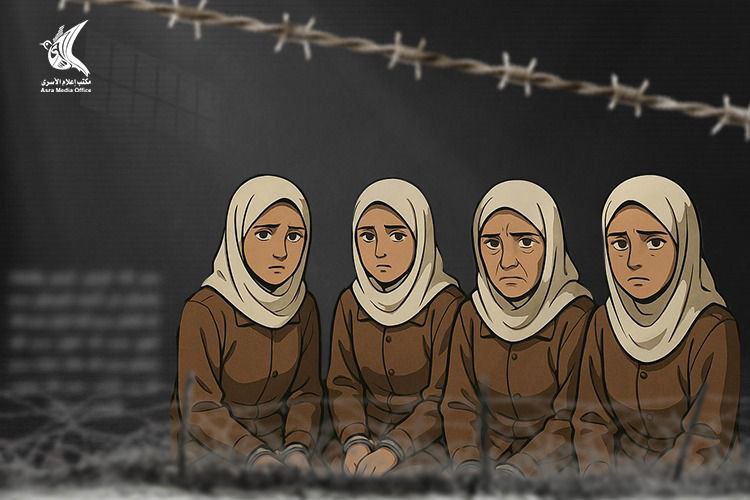
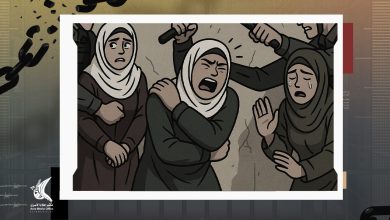
About 79 Palestinian women are held in Damon prison, each one named and identified. Add those in interrogation and detention centers and the total reaches about 84. More than 24 of them are mothers.
Most have families for whom death would have been easier than the arrest itself: the cuffed hands, the blindfold, the children left without a goodbye. Behind the count are minors, university students, and working women. Their absence leaves homes full of questions no one can answer. Children refuse to mark Eid without their mothers. Grandmothers raising grandchildren hear the same plea again and again, that their mothers come home before the holiday.
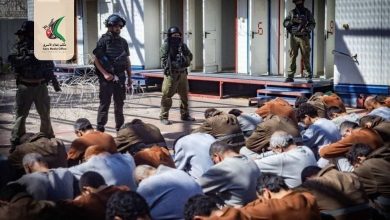
The occupation no longer treats the women any differently from the men. It abuses them all the same. Repression in Damon is routine, and a state of emergency has run there since the war began on October 7, 2023. Families live on the thin news lawyers carry back from their rare visits. They cannot see the women, bring them what they need, or reassure them in person about their children, their studies, and their work.
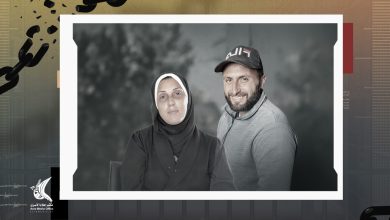
Doaa Ismail al-Battat is 36, from al-Dhahiriya in the Hebron district. Israeli forces arrested her on March 26, 2026, and her five children refuse to celebrate Eid without her. They ask their grandmother questions far beyond their years. They are waiting for her to come home for the holiday, so they will not have to watch other children stand beside their own mothers. They do not know how she is.
Her grandmother says: “Doaa’s youngest child still misses her every day since she was arrested and cries for her daily. All the children prepared for Eid and Eid clothes except Doaa’s children. They refuse to wear new clothes or buy clothes because their mother is in prison. I bought them Eid clothes against their will, but they refuse to take them.”
The family keeps trying to convince the children that Eid can still hold some joy. They are too young to grasp what it means to carry on through pain. The grandmother says: “Every day I convince them that their mother will come, and that when she sees them sad she will be sad too. I told them she will be sad if they don’t live like the other children, rejoice like them, and wear new clothes like them. Her eldest son loves Eid and prepares his gifts early, but this Eid he refuses everything and says: not until my mother is freed.”
The longer she stays in prison, the harder her absence weighs on her children. They ask after her in every small thing. She remains in detention, awaiting a new trial set for June 14, 2026.
Al-Battat is one of the mothers held, and the arrest reaches past them to their children. For these women Eid arrives with the pain doubled, and inside Damon they make what joy they can. The prison administration restricts their prayers and religious practice, and even dictates what they wear. Denied proper prayer clothes, the women stitch their own, patched or whole, from the blankets in their cells. It is a thin scrap of life held up against the jailer’s brutality.
This Eid closes in on the youngest prisoners too. Nada Iyad Bani Odeh is 17. Israeli forces arrested her on February 12, 2026, in Tubas governorate, for one act: she mourned her martyr brother, Wadie Bani Odeh, and eulogized him on social media. Even that grief the occupation would not allow her. She is held under interrogation, dragged through one court hearing after another. At an age when she should be shopping for Eid clothes, she is a prisoner instead.
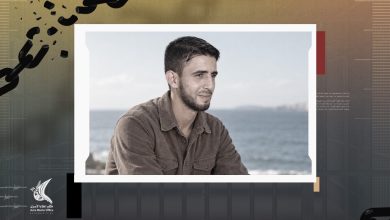
Manar Ibrahim Karaja, 28, from Ramallah, is one of three pregnant women held in Damon. Israeli forces arrested her on April 30, 2026, and she is now on trial. She left behind two children, a boy and a girl. She shares the section with the two other pregnant prisoners, Amina al-Tawil and Dana Jouda. The prison administration does not leave them be. It represses them, and their continued detention denies them the checkups, medicine, and vitamins a pregnant woman needs, above all in the early months.
Her children are Layla, 3, and Ayman, 4. Through the week they pass between their two grandmothers, who hold them close while their mother’s release stays out of reach. They are too young to know what a prison is. Ayman now goes to kindergarten each morning without his mother to get him ready. He is a sharp boy, and he tells everyone, every time, that his mother is in prison. He and Layla miss her and wait for her to come home.
Eid holds the story of two more girls in the same pain. In Dheisheh refugee camp in Bethlehem, Hour Osama Hammad is 5 and lives without either parent. Israeli forces arrested her mother, Islam Abd al-Majid Amarna, 31, on May 3, 2026, and she is still detained. They arrested her father, Osama Hassan Hammad, 32, on July 23, 2023, and he too remains held, awaiting trial.
In Beit Furik, in the Nablus district, an 8-year-old named Iliyaa Musab Mleitat carries the same loss. Her mother, Aseel Abd al-Karim Hammad, 34, has been held since June 3, 2025. Her father, Musab Mleitat, 41, was arrested about three months later. A renewing administrative detention order governs both their lives, and Iliyaa is left to wait.
Until the occupation ends, the story of Hour and Iliyaa will keep repeating across Palestine. The names will change, and the towns, and the sentences, but the pain stays the same. On Eid the two will watch from the window, search every passing face for their mother and father, and try to steal back a little of childhood’s joy.
Shatila Abu Ayyada, 33, has served about 10 years of a 16-year sentence, the longest of any of the women. She comes from Kafr Qasim, inside the territories occupied in 1948, and countless Eids have passed since her arrest on April 3, 2016. The faces in her section have turned over dozens of times. New names arrive in chains and leave for freedom while she stays fixed in place, learning each new set of faces in turn. The other women work to carve out some joy, but for Shatila, for all her patience and faith, Eid is little more than a word. She has been waiting since 2016 to spend one with her family, the way she used to.
The occupation refused to release her in the resistance’s prisoner exchange, for one reason: she comes from inside the 1948 territories.