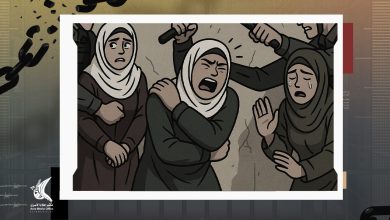
9400 Eids Spent in the Dark
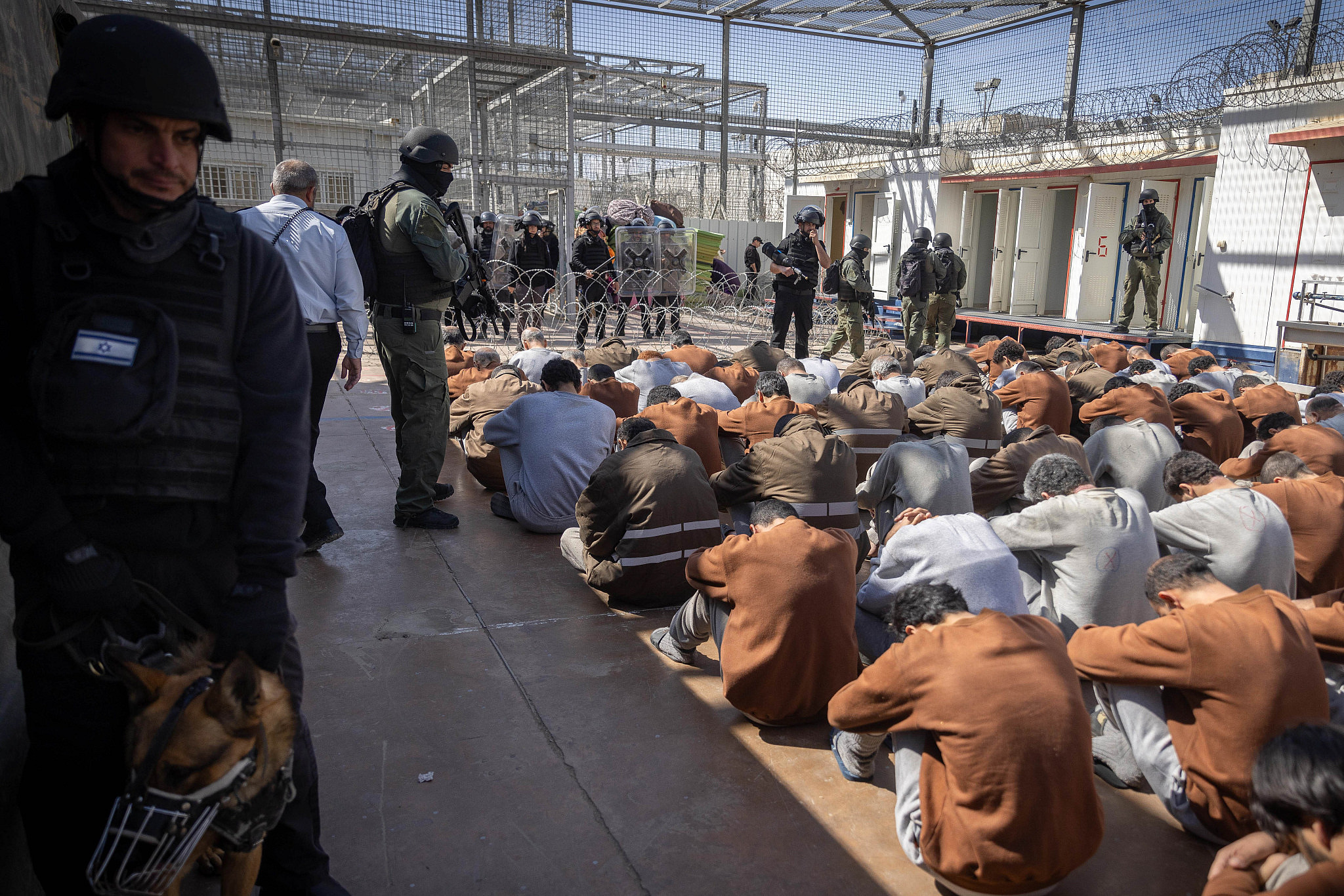
More than 9,400 Palestinians are marking Eid inside Israeli occupation prisons, where the day carries no trace of celebration, only repression, isolation, and a starvation policy that grows harsher by the day. Outside, their families endure the holiday under the weight of war. Inside, it brings nothing but another stretch of deprivation and longing.
Detention by the Numbers
Of the more than 9,400 held, 84 are women, 3,376 are administrative detainees, and 1,283 are people the occupation authorities label “unlawful combatants.” The designation rests on an exceptional legal regime built to entrench arbitrary detention and enforced disappearance.
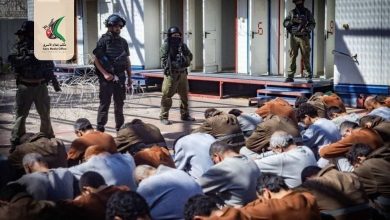
The prisoners are held across more than 20 prisons and detention centers, in conditions that fall below the most basic humanitarian standards. Hundreds are children. They are kept in ways that strip them of their childhood, their right to schooling, and a normal life. Prisoners from Gaza suffer the most, sealed off in total isolation, worse off than anyone else.
Systematic Violations, Stripped Rights
Released detainees and human rights reports describe systematic, grave abuses by the occupation’s prison administration, carried out in open defiance of international law. The Prisoners’ Families Committee says these are deliberate policies meant to humiliate prisoners and strip them of their basic rights.
Prisoners are denied enough clean food. The meals they do get are small and poor in quality, sometimes left for hours in the sun and dust before being handed over, part of a starvation policy meant to break them. Torture begins at the moment of arrest and runs through interrogation: severe beatings, verbal and physical degradation, and the strip searches forced on them whenever they are moved between prisons or about to be released.
A Policy of Slow Killing: Prisoners Martyred Under Torture
Prisoners have been martyred under torture, some during the current war, others across the long years of the occupation.
Rights advocates call torture and deliberate medical neglect a policy of slow killing, a disregard for prisoners’ lives and for the international conventions meant to protect them. The aim, they say, is to make captivity a daily hell and break the will behind a just cause.
Gaza’s Prisoners: “Unlawful Combatants” in Total Isolation, in Breach of International Law
Since October 7, 2023, the occupation authorities have classified prisoners from Gaza as “unlawful combatants,” pushing their treatment into a new phase of cruelty. The label strips them of every protection international law grants prisoners: a fair trial, family visits, and contact with a lawyer or the International Committee of the Red Cross. It also denies them the medical care they need.
Israeli prison authorities officially acknowledge 1,283 detainees from Gaza under this classification, though the real figure is believed to be far higher. The count leaves out hundreds held in temporary military camps and secret interrogation centers. These prisoners have had no contact with their families since the war began, and they cannot appoint lawyers. Deliberate medical neglect has let serious skin diseases such as scabies spread through filthy cells with no medicine. Requests to treat critical cases are refused.
Reports describe the conditions as brutal. Cells are packed and unventilated, and prisoners sleep on the floor without enough blankets or mattresses. The Palestinian Prisoners’ Club calls this a flagrant breach of the Geneva Conventions and a war crime under international law. Many of these men still do not know whether their families have survived the assault on Gaza.
Eid Rituals Gone, Suffering in Their Place
Eid only deepens the loss. Prisoners once carved out a sliver of joy inside the dark cells. They prayed together in cramped yards, passed greetings written on smuggled scraps of paper, and shaped small Eid maamoul from the bits of food they could save.
Now it is just another day in a long captivity, and perhaps the cruelest.
Family visits are banned outright, even for children who long for a parent’s touch. Most prisons forbid the communal Eid prayer and silence the chants of praise. The meals prisoners once prepared for themselves have given way to cold, often spoiled food, left out for hours before it reaches them, a deliberate humiliation. On the morning of Eid, the administration steps up its raids, strip searches, and collective punishments, set on killing any flicker of joy or hope and turning the day into a memory of pain.
Palestinian Women Prisoners: Double Pain, Denied Motherhood
For the women, the pain doubles. Many are mothers cut off from their children for years. Some try to hold on, trading stories of Eids once spent at home, until the memory turns and the tears come: a child growing up without them, a holiday shattered by arrest. The administration bars families from sending in personal photographs, leaving memory as their only refuge.
Targeting Eid: A Psychological War to Break the Will to Endure
None of this is random. The occupation targets Eid because the day stands for everything captivity is meant to erase: family, freedom, and belonging. Emptying it of meaning is part of a longer psychological war, one that tries to strip prisoners even of the right to dream and to long for home.
Through the Pain, Hope Remains
Yet captivity has never killed hope in those who endure. Behind the high walls and iron bars, Palestinian prisoners still make something out of nothing. From scraps they build rituals of resistance, and from their pain, steadfastness. They hold to a belief that freedom and victory are coming. As the saying goes: “In prison, prisoners make their Eid from their tears, and every tear becomes a candle lighting the path of return.”