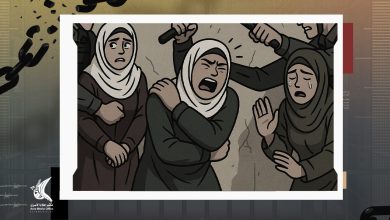
Nine Months of Unpaid Labor: The Punishment Called Public Service
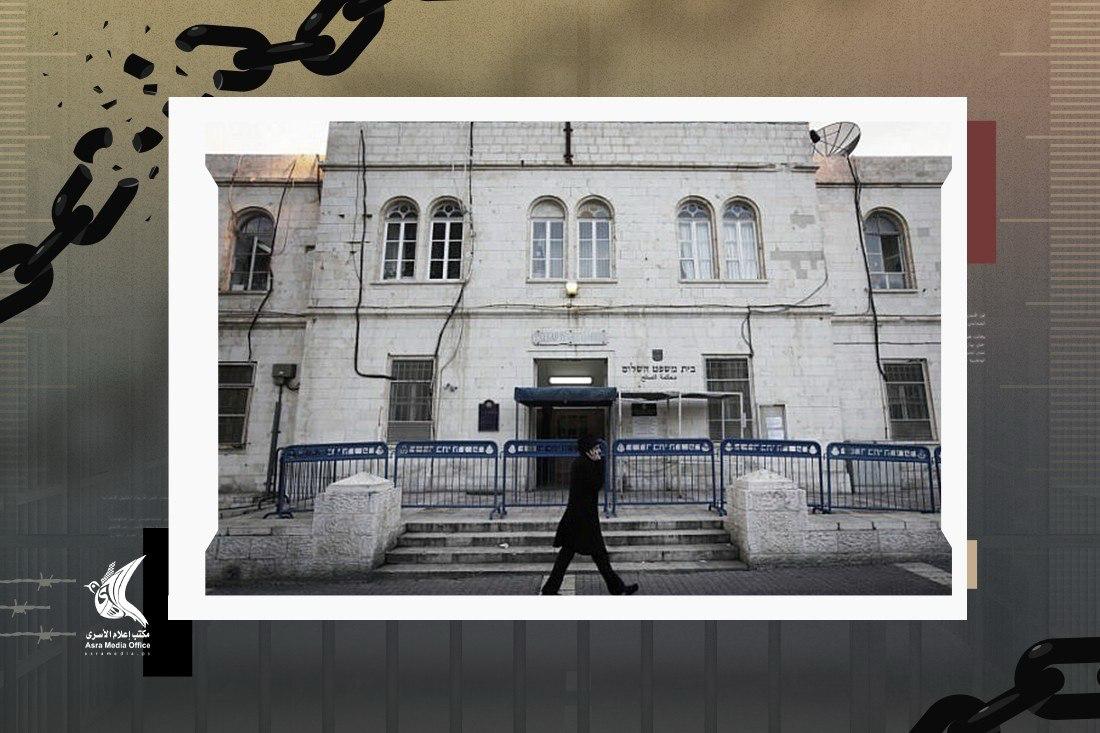
Occupation courts sentenced Sheikh Kamal Khatib and photojournalist Alaa al-Sous within two days of each other. Miss a day of the work and the sentence turns into prison.
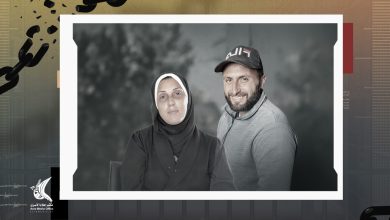
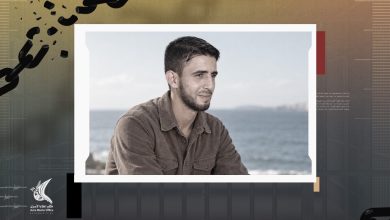
On July 22, 2026, an occupation court in Nazareth sentenced Sheikh Kamal Khatib to nine months of “public service” and added a fine and a suspended prison term. Two days later, an occupation court handed the Jerusalemite photojournalist Alaa al-Sous six months of the same, with a fine and a suspended term of her own. Prosecutors had asked for 30 to 50 months in prison for Khatib and 27 to 34 months for al-Sous.
Neither is going to prison.
The occupation calls the punishment “public service,” and over the past few years its courts have made it a standard part of how they sentence Jerusalemites and Palestinians of the occupied interior. Those convicted work long unpaid hours inside Israeli institutions, in jobs that are hard or demeaning. Some scrub toilets and care for the elderly. Others work the kitchens, laundries, and gardens of occupation institutions. Rights advocates say the punishment has become a tool of humiliation, psychological pressure, and forced labor.
A Prison Outside the Bars
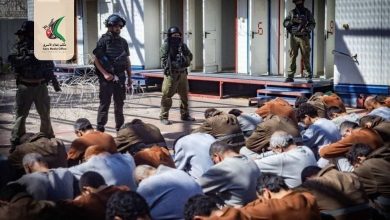
Prison is no longer the only way the occupation punishes Jerusalemites and Palestinians of the occupied interior. House arrest, banishment orders, and repeated summonses have not delivered what it wants. Its courts now hand down “public service” instead of jail in some cases, above all those built on political charges or on “incitement.” In many of them the accused did nothing more than exercise the right to express an opinion.
The sentence is offered as an alternative to prison. It is carried out as humiliation.
How the Sentence Works
A “public service” order can run as long as nine months. The convicted person works about eight hours a day and gets no pay for it. When those hours end, the obligation to feed a family does not.
The work is only half of it. Miss a day and the sentence converts to prison. The rule holds even when the absence is beyond the person’s control. That threat never lifts. Every morning brings the same choice for the Jerusalemite or the Palestinian of the occupied interior: serve the sentence, or be taken to jail.
These sentences fall mostly on activists, journalists, and national figures. The aim is to punish them psychologically, break their morale, and cast them as people who answer to the occupation’s institutions. The punishment drains their livelihoods in the process.
The “Public Service” Detainees
Khatib is deputy head of the Islamic Movement in the occupied interior, and he is known for defending Al-Aqsa Mosque alongside Sheikh Raed Salah. The occupation has escalated its targeting of the movement, banned it, and kept its members in court and under constant pressure.
The court called the charge against al-Sous “incitement,” and the sentence came down over her media work. She is among the journalists who documented the occupation’s violations at Al-Aqsa Mosque, and the occupation had already banished her from the compound. The suspended term hangs over her. It will be enforced if she breaches the conditions.
Arrests and prosecutions have not stopped, and neither have the politically driven sentences.
The two cases show one side of how the occupation uses “public service” against Jerusalemites and Palestinians of the occupied interior. It is no alternative to prison. Wrapped in legal cover, it is a punishment in its own right, built to humiliate, to exhaust, and to keep the pressure on. It lands on activists and on Palestinians who take a national stand, and it is meant to strip them of their status as prisoners of freedom.