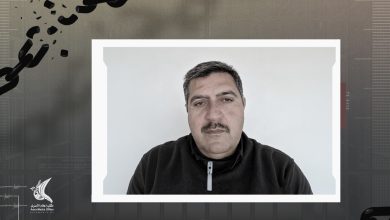
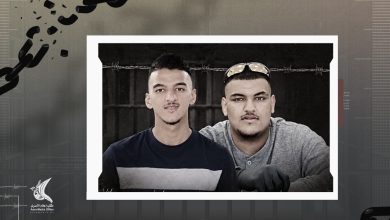
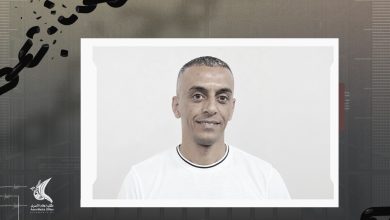
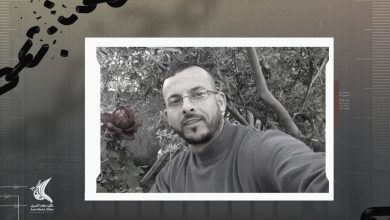
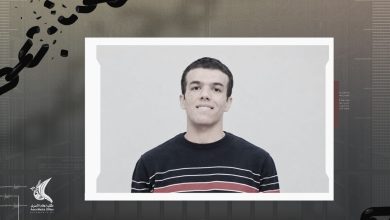
The Word Behind Bars: Nearly 40 Palestinian Journalists Behind Bars on World Press Freedom Day
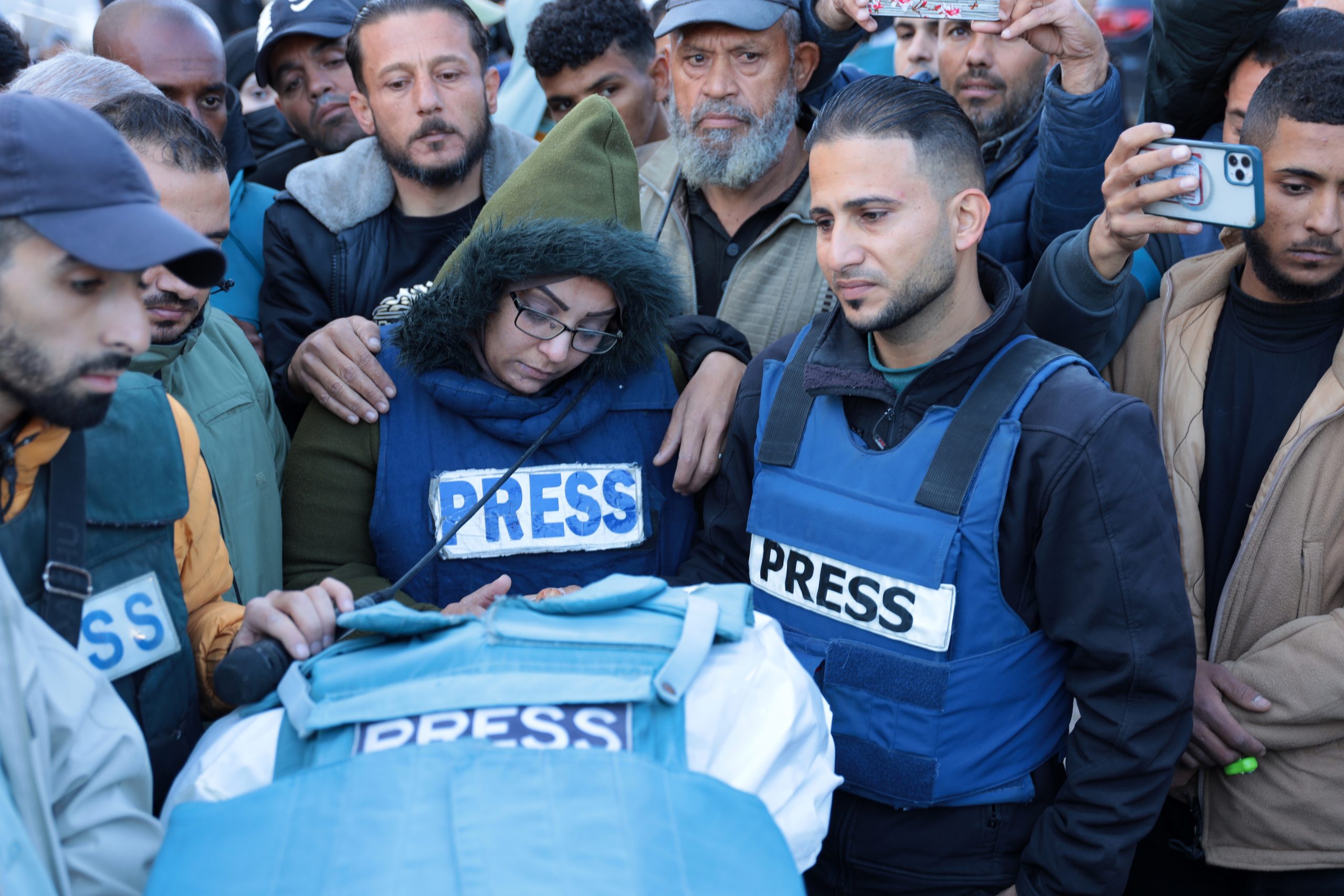
More than 40 Palestinian journalists sit in occupation prisons. Their equipment has been seized. Their work is treated as a crime. Since the war on Gaza began on October 7, 2023, 260 journalists have been killed there; 70 percent were targeted by the occupation for their reporting.
Reporters Without Borders confirmed that press freedom in 2026 has reached its lowest point in 25 years. Palestine is now the deadliest place on earth for media workers. The Freedoms Committee of the Palestinian Journalists’ Syndicate has documented 22 new arrests since January 2026 alone, carried out through home raids, detentions at military checkpoints, and seizures during active reporting.
The arrests extend to female journalists, and no international convention protecting press freedom has been meaningfully enforced. These numbers arrive as the world marks World Press Freedom Day, observed every May 3 since the United Nations established it in 1993.
The detentions are part of a broader campaign to silence dissent. Anyone who posts an opinion on social media risks arrest or public threats. Freedom of expression in Palestine has become theoretical. Even people with no media credentials face detention for attempting any journalistic role. For working journalists at established outlets, the risk is far greater.
Female Journalists in Captivity
Four female journalists are currently imprisoned. Two more live under house arrest, one of the occupation’s methods of suppressing Palestinian press freedom. The detained women face starvation and abuse no different from what other female prisoners endure. Their journalism is treated as criminal activity. They are interrogated for nothing more than practicing their profession.
Farah Ahmad Abu Ayyash, 26, from Beit Ummar in the Hebron district, told prisoners’ lawyer Hassan Abadi she was singled out during her arrest for her journalistic work. Her phone was searched. From the first moments of detention, plastic zip ties were tightened around her wrists until they swelled. Police dogs were set on her, tearing her clothes. She was beaten and forced to kiss the Israeli flag.
All she had done was her job.
Abu Ayyash spent 55 days before being transferred to Damon Prison. She described the al-Moskobiyeh interrogation center as something out of a horror film: an abandoned room crawling with insects, no light, no ventilation. She remains in Damon today.
Bushra Jamal al-Tawil, 32, from Ramallah, was arrested on February 5, 2026, at a military checkpoint. Days later, her file was converted to administrative detention with a four-month order. Al-Tawil had been released from a previous arrest only a short time before. She described Damon Prison then as “a graveyard for the living,” where female prisoners are cut off entirely from the outside world.
Al-Tawil has spent more than five years in occupation prisons across four separate arrests, each time for her journalism. She now faces an open-ended administrative detention order during what prisoner affairs organizations call the worst period in the history of the Palestinian prisoner movement.
House Arrest
Sumaya Jawabreh, a journalist from Nablus and mother of four, has lived under house arrest for more than two years. She was arrested while seven months pregnant, then released under strict conditions: confinement to her home and a financial penalty for any violation. The threat of re-arrest hangs over her and her children. Her legal file remains unclear.
Bayan al-Jubeh, a journalist from Jerusalem, has been under house arrest since February 2025 after being arrested inside al-Aqsa Mosque. She faces a court hearing on May 10, 2026, on charges of incitement through social media.
Released Journalists Speak
Since October 2023, the occupation has arrested more than 220 journalists. Conditions inside, by every available account, are the worst in the prisoner movement’s history.
Ali al-Samoudi, a journalist from Jenin, was released days ago after a full year of administrative detention. He went in weighing 120 kilograms. He came out at 60.
“What prisoners experience inside is real hell,” he says, urging the public not to abandon them.
Samer Khweirah, a journalist from Nablus, was freed earlier this year after nine months in detention. He wept upon release. “The prisoners are forgotten and dead inside those prisons,” he says. What happened after October 7 defies description: beatings, humiliation, starvation. Food became a dream. “One hour inside prison equals thirty years.”
Mohammed Abu Arab, a journalist from Gaza, remains imprisoned. His lawyer Khaled Zbarqeh relayed his words: the occupation treats the journalist as “a field commander, and perhaps more dangerous, because the word exposes them more than bullets.” Abu Arab’s interrogation focused entirely on his coverage of the war on Gaza. His camera, in his interrogators’ eyes, became an “incitement tool.”
Khader Abdel Aal, an editor, says: “The word is confiscated in prisons just as the body is confiscated by detention.” Imprisoned journalists tried to exercise their right to expression from their cells, he says. They wrote on walls. They drew cameras. They invoked the names of colleagues who had been killed.
Editor Ahmad Shqourah says the treatment of imprisoned journalists violates every international law protecting journalists in conflict zones.
An unknown number of Gaza journalists remain in detention and enforced disappearance. No one knows their fate or where they are held. These are journalists who chose their work to tell the world what was happening to their people. International humanitarian law and the Geneva Conventions classify journalists in conflict zones as civilians. They may not be targeted. Their equipment and psychological well-being are supposed to be protected. The occupation has ignored all of it, carrying out indefinite arrests on the basis of secret files and vague pretexts.