Cancer and Detention: The Battle of Two Prisoners, Suheir Zaaqeeq and Fidaa Assaf
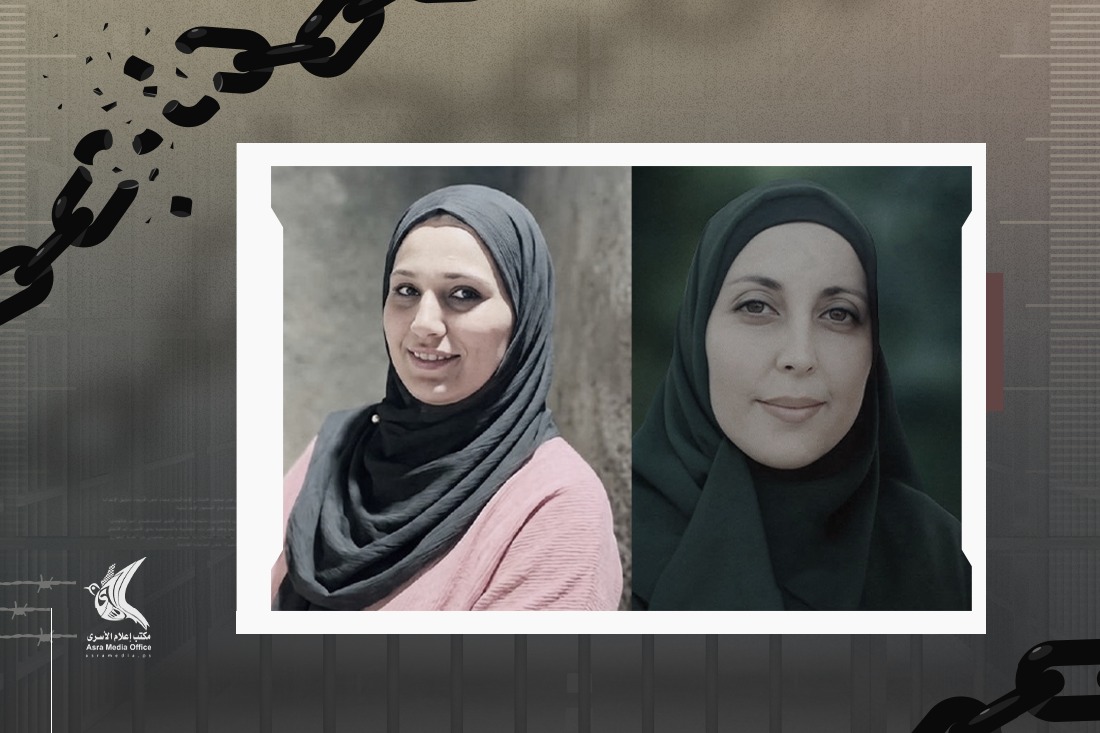
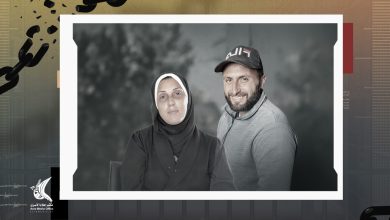
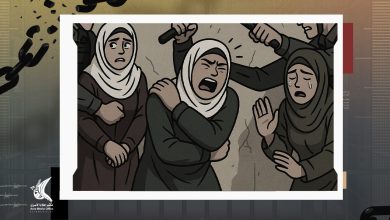
Two women with cancer are held in Damon prison, where guards answer their illness by telling them to drink water. Suheir Hasan Zaaqeeq, 45, and Fidaa Suheil Assaf, 49, get nothing but painkillers for a disease that demands constant monitoring, steady treatment, and specialized care.
They are two of roughly 99 women in Damon. The others live with wasting bodies, malnutrition, and untreated dental pain, all met by the same neglect. Drink water, the guards say, as if it cured everything. If that is the answer for ordinary illness, cancer stands no chance.
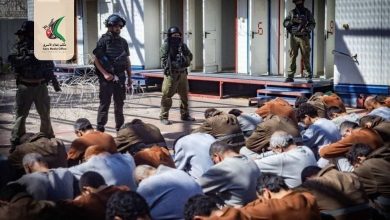
Cancer needs quiet, rest, medication, and regular tests. Damon gives the opposite. Repression, scarce food, overcrowding, too few beds. Both women weaken by the day.
Zaaqeeq comes from Beit Ummar in Hebron governorate. She has fibroid cancer, benign masses, and constant bleeding. Still, her treatment is withheld. She was waiting for a surgery date when the occupation arrested her. The arrest stopped the operation.
Illness is not the only thing hunting her. In early June, the occupation court renewed her administrative detention for a third time, another four months. She has been held since November 18, 2025.
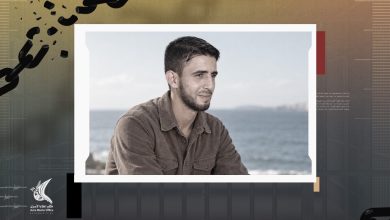
She is a bereaved mother. Her only son, Ibrahim Hamza Zaaqeeq, was martyred by occupation gunfire on July 19, 2024, at the age of 20. Seven daughters wait for her at home.
Occupation forces stormed the house at half past two in the morning and arrested her violently. They moved her between Sharon and Damon prisons. During the transfer, like other women prisoners, she was subjected to a degrading search.
Assaf comes from Kafr Laqif in Qalqilya governorate. She is serving an actual sentence of 22 months and has been held since February 24, 2025. A daughter waits for her return.
Tests over recent months showed a sharp rise in her tumor markers. She needs specialized monitoring. She gets painkillers.
Occupation forces arrested her at a flying military checkpoint as she came home from a hospital in Ramallah, then moved her from Sharon prison to Damon. She had hoped for release given her condition. The occupation authorities sentenced her to actual imprisonment and ignored her illness.
This is the ongoing policy of medical neglect against prisoners. Today administrative detention eats away at Zaaqeeq’s life alongside her illness, while cancer and imprisonment close in on Assaf. Under repression, searches, starvation, and overcrowding, their suffering grows worse by the day. So does the suffering of every woman held inside Damon prison.