Dr. Hossam Abu Safiya: “They Brought Me Here To Kill Me”
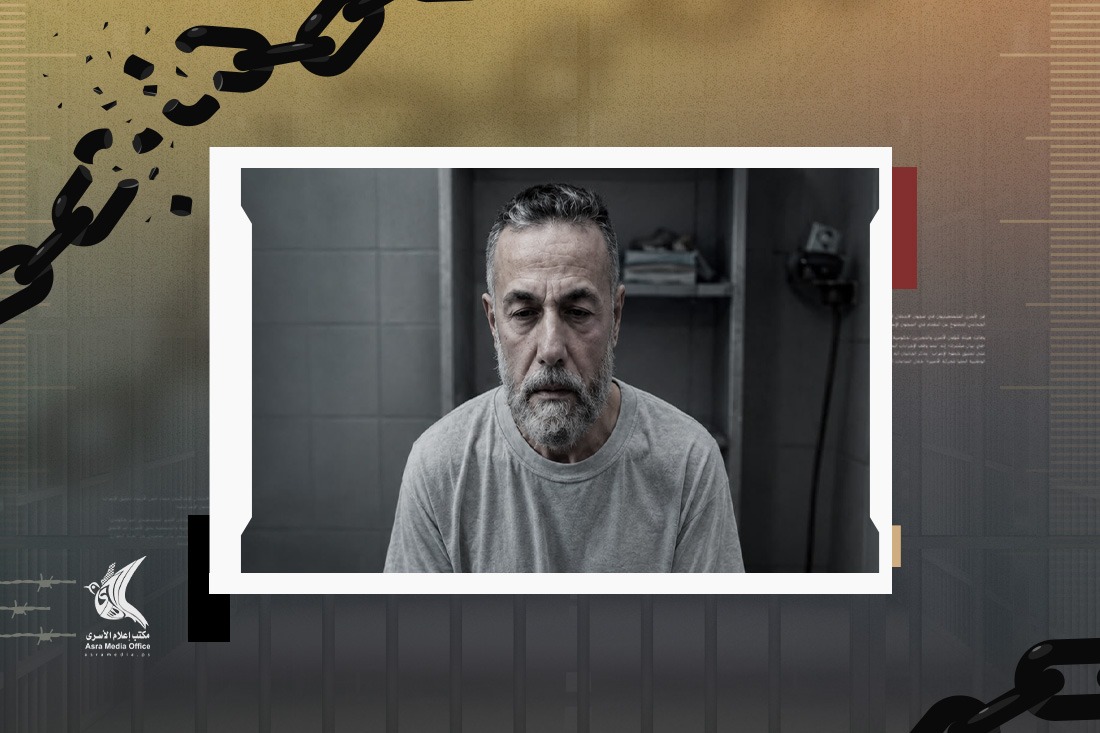
“They brought me here to kill me.”
That was the message Dr. Hossam Abu Safiya sent his lawyer from prison, after months of torture, isolation, starvation, and denial of treatment. “This is the last time you’ll see me. I don’t see myself as alive. This is the end.”
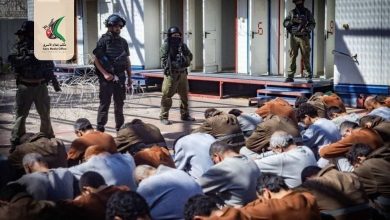
Occupation authorities moved Dr. Abu Safiya to the “Rakevet” section, a transfer the Palestinian Prisoner’s Club and Physicians for Human Rights call a dangerous escalation meant to drain him until he dies behind bars. Few sections carry a name so tied to accounts of brutal torture, abuse, humiliation, and starvation.
His is one of the gravest testimonies to come out of the occupation’s prisons since the war on Gaza began.
The world came to know this doctor as he moved between the wounded and the children inside Kamal Adwan Hospital, refusing to leave his patients until the last moment. Today he fights a different fight, one he wages alone, for his own survival. Human rights testimonies keep confirming that the occupation is stepping up its attempts to kill him in prison.
Lawyer Nasser Odeh described his condition after the most recent visit. Dr. Abu Safiya struggled badly to breathe and to speak. He was too weak to sit upright, kept losing his balance, and more than once seemed about to black out.
The suffering ran deeper. He told the lawyer that soon after his appeal hearing before the Supreme Court, four or five guards stormed his cell and beat him across his whole body with batons and hammers. The beatings have gone on every day since his transfer to Rakevet prison. He lost consciousness several times and got no treatment.
Fear gripped him throughout the visit. He held back from speaking freely, afraid of fresh punishment and revenge from the guards, a measure of the psychological terror he lives under.
None of this surprised his family. There had been many earlier signs of his failing health, above all his first appearance before an occupation court on June 10, 2025, which shocked not only his family but the whole Palestinian people.
The scene looked nothing like the last image people knew of him, when he walked out in his white coat from Kamal Adwan Hospital to hand himself over to occupation forces in December 2024, after insisting on staying beside his patients until the last moment.
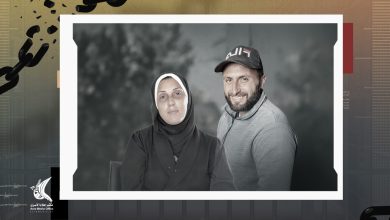
In an earlier report by the Prisoners’ Media Office, his sister Samaher Abu Safiya said that when she saw the photograph she could not recognize her brother, so severe was the change in his features.
“When I saw the picture I was in shock,” she says. “I felt like it wasn’t my brother. Is this my brother, or someone over a hundred years old?”
The marks of torture were clear on his hands. He had lost a great deal of weight, and the exhaustion on his face was painful to see. The photograph, she says, captured everything the family had been hearing from the lawyers for months.
“From the day the lawyer got in touch with Dr. Hossam, not one piece of good news reached us,” she says. “All of it bad, and every time worse than the last.”
Her brother suffers from failing eyesight and severe physical and psychological exhaustion, on top of his continued isolation and denial of treatment. The family lives in constant fear for his life.
During the court session, Dr. Abu Safiya himself said that he suffers sharp pain in his back and neck, problems with his eyes, and skin diseases spreading across his body, along with the denial of medicine and medical care. The latest testimonies say his condition kept worsening after his transfer to Rakevet prison.
Through all of it, Dr. Hossam Abu Safiya remains held without charge or trial under the so-called “unlawful combatant” law, a flagrant violation of international law and the use of the detention system to take revenge on the medical staff who kept doing their humanitarian duty in Gaza.
The Prisoners’ Media Office says what Dr. Abu Safiya faces has gone beyond the violations inflicted on prisoners. It has become a clear attempt to kill him inside the prison through systematic torture, starvation, solitary confinement, and the constant denial of treatment.
The Office stresses that holding him without charge or trial, despite the grave decline in his health, exposes the scale of the targeting of Palestinian medical staff who carried on their humanitarian mission in Gaza. It holds the occupation fully responsible for his life and safety.
The Office calls on the International Committee of the Red Cross, the United Nations, the World Health Organization, and every international human rights body to act at once to save his life, to press for his release, and to open an independent international investigation into the crimes committed against prisoners inside the occupation’s prisons, holding those responsible to account, before the case of Dr. Hossam Abu Safiya joins the register of martyrs of the prisoners’ movement.
Between the doctor who once walked out in his white coat to save the lives of children under bombardment, and the doctor who now pleads from his cell to save his own life, the world stands witness to one of the ugliest forms of targeting Palestinian medical staff. Every day Dr. Hossam Abu Safiya spends inside is a new fight against torture, starvation, and medical neglect, while the chances of saving him shrink as the international silence goes on.
The question forces itself. Is the world waiting for the announcement of the doctor’s martyrdom, the doctor who gave his life to saving others, before it moves? Or is the life of Hossam Abu Safiya worth saving before it is too late?