Osama al-Jabari: A Teenager in Administrative Detention, Sick Behind Bars
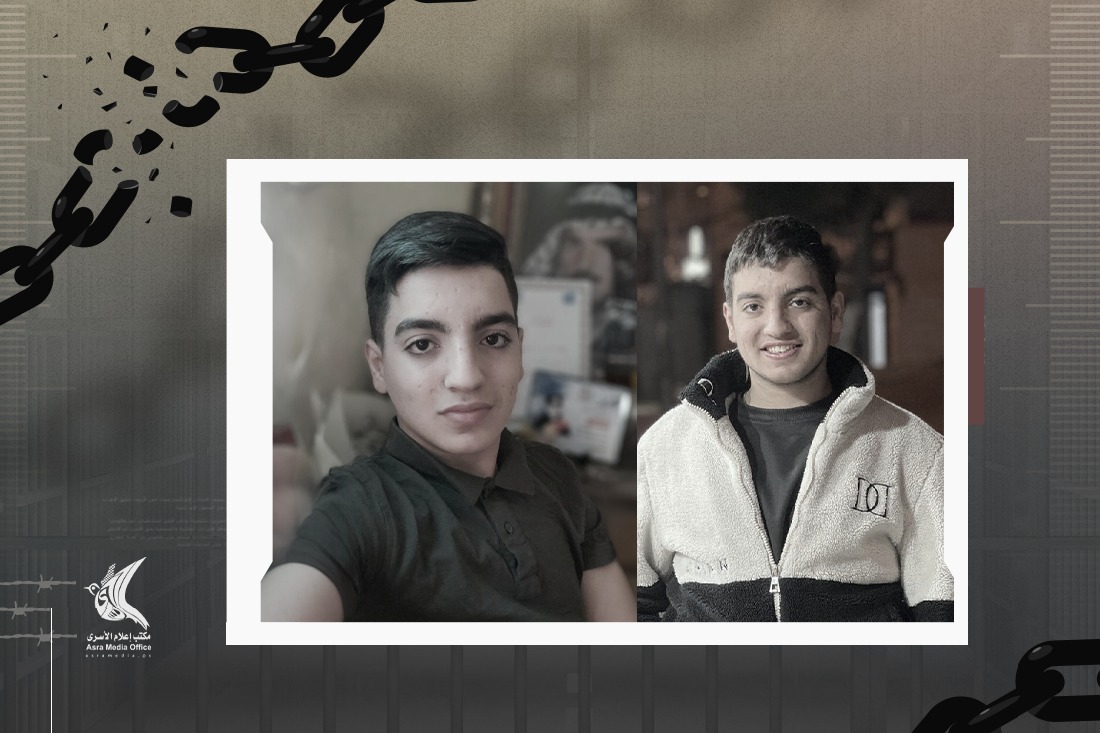
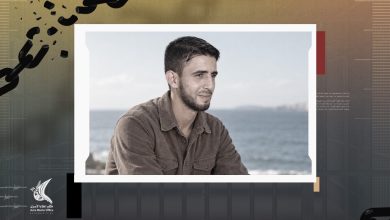
Osama Mohammed al-Jabari was 17 when he was held in the juvenile wing of Megiddo prison. The boy from Hebron learned there, for the first time, what detention meant. He learned what a detention renewal hearing was, what administrative detention was, and why it became an open file with no end date. He learned why he was cut off from his family, why their visits were denied, and why he sat behind bars instead of at a school desk.
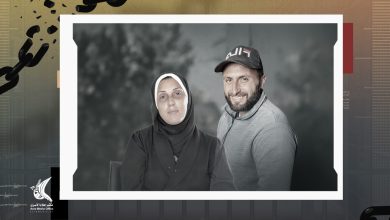
His mother had no idea that the night of April 6, 2026, would be the last her firstborn spent at home. She treated it as an ordinary night. They talked about his dreams, and she asked him to sleep early, because the two of them planned to visit his sick grandmother the next morning.
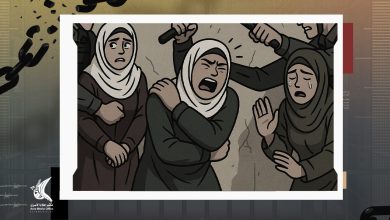
Osama went to sleep around midnight. His mother followed an hour later. At two in the morning she woke in terror to pounding on the front door. She opened it, and occupation soldiers stormed the house. They gave her no chance to take in what was happening. They went straight to Osama’s room, tore off his blanket, and dragged him from his bed before he was fully awake. Then they pushed his mother into the room, demanded his ID and a jacket, and told him to say goodbye to her. The shock left him unable to speak. They led him away under arrest at dawn on April 7, 2026.
Only after the arrest did the family learn how little time the grandmother had. She had advanced cancer. She died two months after Osama was taken, without seeing her grandson again. As the soldiers took him, he did not know that the visit he had planned would never happen.
The family asked the lawyer to tell Osama, at their first meeting, that his grandmother’s condition was critical, though she had already died, to prepare him for the news. At the next visit, the lawyer told him she had died.
When the first administrative detention order was issued against Osama, the family thought it would be the last. It was renewed three times. His latest order expires on August 4, 2026, and the family does not know whether that will be the end or whether his ordeal will start over.
The family says: “The days when Osama was moved to administrative detention were among the hardest we have been through, full of bitterness and grief, but we endure his absence and wait for his return, to live his normal life and go back to school.”
Osama is his family’s eldest son. His mother was waiting for the day he would finish secondary school. He was supposed to take his final exams this year at his school in Hebron. The arrest shattered those plans. She says: “What matters is that Osama comes out free. Everything else can be made up for.”
When she is asked how heavily these days weigh on her, the tears nearly come before the words. “Osama is a student in the Sharia track, and we dreamed of him becoming a judge. He was getting ready to travel to Qatar after his final exams to study Sharia law, but all those dreams stopped in an instant.”
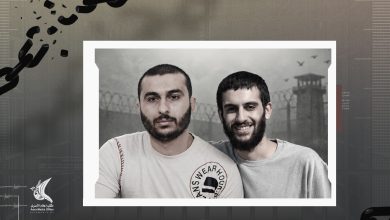
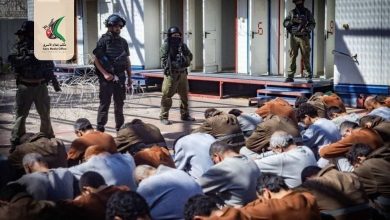
The nights do not pass easily. News of her son has been all but cut off, with the state of emergency still in force and families barred from visiting their sons in prison. She does not know whether he has lost weight, or what he looks like after months of detention and starvation. All that has reached her, through freed prisoners from the juvenile wing at Megiddo, is that Osama caught scabies, was placed in medical isolation, and remains patient and steadfast.