Custody Without Oversight: A Gaza Journalist’s Testimony From Sde Teiman and Naqab
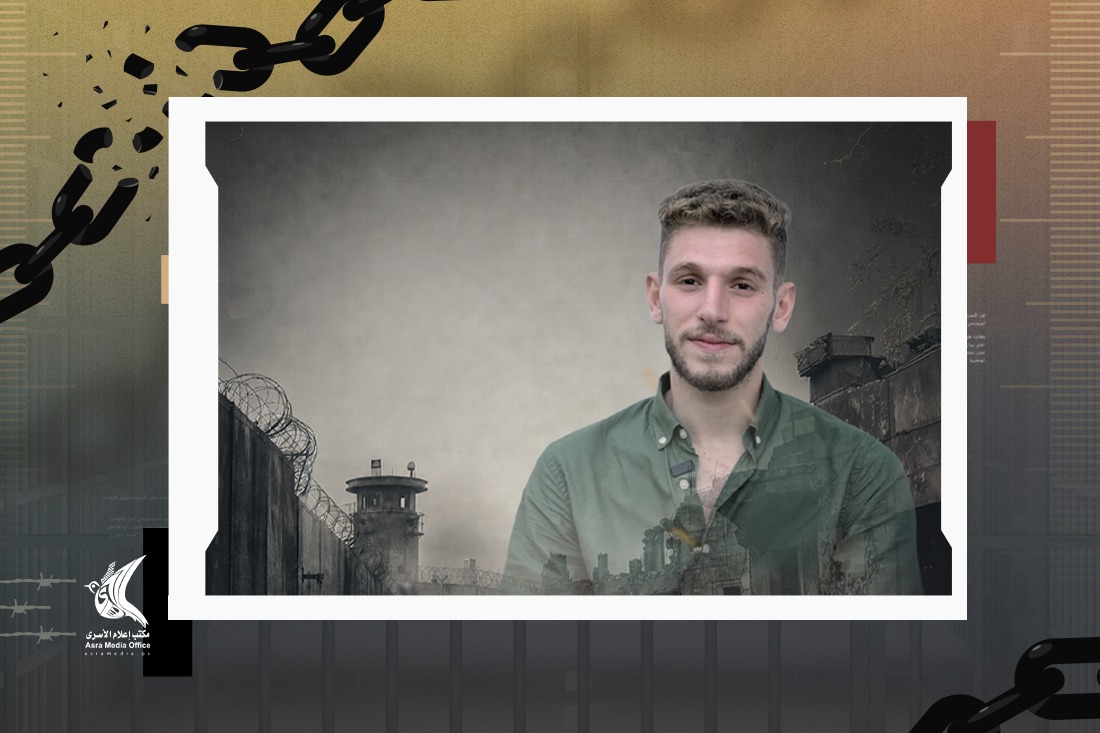
Journalist Mohammed Obeid recounts torture in occupation prisons: “Naqab is Guantanamo”
Arrested at al-Shifa Medical Complex, taken to Netzarim, and later held in Naqab (Negev) prison, journalist Mohammed Obeid describes beatings, interrogation, and bitter cold. He saw prisoners worn down by torture and others who lost their minds. He himself was left without even the most basic protection or rights.
Prisoners martyred by beatings. Young men who lost their minds under what was done to them. Elderly detainees behind bars. Journalist Mohammed Obeid says these scenes from Israeli occupation prisons have never left him. To him, they capture the scale of what the prisoners suffered. The reality inside, he says, went beyond what any human being can endure.
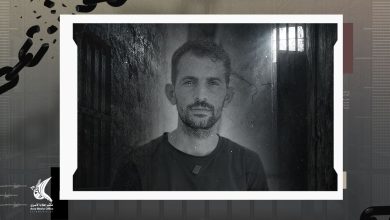
“This is journalist Mohammed Obeid,” his testimony begins. “They arrested me at al-Shifa Medical Complex on November 14, 2023, at the start of the aggression.”
Until that day, Obeid had been reporting from the Gaza Strip. He had no idea that walking out of al-Shifa would lead to interrogation and beatings. Nor that the suffering he would witness behind bars would be worse than anything a person could picture.
Soldiers were ordering everyone at the complex to come out and walk in front of the cameras. As Obeid walked, one of them called out: “You in the white pants, stop.” He stopped and pointed at himself. The soldier made sure he had the right man: “Yeah, you’re the journalist Mohammed Obeid. Come here.”
His detention began there.
Soldiers took him to the Netzarim military post. There, he says, he was beaten first and then put through a preliminary interrogation. Israeli forces later moved him to Sde Teiman prison, where conditions defied description.
“The prison is tragic. Tragic. Truly tragic,” Obeid says. “No one can imagine the atrocities and the crimes that happen in the prisons. Every kind of pain. I swear to God, there’s nothing you could imagine in the prisons that I didn’t see.”
By his account, the torture came on top of harsh living conditions, especially in winter, when the cold became one more burden on bodies already worn down by detention.
Naqab prison is bitterly cold.
Sometimes, he says, prisoners spent three days sleeping on the ground after their blankets got wet. With nothing else to keep them warm, they had to spread the blankets on the dirty ground and wait for them to dry. Details like these may sound small. In Obeid’s telling, they show how hard life is inside, where a dry blanket, or a spot that keeps the body off the cold ground, becomes part of the fight to stay alive.
Obeid believes being a journalist made his interrogation harsher. He was never given a lawyer. He had no contact with any human rights group during his detention. What happened to him, he says, was closer to a kidnapping than an arrest that respects rights and legal safeguards.
The Red Cross never once showed up while he was in custody. As far as he could tell, in each prison he passed through, prisoners had no rights at all, not even the minimum protections detainees are entitled to.
Obeid lived through detention as a journalist, and his questions reach beyond his own story. Who protects the prisoners in these conditions? Who is keeping track of what happens to them? And how can anyone stop what he calls violations of their bodies, their dignity, and their right to life?
Obeid closes his testimony with an appeal to human rights and humanitarian organizations, and to anyone who can make the world hear the prisoners.
“My final message: Stand with the prisoners. The situation in the prisons is tragic. Naqab prison is Guantanamo… Save the prisoners.”
It is a short appeal. Behind it lie the beatings and the cold, scenes Obeid says he will never forget, and the voices of prisoners who cannot tell their own stories. His closing line, “Save the prisoners,” makes the suffering of those still locked in their cells the world’s responsibility.