Witness Turned Detainee: Journalistic Identity and Interrogation in the Testimony of Osama Dabour
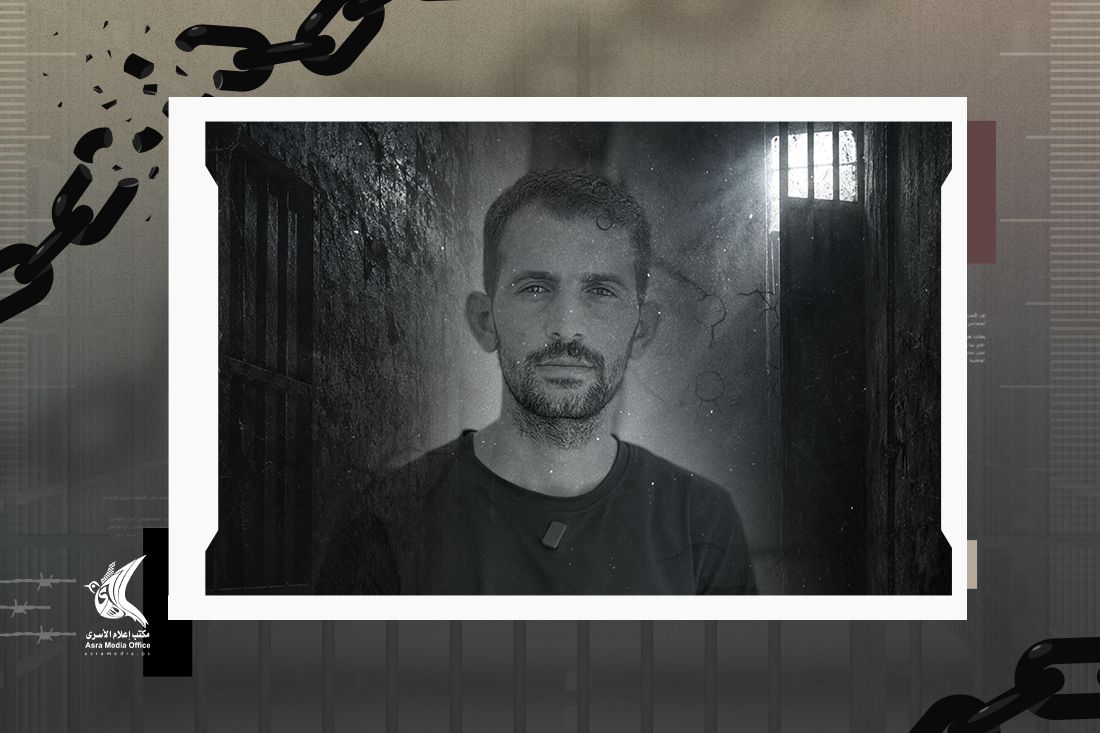
Palestinian journalist Osama Dabour was working inside Kamal Adwan Hospital on December 11, 2023, when he was detained. He would spend the next two years in detention.
The war was entering its third month. The hospital was supposed to be a refuge for its patients and the people who worked there. Dabour was on the job, he says, wearing his press uniform and carrying his equipment. Others inside the hospital were detained with him.
From the first moment, he says, their treatment had nothing to do with whether they were civilians, journalists, or patients. They were dragged, rounded up, and stripped of their clothes, then left in the cold and rain. The scene stayed with him long after he left prison.
From Behind the Camera to Inside the Frame
Dabour counts those hours among the hardest of his life. The detainees were beaten and insulted, and his interrogation centered on his journalism and his presence in the hospital.
The questions went far beyond his name and where he worked. His interrogators wanted to know what he knew about the hospital, the wounded, and the medical staff. They wanted to know where those people were. And they asked what kind of reporting he did.
His work as a journalist hung over every stage of the interrogation, he says, and it showed in how he was treated. He had spent the war behind a camera, trying to show people what he saw. Now he was inside the frame, without his camera, made to explain everything he had documented and witnessed.
Cold and Beatings: The Hardest Start
From there, the detainees were moved to other sites under extremely harsh conditions, Dabour says. Doctors, teachers, and photographers were among them, and so were sheikhs and the elderly.
One man, he says, was over 60. The point was clear: a detainee’s age or profession made no difference. The suffering reached everyone.
That stretch, he says, was one unbroken chain of beatings, insults, and interrogation. Cold, too. And fear. Through it all, the detainees were moved from place to place with no idea what was waiting at the next stop.
Sde Teiman: “A Cemetery, Not a Prison”
Then came Sde Teiman.
It seems to be the place most deeply lodged in his memory. Dabour does not talk about it as a prison in any ordinary sense: “Sde Teiman, for us, was more like a cemetery, not a prison.”
Detainees had to eat, sleep, and sit in the same spot, he says. Movement and talking were tightly restricted. They were allowed one trip to the toilet a day. Water was scarce, and the food was bad.
In his telling, the suffering lay less in any single detail than in how it built up, day after day. The closed space, the deprivation, the fear, the loss of any sense of time. Detention began to feel like a life on hold, with no way of knowing when it would end.
From Sde Teiman to the Naqab
Dabour was next moved to Naqab prison, where he says he was held in rooms, tents, and cages. He also spent time in solitary confinement.
When his detention began, winter meant cold, rain, and detainees stripped of their clothes. Summer brought its own suffering, especially in the tents. Conditions inside were grueling, he says. The tents were kept shut, and the heat and overcrowding made daily life harsher still. The detainees spent their time waiting for news from outside, or for any sign that might ease their minds.
Two Years of Waiting
All the while, Dabour kept thinking about his family, the families of the other prisoners, and the news from Gaza. The detainees tried to find out what was happening outside and followed whatever news of their families reached them. Their families, too, lived with the waiting and the worry.
As the months went by, his own release was no longer his only question. He also asked what would happen to those left behind the locked doors after him.
He Walked Free. Others Remain Behind Bars.
Now that he is out, Dabour does not treat his experience as a chapter that closed when his detention ended. He carries it as testimony about those still in prison. The prisoners’ cause has to stay in view, he says. It must not disappear behind news of the war as it unfolds, because every prisoner has a story, has suffered, and has a family waiting.
“We got out, thank God, but our brothers and our prisoners are still in the prisons.”
The line captures the starkest contrast in his testimony. He has his freedom back. Others are still waiting for theirs.
“A Prisoner May Die, and the News May Not Reach the Media”
Dabour ends with a fear that some prisoners are dying inside without word ever reaching the media. “I am certain that there is a prisoner dying inside the prisons, and perhaps the news of his death doesn’t come out to the media.”
With that, his testimony turns from one man’s story into an outcry on behalf of the prisoners who remain in detention. He was used to standing behind the camera, recording other people’s pain. This time, he came out carrying a story he had lived himself. Behind him he left faces, names, and comrades whose fate is still in limbo.
A Testimony That Did Not End at the Prison Gate
Two years separate Osama Dabour’s arrest inside Kamal Adwan Hospital from the day he walked free. In between, by his account, came the cold, the beatings, and the interrogations. He was moved from one detention site to the next and held in conditions he says were closer to a cemetery than a prison.
But when he stepped back outside, he brought more than the memory of detention. He carried a constant worry for the prisoners who have not come home yet, and a message he wants the world to hear.
Leaving prison may end the ordeal. For those left behind, it is not over yet.