Winter Behind Bars: Cold Becomes a Tool of Torture Against Palestinian Prisoners
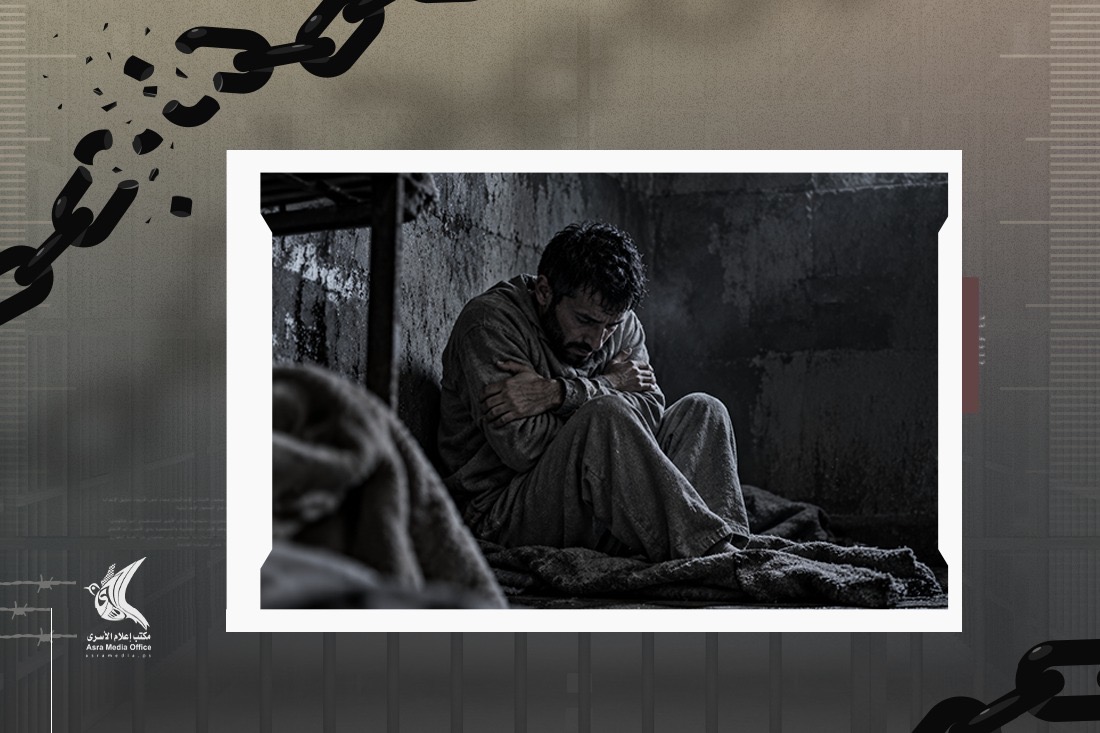
Palestinian prisoners in Israeli jails are heading into winter in damp cells, short of clothes and blankets. Released prisoners say the prison authorities make conditions harsh on purpose, opening windows so cold air seeps into the wings and the winter months become even harder to bear.
In his book Welcome to Hell: Palestinian Prisoners After the Al-Aqsa Flood, the writer and editor Thamer Sabaaneh describes how the Israel Prison Service has turned winter into a means of punishment.
“The Prison Service, it seems, translated the decisions of Ben-Gvir and the Israeli government into inventive ways to mistreat the prisoners and lord it over them,” he writes. “And so, in prison after prison, the jailers took the glass out of the cell windows so the cold air would creep in. They confiscated warm clothing and cut the number of blankets available to prisoners. Often there was no blanket at all, and the prisoner was left with no protection from the bitter cold that swept through the cells during the winter months.”
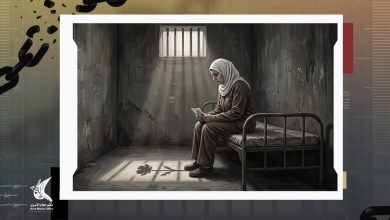
Inside, winter is about as hard as it gets. The walls are damp, the beds are metal, and at night the cold cuts to the bone. Cells are so overcrowded that some prisoners sleep on the floor, under cold ceilings and between cold walls.
Winter clothes and blankets are in very short supply. As the coldest weeks of the year approach, prisoners’ families wait and worry. They can no longer bring clothes to their sons, because visits stopped or became impossible after October 7, 2023, and many have not managed to get new clothes to them for years. Prisoners face winter in threadbare clothing that cannot keep out the cold. They have also been stripped of the basics: their belongings, their clothes, and anything else that might help them stay warm.
The blankets carry a danger of their own. Worn out and passed from one prisoner to the next, they raise the risk of infection, especially among prisoners with scabies, which has recently spread through the prisons.
That leaves a prisoner with no good choice. He can face the bitter cold without enough protection, or wrap himself in whatever blankets and clothes are at hand and put his health at greater risk.
The Israeli prison authorities claim that clothing and medicine are available inside the prisons.
Released prisoners tell a different story. What exists, they say, falls far short of what is needed. Supplies are nowhere near enough for so many prisoners, and the clothes handed out are often secondhand and worn thin. Medical care is plainly lacking.
The cold follows prisoners beyond their cells. Transfers between prisons expose them to it, especially in cold desert areas where prisons such as Naqab (Negev) and Ganot sit. So do long waits during transfers, outside prison clinics, and during lawyer visits, all amid harsh conditions and degrading treatment.
Too little food, and bad food at that. The diet robs prisoners’ bodies of the energy they need to fight off the cold, and it comes when they are already in poor health and living with multiple illnesses.
The genocidal war on the Gaza Strip has made prison life harsher still. Abuse has grown worse, and stripping prisoners of their belongings and everyday necessities has become a policy of pressure and collective punishment. With winter here, the fear is that the cold, the lack of clothes and blankets, and the continuing spread of skin diseases will take a further toll on prisoners’ health.
For bodies already worn down by detention and injury, winter brings a new fight against the cold, disease, and a policy of abuse, waged under restrictions that still strip prisoners of life’s most basic necessities.
This is why families dread winter. The Prisoners’ Media Office spoke with several of them about their fears for their sons as these policies continue.
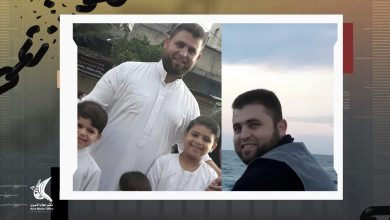
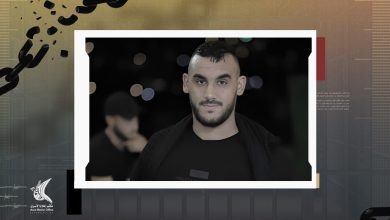
One mother has three sons behind bars: Nour Salameh, Munir Salameh, and Fidaa Salameh, all from Jenin refugee camp. All three are awaiting trial. Nour and Munir have been held since November 9, 2023, and Fidaa since April 20, 2026.
“Given the harsh conditions prisoners are living in inside the prisons, with no means of heating, too few blankets and clothes, and rooms lacking even the most basic necessities of life, I fear for my sons the way every mother fears for her sons in prison,” she says.
“I carry the worry of three of my sons in prison. Munir has an injury in his left foot and a reconnected artery. Nour has an injury in his shoulder. Fidaa was assaulted during his arrest, and I fear for him too. Everyone knows that injured parts of the body need warmth, and winter makes things harder because the basics of life are missing.”
In Gaza, families know the cold all too well.
Abdullah Hamdan al-Manaya’a has been held since December 19, 2021. His family says:
“Abdullah has an old injury, torn tendons in his foot, and he needed to use medical braces. In the cold and in winter, if his foot was exposed to the cold, the pain would take over his whole body. So how is he coping with the prison cold, through the years of war that have passed and the winter that is coming?”
Kamal Jouri was arrested in 2023 and sentenced to life in prison. His mother, who has never stopped taking part in events held by prisoners’ families, knows exactly what winter means for prisoners, and for Kamal in particular.
“Our fear for our children in prison is great, especially because Kamal is injured and I know nothing about him,” she says. “When winter comes, the suffering grows and so does our fear for our prisoners. We families have lost hope in appealing to the world. All we have left is to pray to God to end our prisoners’ suffering and set them free.”
Ganot is one of the coldest prisons. Salem Ali Zeidat, from Hebron, spends his days there waiting for his next court hearing. His family says:
“The days that pass without our father can’t be described. Our biggest fear is for his health. He has a gallstone and constant toothache, and medical neglect in the prisons has made his condition worse. The Prison Service also blocks the treatment he needs. With winter coming, our fear for him is many times greater, with the shortage of clothes and blankets, the bitter cold in these areas, and so little food.”
“We pray that God gives our hearts patience and keeps our prisoners’ hearts steadfast, and that He relieves our hardship and theirs.”
Ahmad Mohammad Zeidat, another Hebron prisoner held in Ganot, was arrested in 2024 and sentenced to life in prison. His family fears his health will get worse as winter sets in.
“Ahmad suffers from migraine, which he developed recently, and the prison administration deliberately keeps the light on above the prisoners’ heads, which is hurting his health,” his family says. “We are demanding treatment for him amid all this pain.”
Ahmad is one of dozens of prisoners whose families have had no chance to get warm clothes to them. For years he has faced winter with only a few worn-out clothes. So have large numbers of prisoners, who begin the cold season in cells where conditions are harsh and basic necessities are missing, as disease spreads around them.
In prison, the cold is a daily ordeal that wears on the body and deepens the pain. Behind those walls, their needs unmet, prisoners head into winter.
How much longer will these conditions deny prisoners their most basic human rights?