For Prisoners From Gaza, a Finished Sentence Does Not Guarantee Freedom
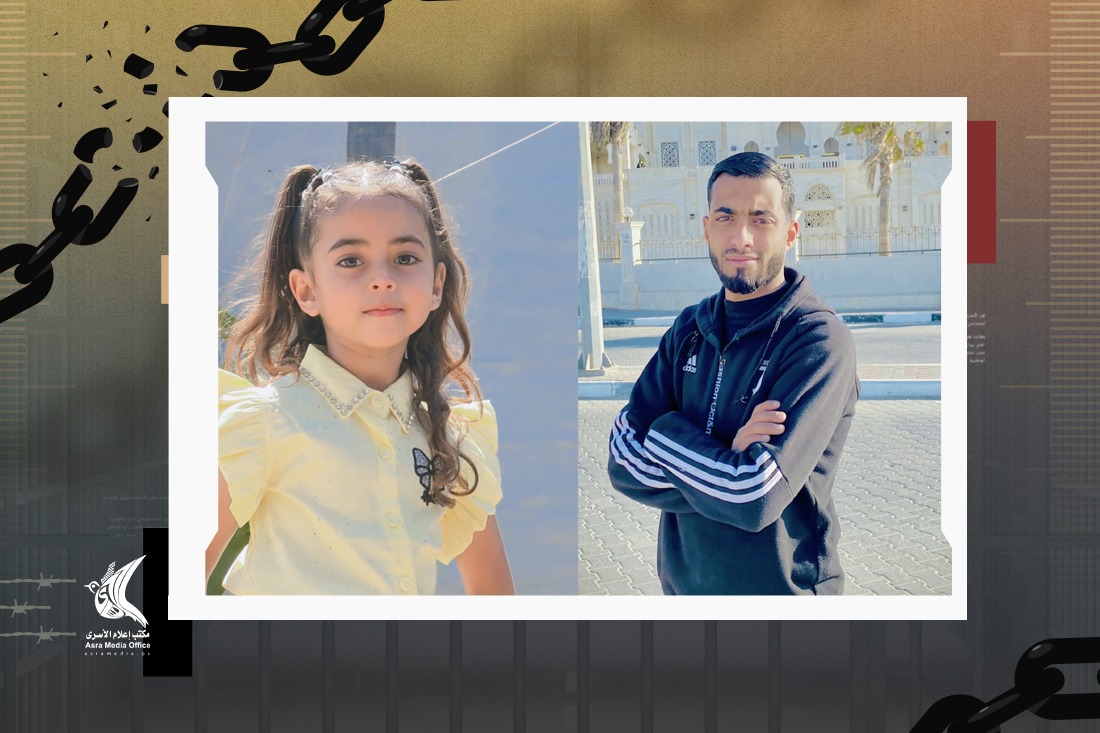
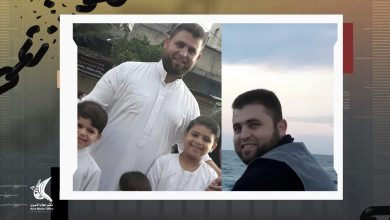
Abdullah Hamdan Muhareb al-Manaya’a, 28, has spent five straight years in detention. His sentence ends in two months.
His family in the Gaza Strip is counting the days. But for the families of Gaza’s prisoners, the wait is a nightmare twice over. The occupation has been holding prisoners who have served their full sentences and transferring them to administrative detention. It is revenge on the prisoners and their families, and a way to drag out their suffering behind bars.
His only daughter, Malak, is now in first grade. She was still taking her first steps, holding on to her parents’ hands, when the occupation stole five years from her and her father. He has been shut out of her childhood ever since. She knows him only from photos, memories, and the stories she hears about him.
Abdullah was arrested on December 19, 2021, in the border fence area, about a year after the Great March of Return protests. He was sentenced to five years in prison. When the genocidal war on the Gaza Strip broke out, his family lost all contact with him.
Speaking to the Prisoners’ Media Office, his family said:
“We were in touch with Abdullah one day before the war, and since that day we’ve had no word from him. All we know is that he might be in Nafha prison. Some prisoners who get out of there reassure us that he’s fine. But none of our news reaches him, nothing about how we’re doing, and he doesn’t know anything about us either.”
Torn tendons from an old foot injury forced Abdullah to wear medical braces at all times. Whenever the temperature dropped, the pain would get worse until the cold spread through his whole body. His family now worries about how he is getting through the cold in prison, especially given the years of war and the harsh detention conditions that came with them.
Before his arrest, he also suffered a second foot injury that left him with a limp. The family still does not know what that injury involves, how much it has affected his health, or whether he is getting any medical treatment to ease his pain.
He had hoped to finish high school from inside prison, but the war took even that right from him.
His wife had lived with him for only two years before his arrest. Then the occupation took him from her and cost him the chance to watch Malak grow up. She needed him most during the war, especially after losing her father and her brother. The occupation denied her that support too.
Her life, she says, is a daily battle to survive. From a displacement tent, she provides for herself and her daughter in grueling conditions, carrying the psychological and social damage the war left behind. It still weighs on her today.
Every day, the family returns to the same question: will this torment end, and will father and daughter be together again?