Life Imprisonment After Prolonged Military Proceedings: The Case of Nazmi Abu Bakr
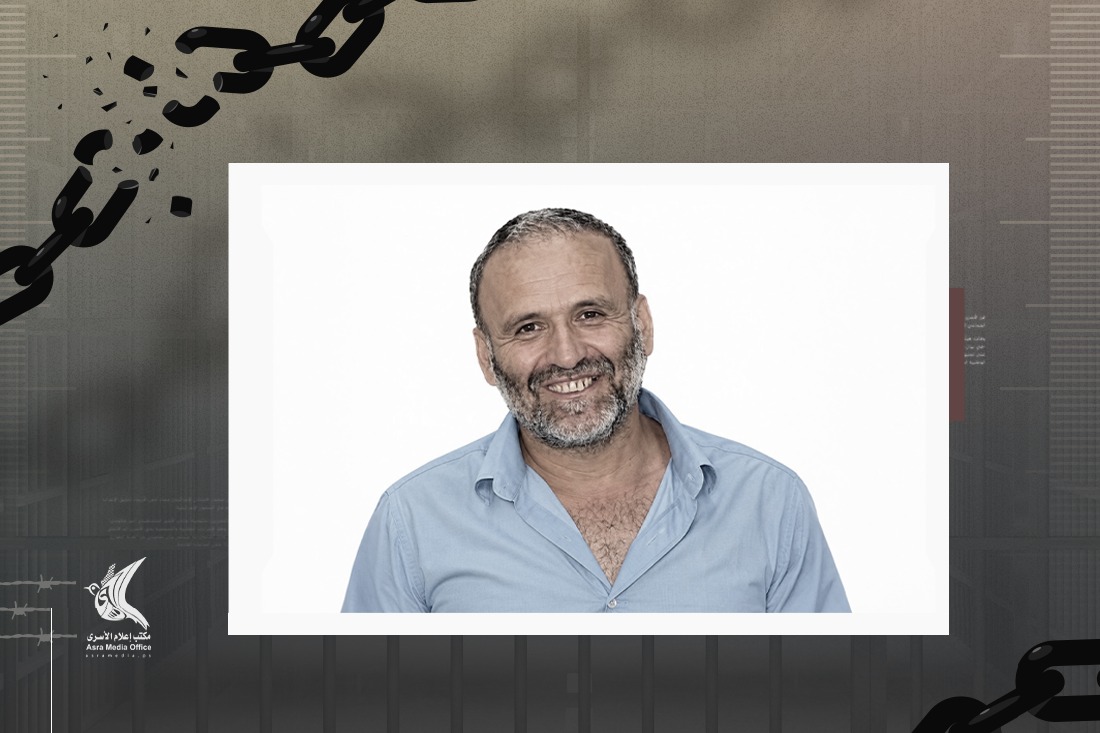
An Israeli occupation court has sentenced Palestinian prisoner Nazmi Mohammad Younis Abu Bakr to life in prison and ordered him to pay 4.5 million shekels in compensation. The verdict came after more than 85 court sessions and six years of detention, interrogation, and solitary confinement.
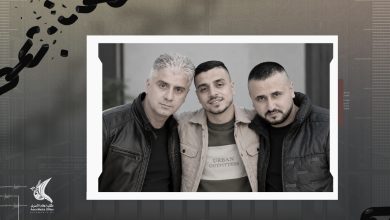
Abu Bakr, 55, is from the town of Ya’bad, west of Jenin. He is the father of eight children. For years, they waited for the trial to end and bring their father home. What they face now is harder still.
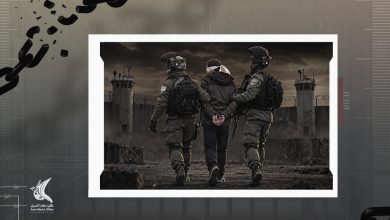
Occupation forces arrested him on May 12, 2020, and accused him of throwing a stone that killed an Israeli soldier during a raid on Ya’bad.
He has denied the charge ever since. From his first days in custody, he faced harsh interrogation, torture, and ill-treatment at the al-Jalama detention center. Israeli authorities held him in solitary confinement and barred him from seeing his lawyer during the first stage of interrogation.
Six Years in Court
His defense team spent years trying to prove his innocence, arguing that the case file contained fundamental gaps and contradictions.
The case dragged on through repeated hearings and legal arguments. In all, the court held more than 85 sessions and heard more than 140 testimonies and statements. The occupation court first convicted him of intentional killing. At sentencing, the military prosecution demanded life in prison and compensation running into millions of shekels.
His family expected the final verdict on July 20, 2026. The court postponed the hearing. When it finally ruled, it handed down a life sentence and ordered 4.5 million shekels in compensation.
A sentence that takes from him whatever years he has left.
Prison Has Worn Down His Health
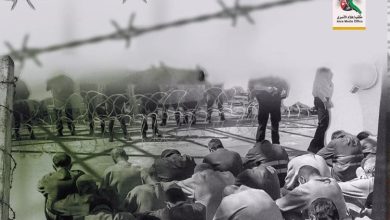
Abu Bakr has lost about 25 kilograms in detention, and his health has worsened. He suffers repeated dizzy spells and back pain. His hearing and eyesight have weakened, and he has caught scabies several times. Then there is the psychological toll of prison and of separation from his family.
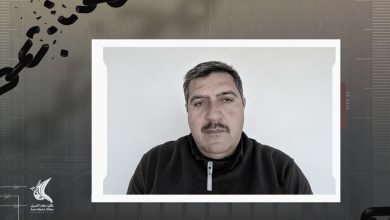
Speaking by video link at one of his hearings, he described his health and the harsh conditions of his detention, and repeated that he is innocent of the charges against him.
Prisoner rights organizations say his case confirms concerns about fair-trial guarantees in the occupation’s military courts. It also shows, they say, that prisoners need legal protection and that those responsible for violations against them must be held to account.
Children Who Grew Up Without Their Father
Before his arrest, Abu Bakr farmed and worked as a day laborer to support his eight children. The youngest was 18 months old when he was arrested. From that day, his wife raised the children and managed their affairs on her own.
As the years passed, the children grew up away from their father. No visit, and no news of him, could make up for the everyday moments missing from their lives. The family had held on to the hope that the end of the trial might clear the way for his return. The life sentence crushed that hope and deepened their fears for the future.
A Life Sentence and Suffering That Goes On
Six years of trials ended in a life sentence. The family’s suffering did not.
His wife still carries the family alone. His eight children go on living apart from a father who has been absent through their childhood and youth. When Abu Bakr went to prison, he left behind a child not yet 2 years old. Now he faces a sentence that may keep him from ever watching his children grow up. They are still waiting for the day they regain their natural right to be with their father outside the prison walls.