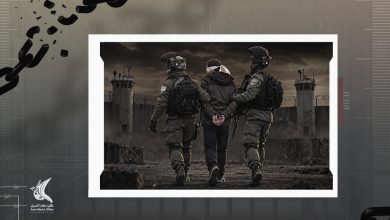
Detention as an Instrument of Genocide: Gaza’s Prisoners, 2023 to 2026
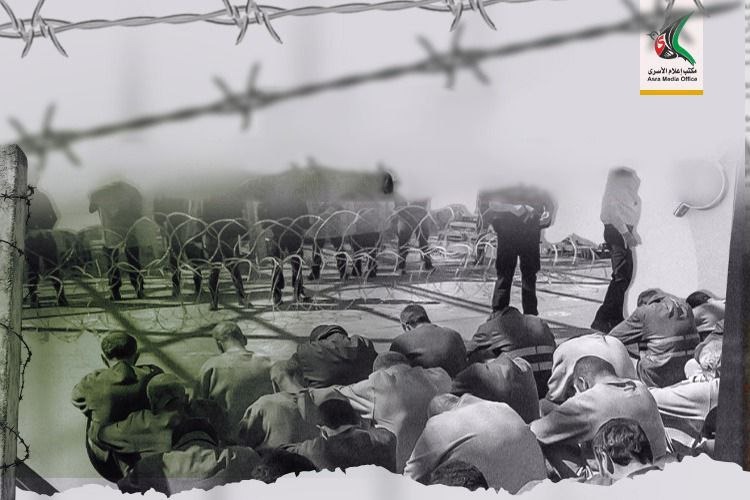
Three years into the genocidal war, the occupation still holds an estimated 2,000 Gaza prisoners, the center says
Israeli occupation authorities have arrested more than 15,000 Palestinians from the Gaza Strip since the genocidal war began on October 7, 2023, the Palestine Center for Prisoner Studies says.
More than 360 of them are medical workers. Dozens are civil defense personnel. Journalists were taken too. Hundreds are women, children, and elderly people.
The occupation even detained amputees and people in wheelchairs.
In a report marking three years since the Al-Aqsa Flood battle, the center says the occupation did not stop at destroying every form of life in Gaza, killing tens of thousands, and razing most of the Strip’s buildings, especially in Rafah and the north. It also ran mass arrest campaigns against unarmed civilians, seizing them from homes, shelters, and schools. It made arrests even in corridors it had declared safe.
The arrests were barbaric and unprecedented.
To hold so many detainees, the occupation opened new detention camps and interrogation centers. Its army runs them directly, not the Prison Service. Inside them, it has used every form of abuse and torture banned under international law.
The most prominent are the Sde Teiman death camp in the Naqab, a special detention camp at Ofer prison, and a camp attached to the Naqab desert prison. Others include the Menashe interrogation center and the Naftali detention camp. There is also Rakefet, an underground wing set up in Ramla prison for those the occupation classifies as dangerous.
The occupation deliberately escalated the torture of Gaza prisoners as part of its genocide against the Strip. The abuse began with the arrests themselves, carried out with terror and savagery. Occupation forces threatened detainees with death, shot at them, and executed hundreds in cold blood. They made the men strip, even in rain and bitter cold. They tied their hands, blindfolded them, and moved them by the dozens in conditions unfit for human beings.
Field interrogations followed, at sites the occupation set up for the purpose. It released some detainees. The rest it crammed naked into open trucks and drove to detention centers.
By then, the occupation had already killed hundreds of prisoners it had arrested and subdued, whether by direct gunfire, by running them over with tanks, or by using them as human shields.
In the second phase of the prisoner exchange deal, in January and February 2025, the occupation released 1,024 detainees from Gaza. Another 1,700 prisoners went free in the third phase, in October 2025. After the deal ended, the occupation freed about 800 more in batches through October 2026. Dozens of them were workers arrested in the West Bank and inside the 1948 territories.
Occupation authorities also handed over 930 bodies to the Palestinian side. There were no lists identifying them. Most of the martyrs’ bodies were bound hand and foot and bore marks of torture. That confirms they were severely tortured before being shot and killed in cold blood.
Every prisoner from Gaza who was released was taken straight to the hospital, the center says. They came out in poor health and severely emaciated, worn down by interrogation and torture, the starvation policy, and the harsh conditions they lived through.
Some had lost their memory; others were left with permanent disabilities and amputated limbs.
Released prisoners say they endured severe, degrading torture. For stretches of more than a week, they were kept tied and blindfolded without a break. They were beaten all over their bodies and given electric shocks to sensitive areas. Denied access to a toilet, they had to relieve themselves in their clothes. Police dogs savaged them. And they were hung by their hands for hours on end.
In an assault on their humanity, a number of prisoners were raped, and others lived under constant threat of rape and harassment.
Detainees were denied the most basic necessities. For months they could not change their clothes, and they were barred from showering and praying. Their tent sections swelter in summer and freeze in winter. They do not get enough food and receive no medical treatment of any kind, even though all of them suffer from skin diseases, boils, and infections, along with severe itching. Hygiene is nonexistent, and there is nothing to clean with.
Over the past three years, the occupation has killed 53 identified prisoners from Gaza, out of 92 martyrs of the prisoners’ movement in that period. It used a range of methods, chiefly torture and medical neglect. Doctors and nurses are among the dead, and their bodies are still being withheld. Dozens more remain unidentified.
Then there are the hundreds of martyrs executed in the field after arrest and interrogation, their hands and feet shackled.
The occupation has acknowledged holding about 1,400 prisoners from Gaza, whose names came out after the October 2025 ceasefire agreement. It holds them under the “Unlawful Combatant” law, even though interrogations confirmed that most have no connection to the resistance and hold no information of value to its operations. What these detainees endure, the center says, is revenge and sadism directed at unarmed civilian prisoners.
The number the occupation disclosed does not reflect how many Gaza detainees there really are. The occupation continues to conceal their fate, their numbers, and the conditions they are held in. That is the crime of enforced disappearance. The center estimates the occupation still holds 2,000 prisoners from Gaza, spread across a number of prisons and detention camps.
Before the genocidal war began, 80 prisoners from Gaza were already behind bars, and 43 of them have served their full sentences. Still, the occupation refuses to free them.
The occupation’s Knesset has approved special military courts with the power to impose death sentences retroactively on Gaza prisoners the occupation accuses of taking part in the crossing into the occupied territories on October 7, 2023.
The center is calling on international institutions to step in urgently and meet their responsibilities in the face of these clear, direct crimes against detainees from Gaza and against prisoners as a whole. These crimes put the prisoners’ lives in immediate danger. For three years, they have endured the harshest torture and inhumane conditions, deprived of the most basic necessities. The center also calls for commissions of inquiry to visit the newly established detention centers and see firsthand the crimes being committed inside them.
Palestine Center for Prisoner Studies
October 7, 2026