From Prayer to a Pillow: How the Occupation Punishes Women Prisoners Over the Smallest Things
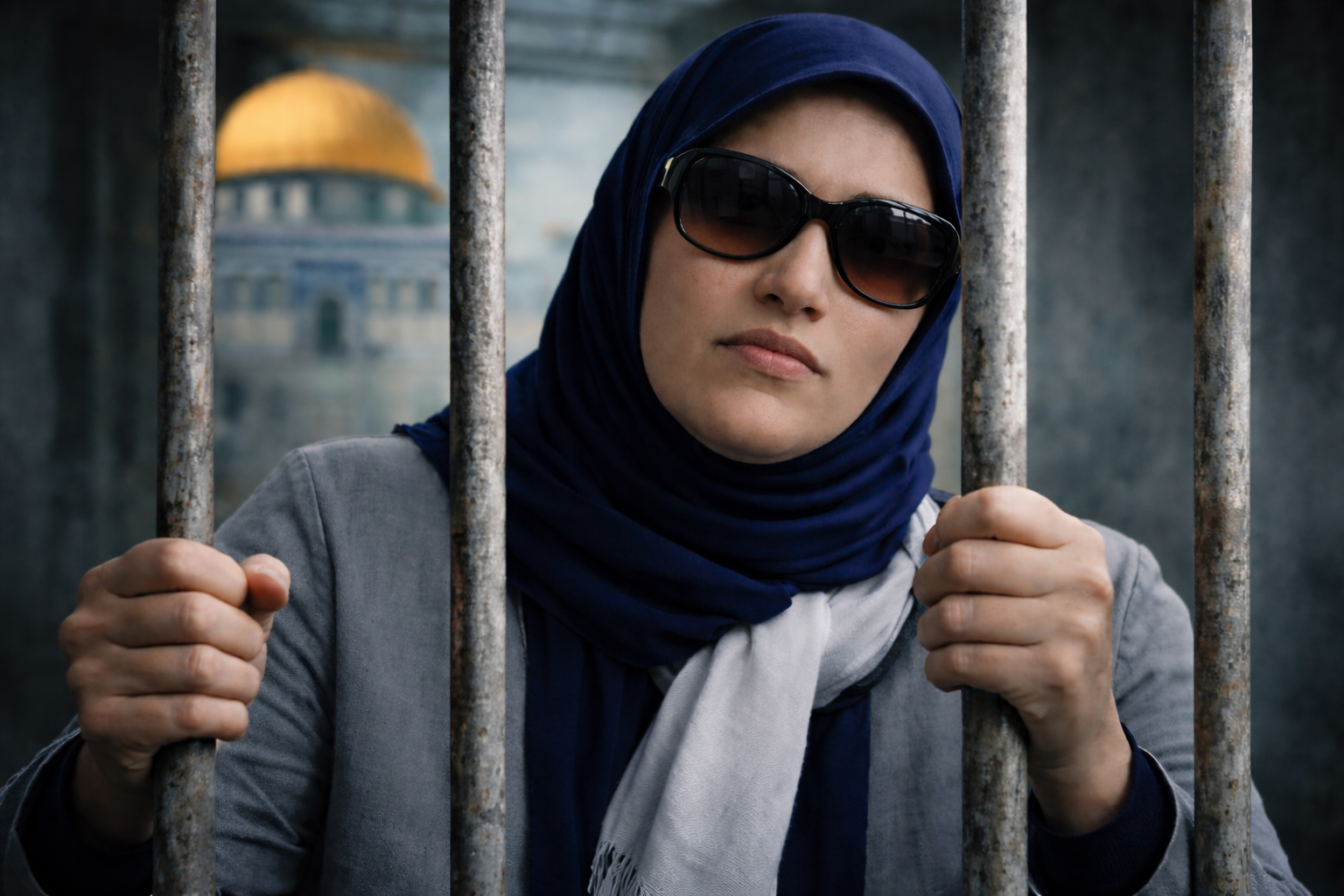
A woman in the occupation’s prisons does not need to break a rule to be punished. Praying is enough. So is combing her hair, fixing a little food, or finding a pillow to ease the pain of sleeping on a cold floor.
In April alone, prison units carried out thirteen raids against the women held in Damon Prison. Thirteen times they stormed the rooms, cuffed the women’s hands, and blindfolded them. Lawyer Hasan Abadi says this was no string of scattered incidents. It was a system, built with care.
The smallest parts of daily life become reasons for punishment. Keeping hold of a shred of dignity turns into a daily fight against a system that targets more than the women’s bodies. It works to break their humanity, piece by piece. The testimonies coming out of Damon Prison do not describe one-off events. They describe a full policy of daily humiliation that runs on isolation, raids, gas, police dogs, and collective punishment to keep the women under constant pressure.
The women live with a severe shortage of the most basic things, Abadi says. No soap. No shampoo. Often not enough air. The prison administration imposes repeated stretches of isolation that can last two full weeks, and during them the women cannot even go out to the exercise yard.
What happens inside the rooms is crueler than the isolation.
One room holds six women. Three are pregnant. The room has only two beds, so four of the women sleep on the floor. There is no toilet. Damp clings to the walls, and the administration will not let the women open the windows or air the place out. In that cramped, airless room, the women live under unbroken pressure. The simplest needs of pregnancy, rest, or sleep turn into a daily ordeal.
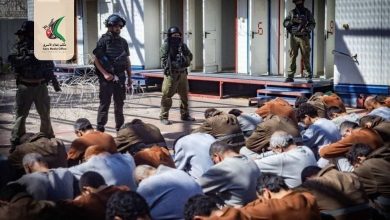
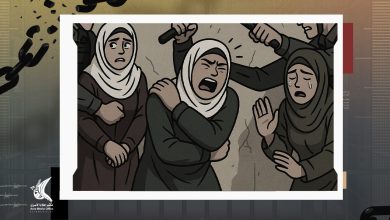
Abadi describes the raids as sudden, violent assaults by special units of the prison service. A raid usually starts with a surprise storming of the rooms, sometimes with stun grenades or police dogs. The force then blindfolds the women, binds their hands and feet, and drags them across the floor. Many of these raids happen for reasons he called trivial. They become scenes of collective humiliation and violence all the same.
One raid began after the administration found that a woman was using a plastic fork to comb her hair. To the women, the fork was a crude stand-in for a comb they had been denied for months. To the administration, it was an infraction that called for a raid and the seizure of every plastic fork in the section. It did not stop there. On a later search, the administration found the women using plastic spoons to make a little salad. Those were taken too.
Inside the prison, simple food becomes a danger. A comb becomes a charge.
One of the cruelest incidents Abadi documented happened in the room holding the pregnant women. During a raid, the force found a small pillow and opened an investigation into how it had reached them. It turned out that one of the women had gathered some clothes and stuffed them inside a jacket to make a simple pillow for a pregnant woman who could not sleep. Even this did not pass. The force stormed the room, assaulted the women, and led them away after taking the pillow.
In the occupation’s prisons, an attempt to ease the pain of a pregnant woman can turn into a full security raid.
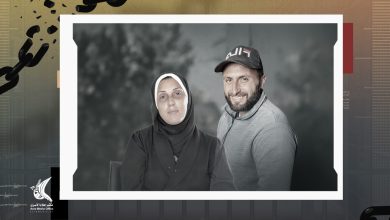
The released prisoner Salam Kassab’s “crime” was that she would not stop praying. When an officer screamed at her to stop, she kept going. She finished her bowing and prostration to the end. Then they came. They cuffed her hands and feet, blindfolded her, and dragged her to a cold solitary cell, where she stayed for days.
It is that simple. In Damon Prison, prayer turns into a confrontation, the confrontation into a punishment, and the punishment into a message to every woman who thinks of doing the same.
What these testimonies reveal together is that the goal has nothing to do with security or order anymore. Sleep is watched. Food is watched. Hair is watched. Worship is watched. Every time a woman tries to hold on to something of her humanity, she finds a raid, restraints, and collective punishment waiting.
The Prisoners’ Media Office warned that what is happening in Damon Prison is a plain model of systematic humiliation, one that international humanitarian law treats as a violation needing no interpretation. The office said the continuing international silence can only be read as implicit cover for these violations, and it called on human rights institutions to act urgently to document these crimes and hold the occupation accountable.
The cruelest truth is that a woman inside the occupation’s prisons is not punished for a crime she committed. She is punished because she tries, every day, to live with dignity despite the chains and the repression.