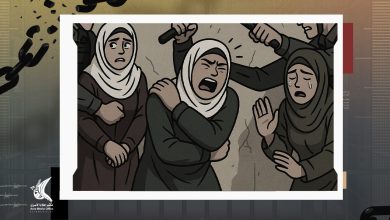
Inside Janout isolation
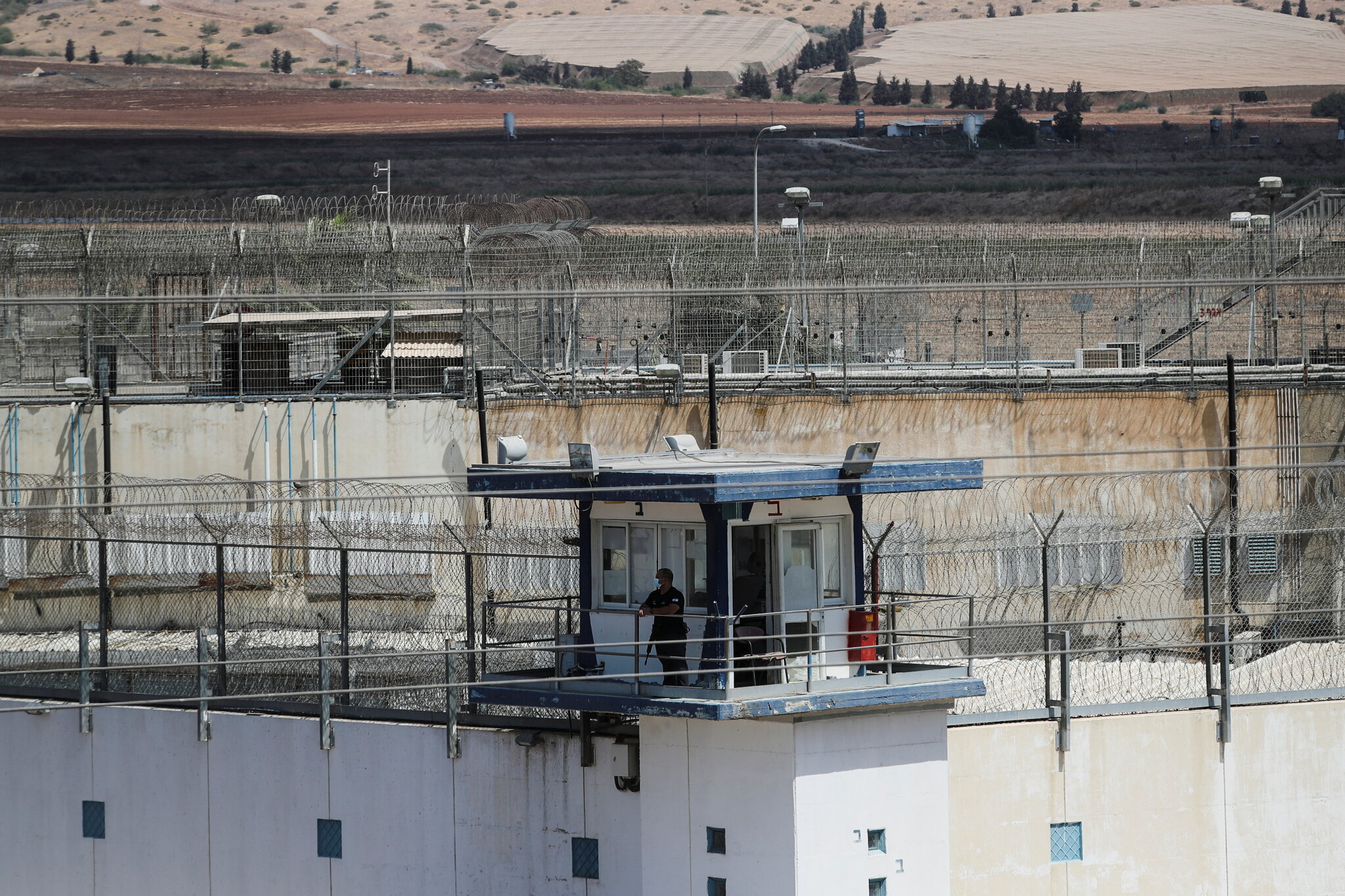
Inside Janout isolation, a group of Palestinian prisoners has vanished into a silence the prison system has never produced before. These are men with lives, families, and children waiting for them to come home. Now those families carry a second fear. Talk of an execution law, meant to be carried out against prisoners, grows louder by the day, as though the decision were already made.
Their families live on edge, watching, afraid the law could take effect at any moment and strip them of their sons and fathers.
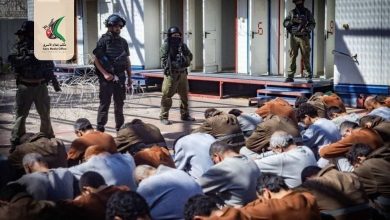
Almost nothing escapes Janout about how the prisoners inside are faring. The few accounts that have come out describe a place little different from Megiddo isolation, which has become a fresh grave where prisoners are buried while they still breathe.
Abbas Mohammed al-Sayed, 59, from Tulkarm, has lost more than 40 kilograms. His family learned through a lawyer’s visit days ago that his health is poor. The repression inside Ramon isolation, where he is held, has not stopped. It comes with beatings, forced stripping, and naked searches. His body is covered in redness and itching, and he is asking for treatment. He wants a prayer rug and a Quran, after the prison administration stripped the prisoners of everything they owned, while the state of emergency and the punishment of the prisoners’ movement’s symbolic figures grind on. His family says his condition, and that of the prisoners held alongside him, is severe, and they fear for their lives.
Al-Sayed is one of the figureheads of the prisoners’ movement held in Ramon isolation, where they face repression and abuse without pause. He has been in prison since 2002, serving 35 life sentences.
The family of Samer al-Arbid, 50, from Ramallah, knows nothing about him. He is among the prisoners whose news has been cut off entirely from their families, who wait for permission for a visit or a meeting with a lawyer just to know they are alive. His last visit was three months ago, when he was still in Megiddo isolation, and his condition then was extremely difficult. Since his transfer to Janout the silence has been total. The family is trying to send a lawyer to see him and has yet to get any approval.
Al-Arbid has been held in Ramon isolation for more than six years. He was arrested in 2019 and still has no clear sentence. He is also one of the prisoners subjected to repeated arrest, having already served a total of ten years in the occupation’s prisons.
The family of Jamal Abd al-Salam Abu al-Hayja, 66, from Jenin camp, says his last visit came before the recent war with Iran. The last message they received from him said his section was raided and put down by force. He was hit with rubber bullets and beaten, especially on the head. His family lives in constant fear, all the more so because four of their children are also held in the occupation’s prisons. They say:
“We live in constant fear. Around the clock we think about our children and our father, especially when we hear about a raid or repression inside the prison where they are held.”
Abu al-Hayja has been imprisoned since 2002 and is serving nine life sentences plus 20 years. His son Abd al-Salam has been held in administrative detention since 2022, and his son Asem since 2023. His daughter Banan has been held in Damon prison since 2025 under an open administrative detention file.
Mohammed Hasan Arman, 48, from Ramallah, is also held in Janout, his news still cut off. His family does not even know how much weight he has lost. No one has seen him since last November. Arman has been imprisoned since 2002, serving 36 life sentences.
In the same isolation sits Mohammed Ali Qaisi, 23, from Nour Shams camp in Tulkarm. He was nineteen when he was arrested on June 9, 2022, and sentenced to four years. While he was in Megiddo isolation his family received word of him through limited lawyer visits, but the news stopped completely when he was moved to Janout this past March. The last they heard, his weight had dropped to 60 kilograms, after he entered prison weighing 82.
The family of the journalist Munther Khalaf, 50, from the village of Beit Dajan east of Nablus, says Ramon prison administration recently moved him to solitary confinement, as the policy of squeezing the prisoners continues. Khalaf has been imprisoned since 2002 and is serving a life sentence plus 33 years, almost 24 of which he has spent inside the occupation’s prisons. The family says released prisoners told them their son is living through harsh conditions, with the repression and abuse inside the prisons going on. They are calling on the International Committee of the Red Cross and human rights institutions to step in, visit him, and check on his condition.
The prisoner leader Jamal Abd al-Fattah al-Hour, 51, from the town of Surif north of Hebron, was recently moved from Megiddo isolation to Janout, with growing fears for his health. His condition is critical after losing more than 35 kilograms to the starvation policy and the deliberate medical neglect inside the occupation’s prisons. Al-Hour has been imprisoned since 1997 and is serving five life sentences plus 18 years.
The families of the Janout prisoners say almost no news comes out of this isolation. What little is known points to abuse of the prisoners that has not stopped, under the state of emergency imposed inside the prisons.
This open isolation has no end date. And the families wait, their fear for the health and the lives of their sons climbing by the day, afraid that what comes next will be crueler than anything before it.