Scabies outbreak tears through Israeli occupation prisons as warnings mount of a health catastrophe for prisoners
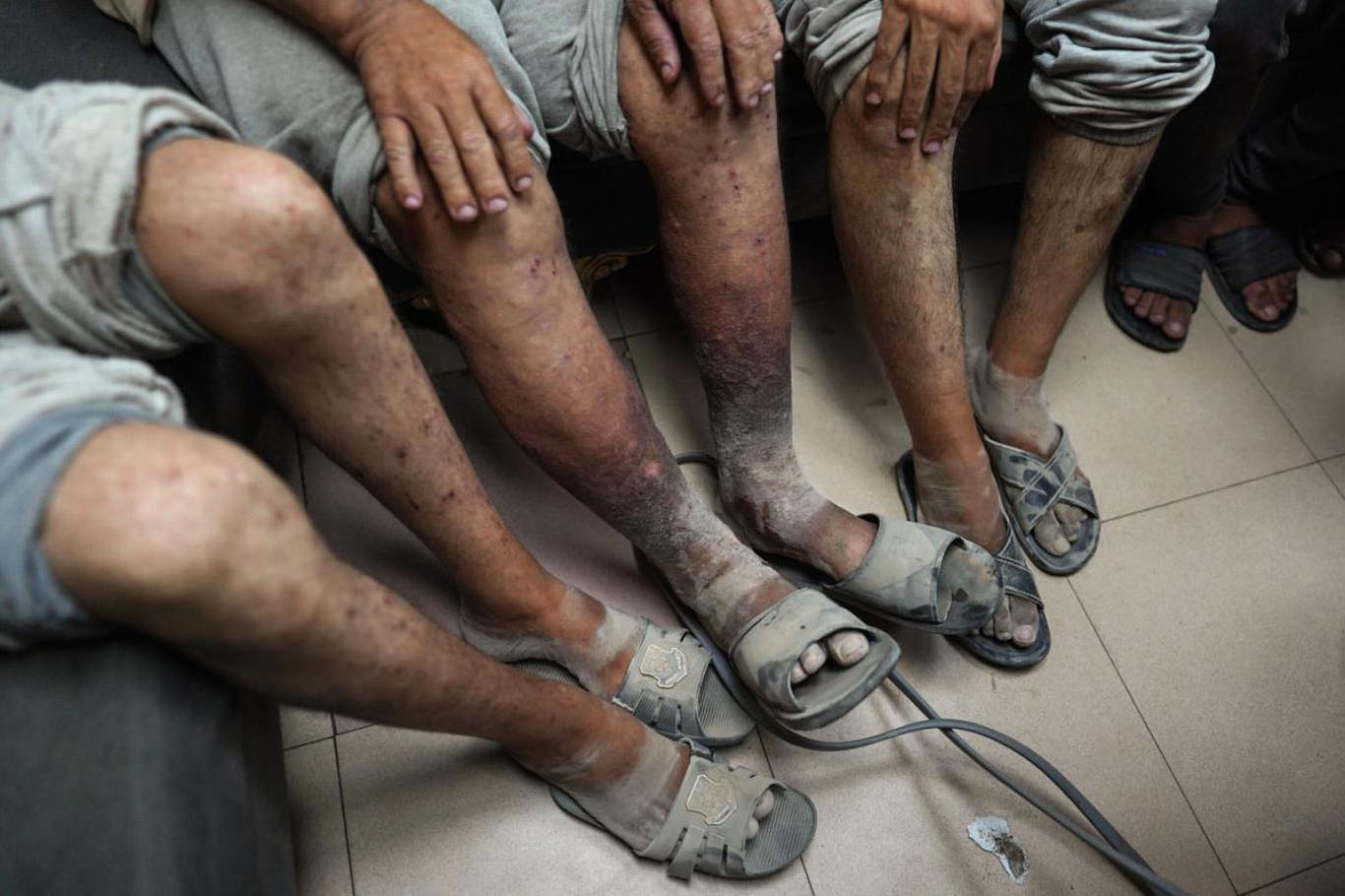
A severe scabies outbreak is sweeping through several Israeli occupation prisons. In cells holding eight prisoners, at least three are infected, and prison authorities stand accused of deliberately withholding treatment.
The conditions have turned the prisons into a breeding ground for disease, where illness becomes a tool of torture and slow killing. Dozens of legal visits have documented the scale of the suffering and a collapse of health inside the wings.
The disease has spread through Ofer, Naqab, and Ganot, where overcrowding, poor hygiene, and a lack of ventilation fuel it. Prisoners get almost no medical care. They describe boils, open sores, and severe infections, the result of medical neglect. The itching and constant pain keep them awake.
Some have caught the disease a second time, because the conditions never change. Others have had scabies for more than five months with no real treatment.
Several can no longer move normally.
In Megiddo, prisoners suffer acute pain and serious symptoms with no follow-up care. The administration has cancelled legal visits for prisoners infected with scabies, a move to hide how far the crisis has spread inside the jails.
The Prisoners’ Club says the occupation’s own policies drove the outbreak: overcrowding, filthy conditions, and the denial of adequate clothing and sunlight. Some prisoners are forced to wear wet clothes because there are not enough to go around, conditions the Club calls degrading.
Disease and medical crimes are policy, not accident, the Club says. Illness, scabies above all, has become one of the leading causes of prisoners’ martyrdom behind bars. Since the genocide began, 89 prisoners and detainees whose identities are known have been martyred.
The Prisoners’ Media Office calls what is happening an orchestrated crime and a flagrant violation of international law and conventions, and warns that conditions will only worsen while the deliberate medical neglect continues. It has urged the World Health Organization and international human rights and humanitarian groups to step in at once, to save the prisoners and to hold the occupation to account for its medical crimes and continuing violations.