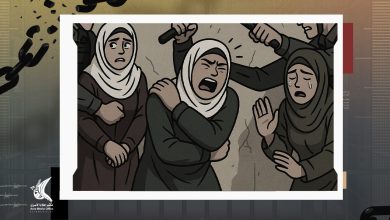
On Children’s Day: 350 Palestinian Children Inside Israeli Prisons
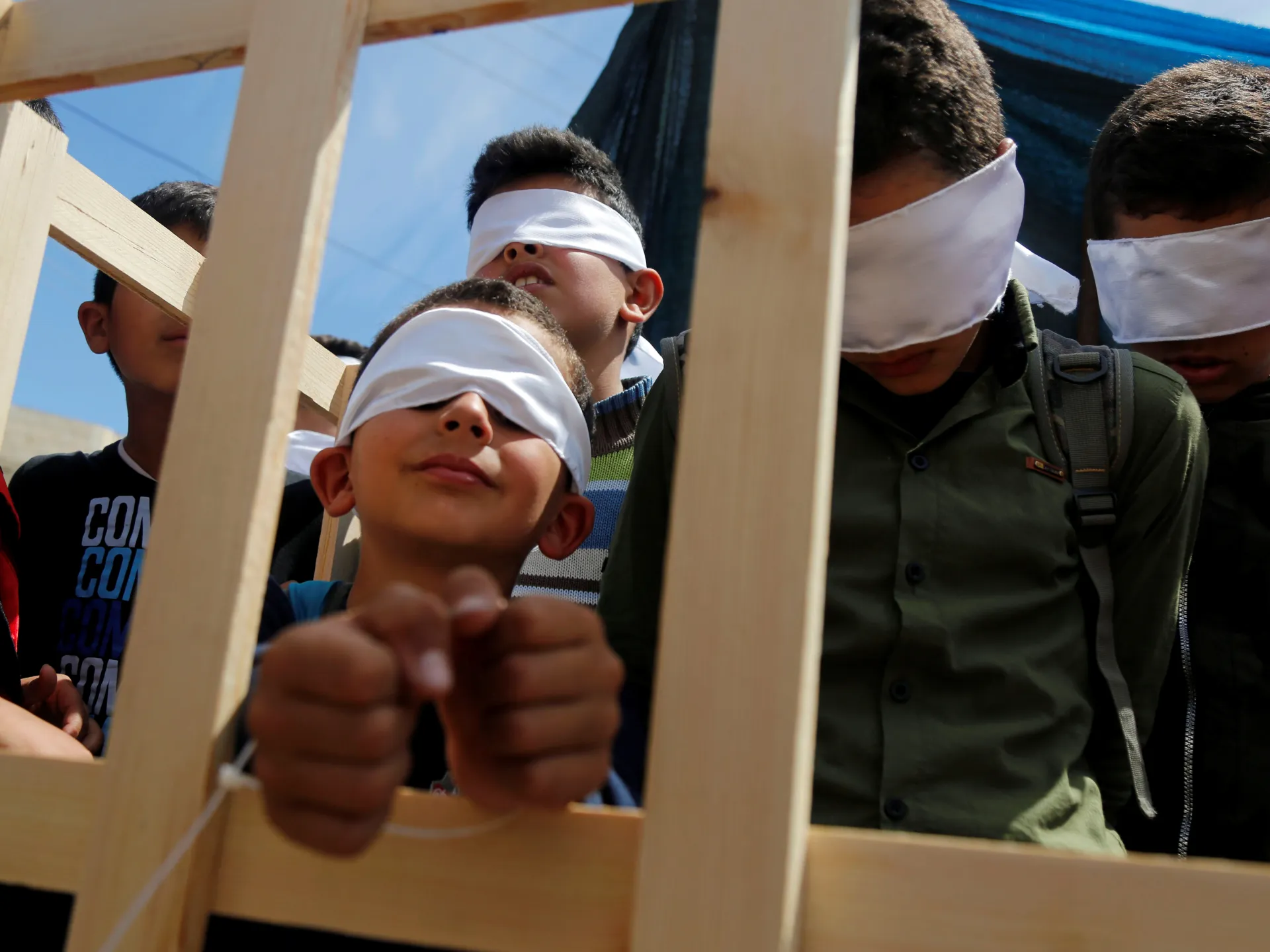
Israeli prisons hold 350 Palestinian children in the juvenile sections of Ofer and Megiddo. The occupation has arrested more than 1700 children since October 7, 2023. Some have been released. Others remain inside.
The arrest campaign runs alongside the war of extermination against childhood in Gaza, where the occupation has detained dozens of children from the Strip in breach of human rights law and the laws of war. Arrests come with physical abuse and punitive measures that strike the soul before the body: enforced disappearance, hidden detention sites, and severed contact with lawyers and families. Prisoner and human rights groups have struggled to settle on a reliable count of detained children as a result.
The 1989 Convention on the Rights of the Child bars the arbitrary arrest of children. Detention must be a last resort, kept as short as possible, and carried out humanely. The occupation violates the convention openly. Article 37, which prohibits torture and inhumane treatment of children and guarantees their right to contact family and access legal counsel, is breached as a matter of policy. The occupation also violates international humanitarian law, particularly the Geneva Conventions, which extend special protections to children as civilians.
The first assault
Abuse is now a fixed feature of prison administration for every detainee. No distinction is drawn between child and elderly, sick and healthy. All endure systematic torture, starvation, and medical neglect.
Palestinian families have seen a sharp shift in arrest tactics since October 7. The raids, already harsh, have grown more violent. The occupation no longer gives families a chance to open their doors. Soldiers blow open doors during night raids, isolate the targeted child, and take him without letting him dress for the cold, take his medication, or say goodbye. The detention that follows is open-ended.
An unlawful interrogation
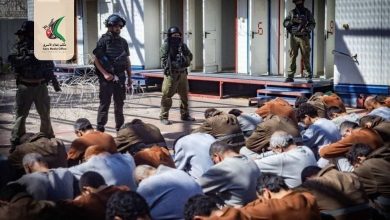
What follows arrest is no less brutal. Children are shackled and blindfolded. Some are photographed blindfolded beside occupation soldiers in staged, degrading scenes. They are beaten severely during transport in military vehicles. The beatings would break an adult. They are inflicted on children.
Interrogation takes place in unlawful conditions designed to break the child, with no regard for age. Children are held in isolated interrogation centers where they cannot tell day from night. They are questioned without lawyers present, in clear breach of basic legal protections.
Administrative detention and childhood
Around 180 children were held in administrative detention by the end of 2025, subject to secret files and no formal charges. The child here faces arrest, interrogation, and renewable detention orders that can stretch for years and turn his childhood into a painful memory.
International instruments treat administrative detention, especially of minors, as a flagrant breach of humanitarian norms. The occupation continues to ignore them.
Harsh prison conditions
Children live in severely overcrowded rooms without ventilation, short on clothing and blankets. The administration restricts their movement, has confiscated their belongings, and blocks lawyer visits. Family visits have been banned for more than two and a half years. Medical neglect is the norm, and skin diseases such as scabies have spread. Rations have been cut as part of a deliberate starvation policy that has weakened the children’s health.
Testimonies of a tortured childhood
Walid Khaled Ahmad was martyred in March 2025 inside Megiddo prison from torture, mistreatment, and starvation. The autopsy showed sharp physical deterioration: severe wasting, loss of muscle mass, and clear signs of malnutrition and dehydration. Prisoner institutions have documented his case alongside other testimonies.
Q.N., arrested on January 7, 2026, says he was beaten, shackled, and blindfolded, then moved between interrogation centers and prisons as the assaults continued. He describes severe cold, overcrowding, and shortages of clothing and food.
M.S. was placed under administrative detention at age 15 after his arrest on February 19, 2025. His interrogation lasted 21 days. He suffers from untreated dental pain and a lack of medical care.
A.Kh., 17, says he was beaten, humiliated, and kept shackled even while eating. F.Sh., 16, says he spent 40 days in shackles in harsh conditions, with severe food shortages and poor sleeping arrangements.
The Prisoners’ Media Office says the occupation violates international human rights law by holding 350 children, interrogating them without lawyers, torturing them from the moment of arrest and throughout their detention, and denying treatment to the sick.