A Body Under Siege: The Case of Abdullah Iyad
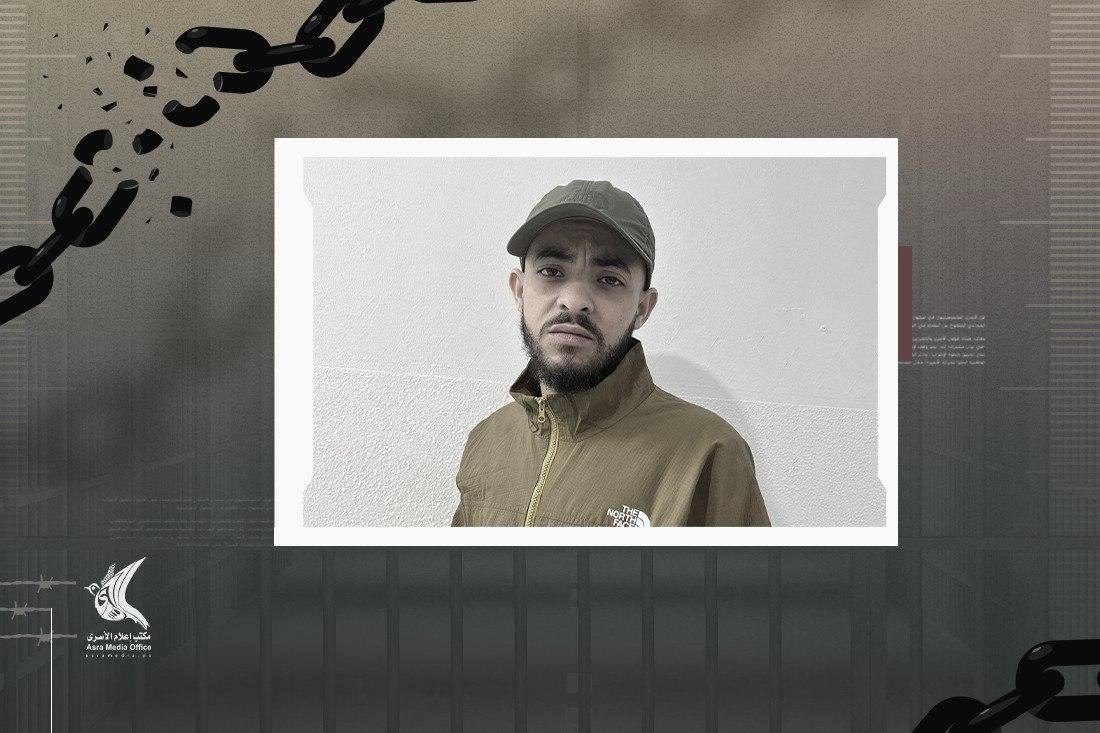
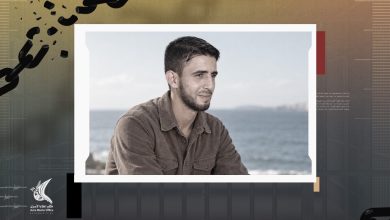
Abdullah Iyad Muhammad Abdullah’s heart is failing. He is 25 years old, held under administrative detention in Megiddo prison. He has sickle cell anemia. Before his arrest, surgeons had already removed his spleen, his gallbladder, and part of his liver. He needs daily medication, weekly intravenous nutrients, and IV painkillers to stay alive.
His family has not been allowed to see him.
Released prisoners from Megiddo told his family he has been in severe pain for a month and was transferred to a hospital. The pain, they said, is unbearable.
The Prisoners’ Media Office spoke with his family to document his condition, the circumstances of his detention, and the medical emergency Israeli prison authorities are ignoring.
Three Wounds in One Household
Abdullah is the third blow to fall on this family from Nur Shams refugee camp in Tulkarem.
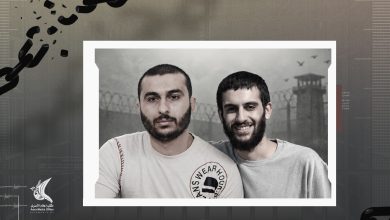
Israeli forces arrested his father, Iyad Muhammad Abdullah, 50, on July 20, 2024. He remains in detention, caught up in court proceedings that have dragged on for more than two years. His brother Muhammad Iyad, 19, was killed on October 10, 2024. On May 10, 2025, the occupation demolished the family home.
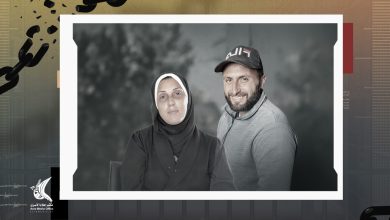
Their mother, Um Abdullah, holds together what is left. She manages her husband’s trial, fights for her sick son’s treatment, and grieves a son she buried. She has five children. The youngest is a girl, a year and a half old, who was a one-month-old fetus when her father was taken.
Um Abdullah says God gave her this child to keep her heart occupied, a mercy she holds on to tightly.
But Abdullah is her most pressing concern.
“All my efforts are focused on his freedom and getting him treatment,” she says. She cannot visit him. Lawyers have been blocked from seeing him. Family visits have been banned since the emergency measures imposed on Palestinian prisoners after October 7.
A Medical File With No End
Um Abdullah knows her son’s medical history by heart. She was with him through every hospital visit and procedure before his arrest.
“Abdullah has been sick since birth,” she says. “He has sickle cell anemia. His health got worse after they removed his spleen, gallbladder, and part of his liver. He’s had multiple surgeries. He needs constant medical care, IV nutrients, and painkillers.”
His red blood cells keep breaking down. His hemoglobin has dropped as low as 6. He suffers from irritable bowel syndrome and chronic stomach pain caused by years of heavy medication. Even his stomach treatment had to be given intravenously.
Israeli forces arrested him on February 6, 2025, at 3:00 a.m., raiding the family home while he was receiving treatment.
Since that night, the family has had no breadwinner. His father is also in prison.
Administrative Detention Without End
His detention order has been renewed three times, six months each.
The family filed an appeal. It was rejected.
They contacted multiple institutions for help. None responded. The emergency conditions inside Israeli prisons have closed off every avenue they tried.
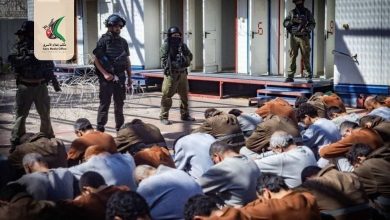
Released prisoners from Megiddo told the family that Abdullah was placed in solitary confinement for a week. He was beaten, like the other prisoners.
“Abdullah asked us to speak up for his treatment,” his mother says. “I don’t know which institutions can actually help us. I just want my son to come home safe.”
A History of Detention and Medical Collapse
This is not Abdullah’s first time in Israeli custody. He spent two months at al-Moskobiyyeh interrogation center in Jerusalem. When he was released through Qalandia checkpoint, his health was so poor his family took him straight to the hospital.
He had been wounded by shrapnel before his current detention.
His mother is waiting for one thing: news that Abdullah will be freed so he can get the treatment keeping him alive.