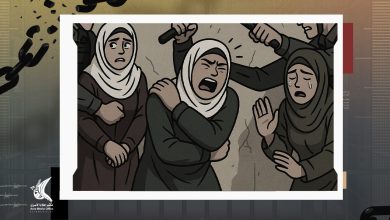
Ramadan Behind Bars: 70 Women Prisoners in Damon Prison Face Starvation and Broken Spirits
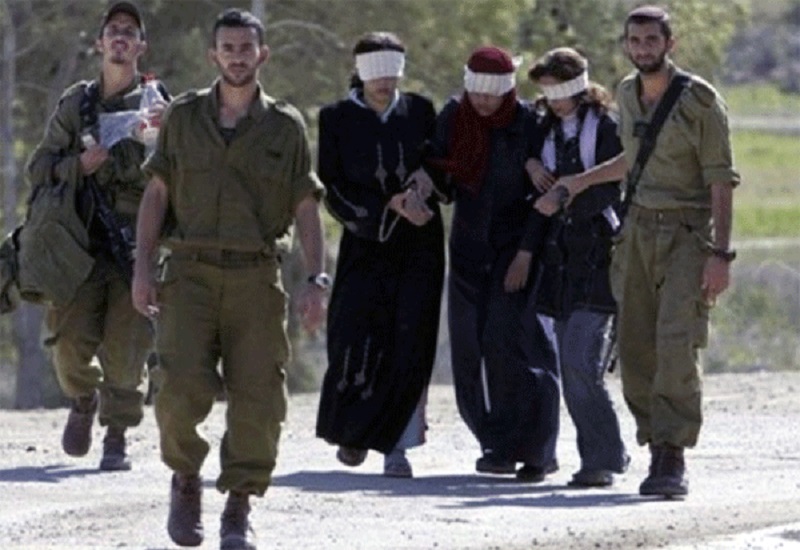
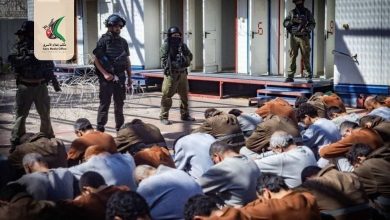
About 70 Palestinian women are spending Ramadan in Israeli occupation prisons. Twenty-four of them are mothers. Their children fast without them.
On the other side of the walls, the mothers can barely eat. The food is cold, scarce, and sometimes crawling with insects. Religious observance is blocked. Family visits are banned. Lawyers are kept at a distance.
Most of the women held in Damon Prison face charges of “incitement” on social media. They include journalists, engineers, lawyers, minors, and roughly 13 university students taken from their classrooms.
The Prisoners’ Media Office says conditions during Ramadan amount to a starvation policy: cold and insufficient meals, a ban on Ramadan timetables, a continuing state of emergency, and severe restrictions on legal access.
A Child Left Alone
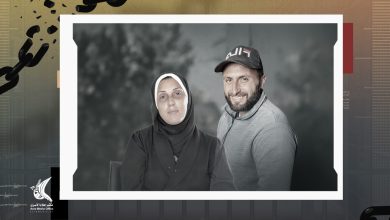
Eiliyaa Melitat is 10 years old. Both her parents are in prison.
Her father, Musab Melitat, was re-arrested on September 21, 2025, under a renewed administrative detention order. Her mother, Aseel Melitat, has been detained since June 3, 2025. The family is scattered across prisons for Ramadan.
Eiliyaa gets news of her parents through lawyers’ visits. She is old enough to understand what detention means. She should not have to be.
Testimonies of Pain
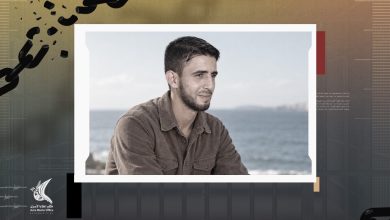
Dalal Fawaz al-Halabi, 55, a freed prisoner from the town of Rujeib near Nablus, was arrested on January 30, 2025, and released after a year of administrative detention. She describes Ramadan inside Damon.
“We didn’t know when Ramadan had started,” she says. “We asked the administration for a timetable, and they brought one. We relied on it for iftar, prayer, and suhoor times.”
Days later, a newly arrived prisoner told them the timetable was wrong. They had been breaking their fast too early. The women split: some chose to make up the days, others considered their fasting valid. Timetables are now banned from the prison entirely.
“They would collect all three meals before iftar and serve them ice cold,” al-Halabi says. “For an entire month, not a single bowl of hot soup passed our lips. Even the tea was cold. It didn’t resemble tea.”
Food as a Weapon
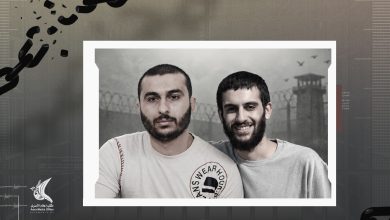
Rula Ibrahim Hassanein, a freed journalist arrested on March 19, 2024, spent ten months in captivity. She confirms the pattern.
“The food wouldn’t feed a bird. Poor quality, tiny portions, a deliberate policy to pressure us. They confiscated our kitchen tools, our belongings, our clothes.”
Bushra al-Tawil, a journalist released and then re-arrested under administrative detention, says: “The soup was water. Sometimes you’d find insects in it. The drinking water was unclean. The administration shows no respect for the sanctity of Ramadan. They obstruct prayer and Quran recitation, and give us wrong iftar times.”
Al-Halabi recalls guards peeling a mango or eating an apple in front of the prisoners. The women were denied any fruit.
Vegetables arrived rotten, cut with plastic spoons because knives were confiscated. The rice was undercooked, barely three spoonfuls per prisoner. Each woman received one egg a day, its yolk blackened from overcooking. Six pieces of bread for 24 hours. Legumes came with no seasoning. If spoiled food was sent back, the punishment was hunger.
No accommodations were made for diabetic prisoners or those with chronic illnesses. Acamol and a glass of water were the treatment for every condition.
The women keep fasting. Ramadan in Damon Prison is a test of starvation, humiliation, and denial of the most basic religious and human rights. The spirit, they insist, is stronger than the bars.