A Gaza Prisoner Overdue for Release: the Case of Youssef Qarmout
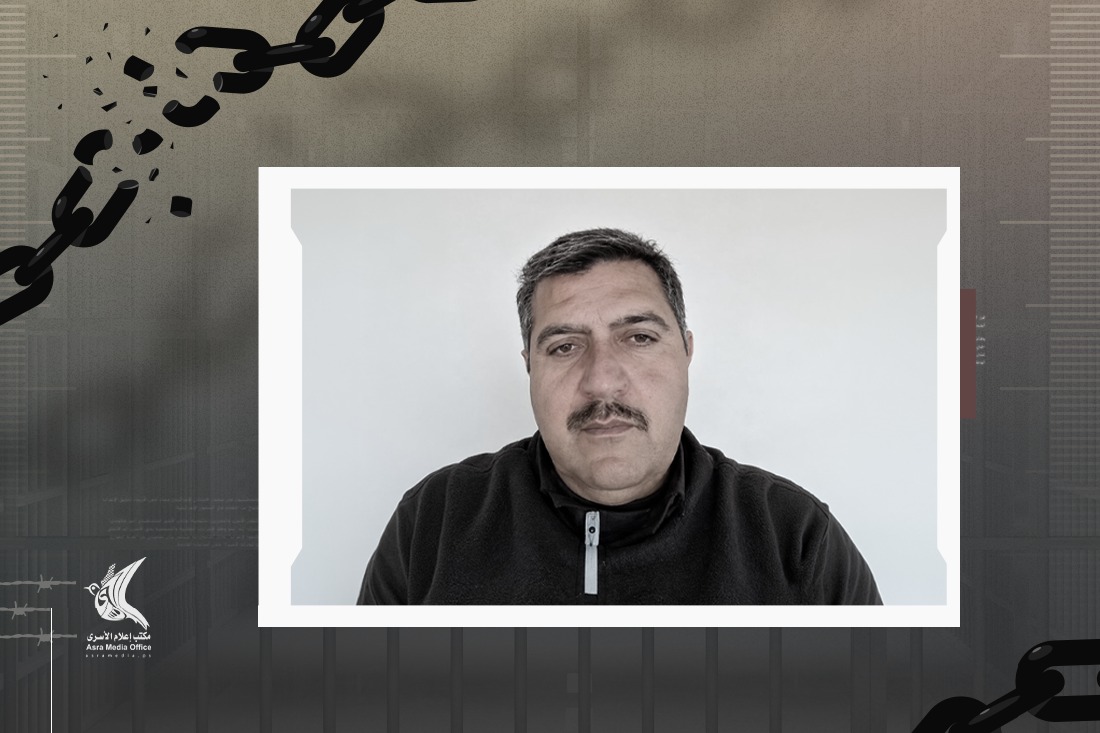
Youssef Qarmout finished his five-year sentence on June 19, 2024. The prison door never opened.
He was arrested on June 19, 2019, and sentenced to five years. His son, Mohammed Yassin, kept putting off his wedding, waiting for his father to come home. “My father will be out soon,” he would say. He believed it was only a matter of time.
The day the family had waited for came and went. Since then, one question has hung over them: why wasn’t Youssef released when his sentence ended?
After the Last Visit, Silence
The family last saw Youssef in September 2023. His wife and one of his sons visited and had about 45 minutes with him through a glass partition. When the war on the Gaza Strip broke out, visits and contact stopped.
The family turned to released prisoners for news. Some said they had seen him in Sde Teiman, Ramon, or Naqab. Their accounts conflicted, and his fate remained unclear.
Eventually, a list surfaced of Gaza prisoners who were still alive. Youssef’s name was on it.
It was the first news to reassure the family that he was alive. But it left the hardest questions unanswered. Where is he? How is he living? How is his health?
Ramadan Qarmout, the son of Youssef’s brother, lives in Beit Lahia in the northern Gaza Strip. He says the family contacted the International Committee of the Red Cross, the Commission of Detainees’ Affairs, and other organizations, demanding to know Youssef’s fate and why he is still being held after his sentence ended. The family still has no release date.
A Family Changed in His Absence
About 36 people from the wider Qarmout family have been martyred in the war, by the family’s count. Seven were Youssef’s cousins. Among the others were some of his nephews and uncles, and an uncle’s wife.
Youssef’s house was completely destroyed.
Children in the family have grown up without ever knowing him. Others were martyred before he could meet or get to know them. Gaza has changed in ways Youssef has not been able to see in his years away from his family.
The Son Who Waited, Then Disappeared
Mohammed Yassin was engaged to his cousin, the daughter of his paternal uncle, and would not hold the wedding until his father was home.
“My father will be out soon,” he used to say. Then Mohammed himself disappeared.
The family says he was abducted from al-Fakhoura School in the northern Gaza Strip. No reliable information about him has reached them since. They now live with two absences: a father they are waiting to see walk out of prison, and a son whose fate they do not know.
Fears for His Health
The family says Youssef’s lawyer told them he has problems with his heart, eyesight, and teeth, and needed a cardiac catheterization and stents.
Since contact was cut off, the family does not know whether he has received the treatment he needs or what state his health is in now. Knowing he is alive is not enough, they say. They want to know the conditions he is being held in and what has happened to his health in all the time they have gone without news.
One Case Among 43
Youssef’s case is not an isolated one. The Prisoners’ Media Office says the occupation is still holding 43 prisoners from the Gaza Strip. Some have already completed their sentences. Others will complete theirs one after another between now and the end of December 2026.
Holding a prisoner after his sentence has ended, the office says, is arbitrary and unlawful detention.
Some finished their sentences months ago and remain behind bars, it says. Youssef is one of them. He was sentenced to five years. Those five years are over. He is still being held.
The Family’s Demands
The Qarmout family is demanding that Youssef be released and allowed to return to his family and to learn what happened to his children, relatives, and home. They are also demanding to know the fate of his son, Mohammed Yassin.
Youssef served his full sentence, the family says. His continued absence deprives them of a father who has finished his term. He has the right, they say, to come home to his family and check on those who are left.
His family is still asking: when does detention beyond the sentence come to an end?