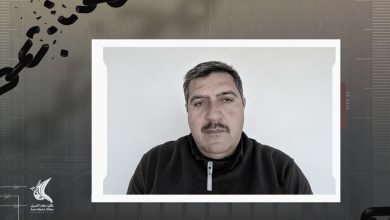
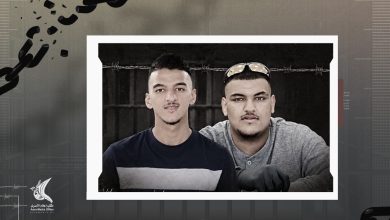
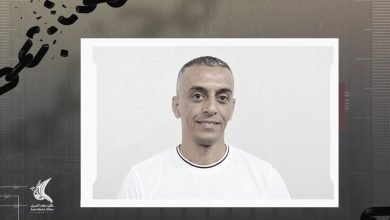
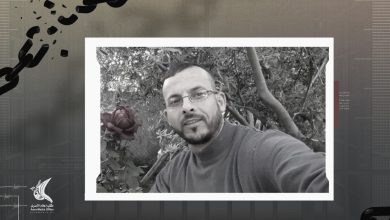
Carceral Time After the Sentence Ends: The Case of Gaza Prisoner Ibrahim al-Shaer
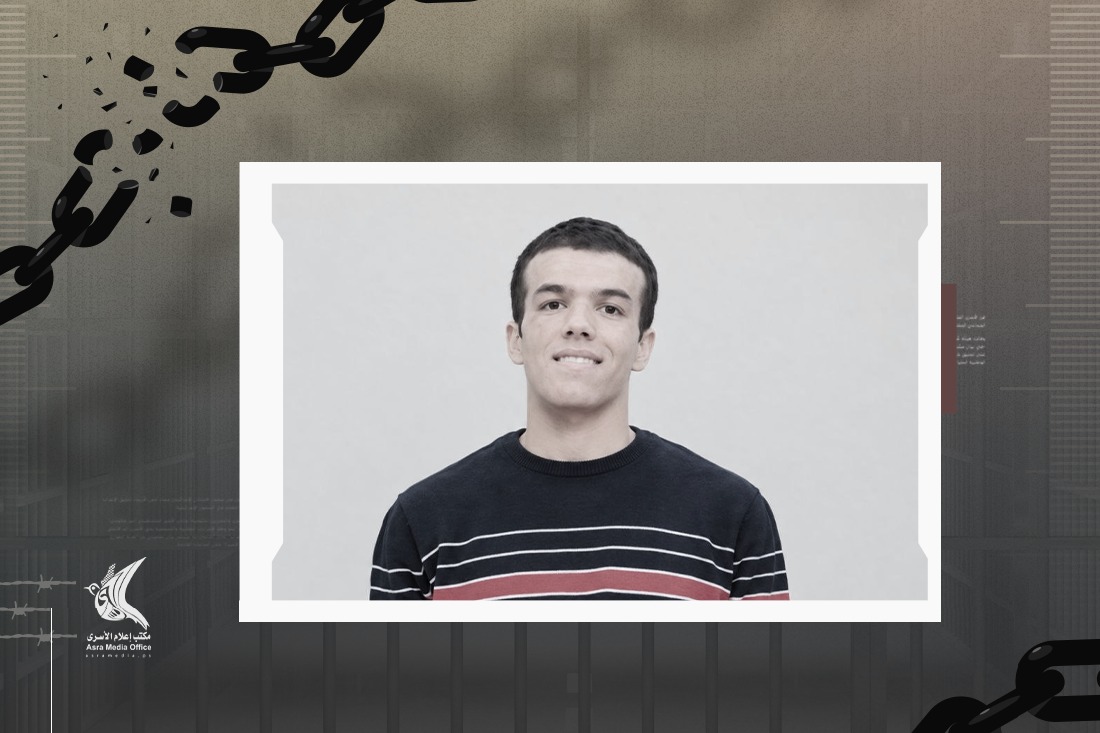
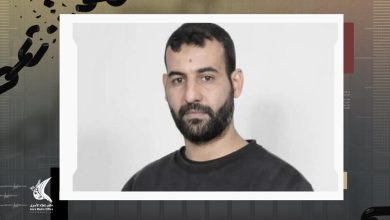
Ibrahim Adel Shehadeh al-Shaer completed his 10-year sentence. Then he served a full year more. He has now entered his 12th year in captivity and is still not free.
For his family, that has only deepened the pain.
Ibrahim was born on December 11, 1993. When he left his home in the Gaza Strip, he had one goal: to get treatment and come home safe and well. The occupation had other plans. It arrested him, robbed him of his youth, and denied him treatment. He has spent more than a decade behind bars and is still being held past his release date.
He was on his way to the West Bank to be treated for a tumor in his mouth when Israeli occupation forces arrested him at the Erez checkpoint on July 9, 2015. Still waiting for that treatment, he found himself a prisoner, tried in occupation courts in Beersheba. He was later moved to Nafha prison and sentenced to 10 years. Nafha and Ramon prisons have since been merged, and he is now held in Ganot prison.
Captivity was hard, but Ibrahim made room for a little hope and earned a bachelor’s degree in social studies.
He never got the treatment he left home for. His family has been in the dark about his health, even more so since the war began on October 7, 2023. News of him rarely gets through, and what little has reached them came from released prisoners: he has lost a great deal of weight and now weighs close to 60 kilograms.
Outside the prison, his family is going through an ordeal of its own. Displacement has followed them throughout the war, from Rafah to al-Mawasi, and they have carried what is left of their memories with them. Even photographs are scarce. Only one or two pictures of Ibrahim remain, along with a few traces that prove he was once here.
During the war, Ibrahim lost his brother Mohammed.
His family says news of Mohammed’s martyrdom must have reached him, but they do not know how. Nor do they know how he took it, how he faced that grief alone behind bars, or what it did to him psychologically. And they cannot tell how he is coping, attached as he is to his family and to those who remain, with no news passing either way.
All his family asks is that someone reassure them about him. They want to know the state of his health. And they want to know when he will win his legitimate right to freedom, a freedom long awaited and pushed back to a date his family does not know.
Neither does Ibrahim.