Incarceration Without Indictment: Serial Administrative Detention in the Case of Munir al-Arouj
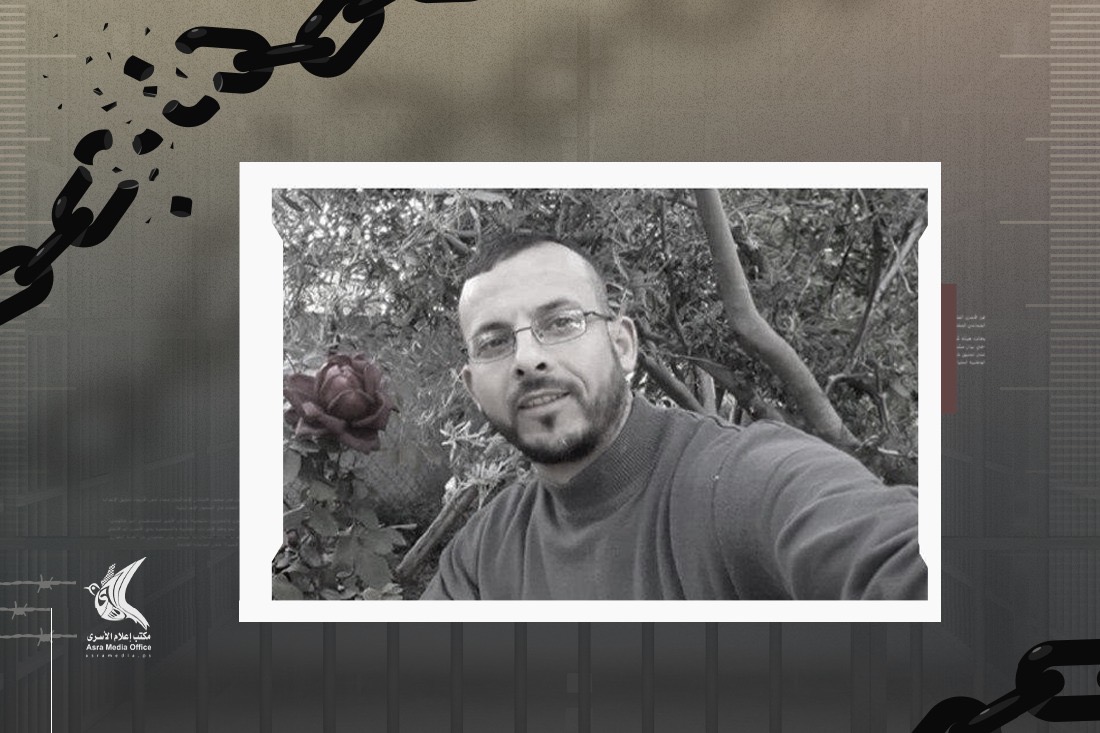
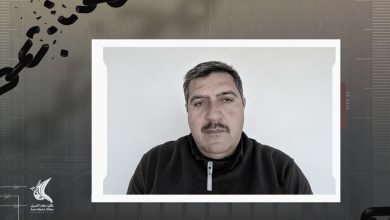
Munir Muhammad Mahmoud al-Arouj is in his second year of administrative detention. He has never been charged. He has never been tried.
For more than six months, he has also been without his prescription glasses. The prison administration confiscated them.
Munir, 41, is from the village of al-Arouj, east of Bethlehem. He is one of thousands of prisoners held under administrative detention in Israeli occupation prisons. Detainees like him are held without charge, on the basis of secret files, and their detention orders are renewed again and again. Prisoners and their families are left waiting, with no end date.
His family knows the sounds by now: military jeeps, knocking on the door at night, soldiers shouting outside the house. For years, occupation forces have raided and threatened Munir’s home and family.
He is a husband and a father, and his family leans on him. He left behind two children who are waiting for him to come home and who have lived with raids, arrests, and his absence since they were small.
A long history of arrest
Munir’s first arrest came in 2002, when he was still in high school. It derailed his schooling.
He was arrested a number of times after that, and more than once he was held under administrative detention. In 2014, the occupation placed him in administrative detention again. He was released in 2016. By then, his time in occupation prisons added up to about four and a half years.
He married in 2017.
The harassment didn’t stop. Occupation forces kept raiding his home, and by his family’s account, the raids eventually came almost every month.
Administrative detention, renewed
Occupation forces arrested Munir at his home, in front of his family, on September 6, 2025. He was interrogated for about a month. On October 5, 2025, he received a six-month administrative detention order. It has been renewed three times since, most recently for six months.
During his detention he has been moved between prisons, from Ofer to Gilboa. He is still held today.
Without his glasses, his health declining
Without his glasses, Munir now struggles to see. His poor vision brings on recurring headaches, dizziness, and exhaustion. His family has appealed to human rights organizations and the relevant authorities to step in urgently and make sure he gets his glasses. They warn of what going without them will do to his health and his sight.
He has lost about 20 kilograms during his detention, his family says, amid the harsh conditions prisoners face and policies of restriction, starvation, and denial of visits.
Two children waiting
In Munir’s house, Baraa and Ibaa hold on to the hope that their father will come back. They are still waiting for the day the family is together again. From their earliest years, they have known what it means to have a father who is gone, soldiers who raid the house, and administrative detention that holds him behind bars with no clear charge and no date for release.
To his family, Munir is patient and hardworking. Arrests and harassment kept him from finishing his education, so he took up construction work to support his family with dignity.
Freedom on hold, by administrative order
Through years of being targeted and imprisoned, his family says, he has shown great patience and held firm.
They have not given up hope of his release. They are waiting for the day he comes home to his wife and two children.