Intergenerational Effects of Life Imprisonment: The Family of Ahmad al-Maghribi, Dheisheh Camp
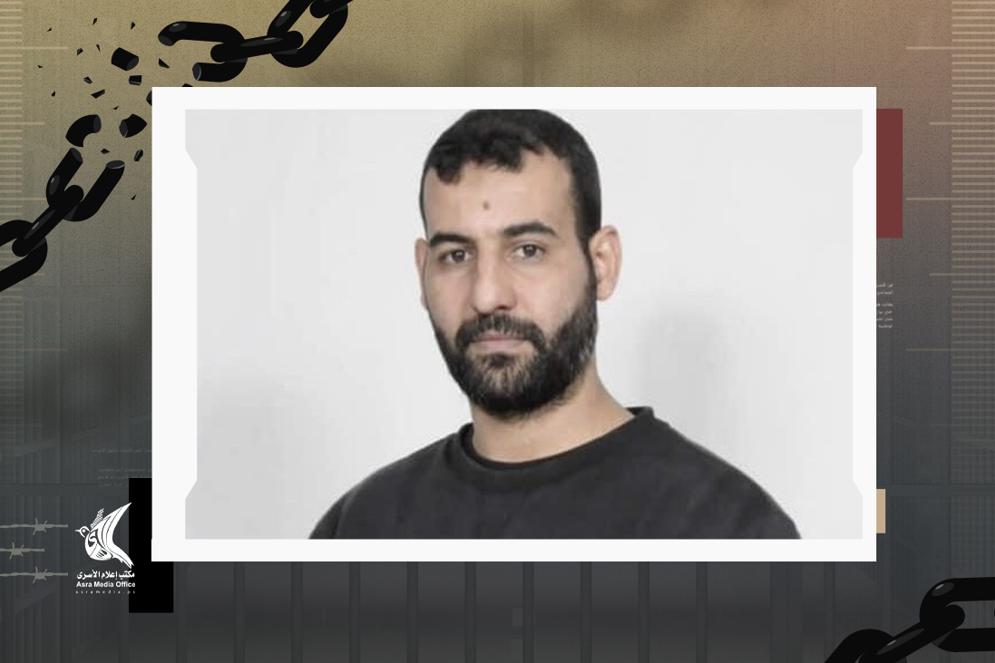
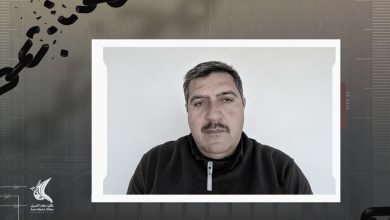
Israeli occupation authorities have held Palestinian prisoner Ahmad Yousef Ahmad al-Maghribi under interrogation for more than two months and have not let him see his lawyer.
He has been in prison for 24 years. He is serving 18 life sentences and has spent about 11 of those years in solitary confinement.
Ahmad comes from Dheisheh refugee camp in Bethlehem. The occupation has not stopped at years of imprisonment, isolation, and a ban on visits. It has gone after his family too. In September 2026, occupation forces arrested his son Mahmoud and stormed and searched the family home.
He is now living through one of the harshest periods of his captivity. His family says the occupation is holding his basic rights hostage, along with any news of him. With the occupation keeping his lawyer away, his fate remains unknown.
Interrogation Without a Lawyer After 24 Years in Prison
The Palestinian Prisoners’ Society says occupation authorities have been interrogating Ahmad for more than two months. They have not said why he was transferred for interrogation or what is being done to him. And they are barring him from meeting his lawyer. On September 17, 2026, occupation forces stormed the family home, arrested his son Mahmoud, and sent him for interrogation. Then, on September 30, 2026, they raided and searched the family’s home in Bethlehem, part of the ongoing measures against Ahmad.
Isolation: A Prison Within a Prison
Solitary confinement is nothing new for Ahmad.
During his imprisonment, he has spent about 11 years in solitary, nine of them without a break: years of a locked door and forced loneliness, of long stretches without family visits, and of tight restrictions on communication.
What he faces now is different. A state of emergency remains in force across occupation prisons, and restrictions on visits and on prisoners’ basic rights keep tightening. Prisoners also face abuse, starvation, and denial of medical care.
Ahmad is now held in the isolation unit at Ganot. The interrogation goes on, and his family can neither find out what is happening to him nor make sure his lawyer reaches him.
A Prisoner Since 2002, With 18 Life Sentences
Occupation forces arrested Ahmad on May 27, 2002, after besieging Dheisheh camp. He was wounded at the time. He was interrogated and tortured, then sentenced to 18 life terms. Palestinian sources say eight more years were later added to his sentence on a charge of incitement.
Since then, his life has been one long stretch behind bars. Prison put his own life on hold and took a toll on his wife, his children, and the rest of his family.
Children Born While He Was Behind Bars
Ahmad has three children: Mahmoud, Nour, and Sundus.
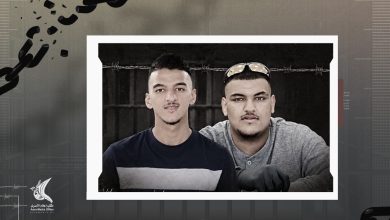
He never had a normal family life with them. For most of Mahmoud’s life, his father has been in prison. In time, Mahmoud went down the same road himself: he has been arrested more than once, most recently on September 17, 2026.
In 2013, Ahmad managed to smuggle a sperm sample out of prison. His twin daughters, Nour and Sundus, were the result. Their father was a prisoner when they arrived. He could not be with his wife when she gave birth, and he missed the small moments fathers share with their children.
A Family That Paid the Price of His Absence
Ahmad did not bear the cost of his imprisonment alone.
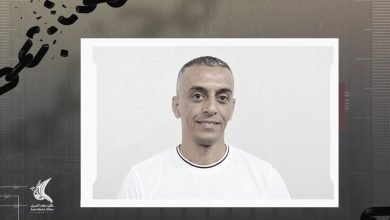
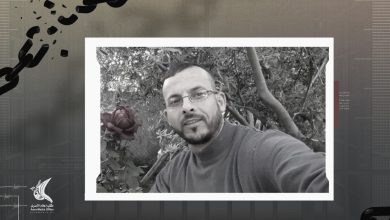
His wife has been arrested, and his son Mahmoud more than once. One brother, Mahmoud al-Maghribi, was martyred. Another, Ali al-Maghribi, a freed prisoner deported to the Gaza Strip, was martyred during the genocide there.
Ahmad stayed in prison as the news kept reaching his family: arrests, martyrdom, deportation. Generations of the family grew up without him.
From Exile to Prison
Ahmad was born in 1974 in Ain al-Hilweh camp in Lebanon. He lived at various times in Lebanon, Syria, and Sudan before returning to Palestine in 1996. He had finished high school and studied business administration. Once back, he began studying engineering, but life on the run and his role in the resistance kept him from finishing.
After his brother Mahmoud was martyred in 2000, Ahmad joined the intifada and was hunted and targeted in assassination attempts before his arrest in 2002.
From then on, his years went to prison, isolation, and deprivation, not to study, work, or family.
Today, His Family Fears for Him
More than two decades into his imprisonment, Ahmad faces a long interrogation without a lawyer, solitary confinement, and a ban on visits. Members of his family are being pursued as well.
The family knows nothing about the interrogation or what is happening to him. They fear for his fate, especially after his long years in isolation and the violations that have marked his imprisonment.
His children grew up while he was behind bars. The twins were born without him there. His wife and son were arrested, and his brother was martyred. Now he faces interrogation and isolation again, and this time his lawyer is not allowed to see him.
For Ahmad, isolation has cut whole years out of his family’s life. It still does, and it is now cutting into what little contact he has left with the outside world and into his right to know what is being done to him.
Twenty-four years on, his imprisonment has not ended. His family does not know what awaits him behind the closed doors of isolation and interrogation.