Pregnant Behind Bars: Reproductive Health as a Site of Punishment in Israeli Prisons
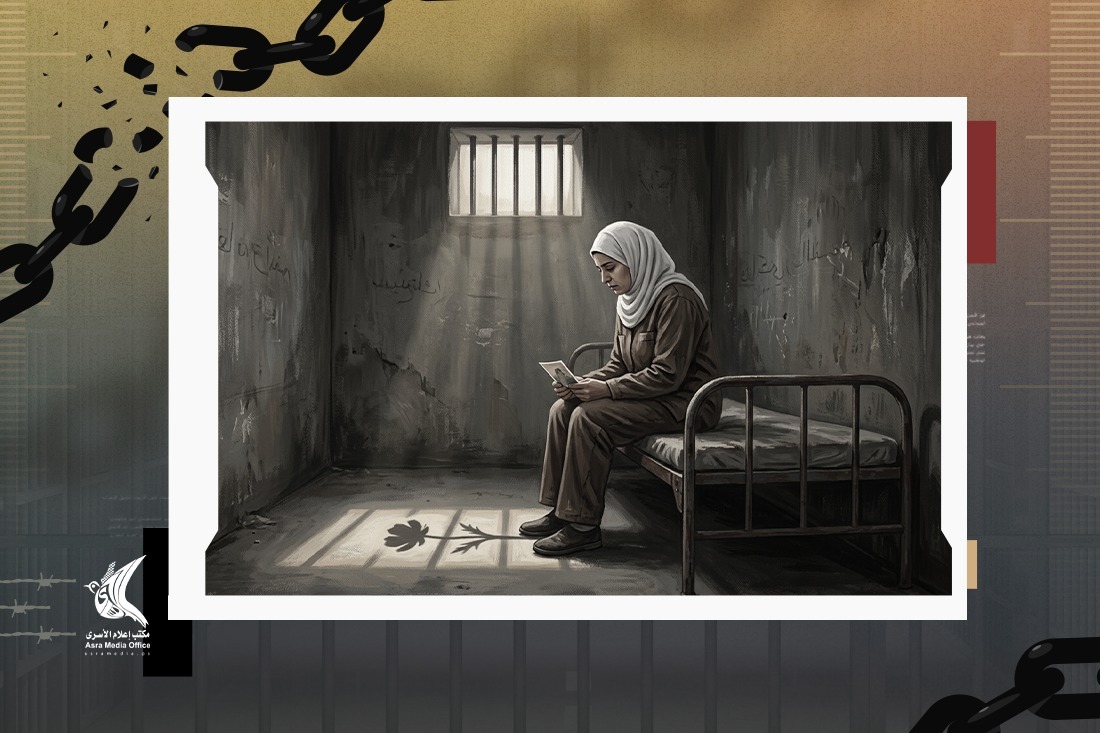
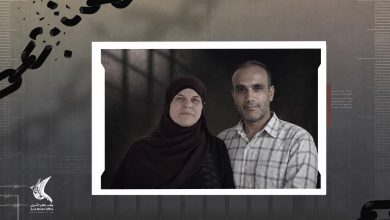
Dana Joudeh was a month pregnant when Israeli occupation authorities jailed her in April. She is now in her sixth month and still behind bars, in harsh conditions. She has scabies. Her family says she is losing weight and suffering from dehydration.
None of this looks like the pregnancy most mothers know.
Dana Anad Sabti Joudeh, 35, is from Iraq al-Tayeh, a town in the Nablus district. At this stage of her pregnancy, she needs regular prenatal care and a balanced diet. Her family says the conditions of her detention fall short of even the bare minimum and is demanding her immediate release to protect her life and her unborn child’s.
She remains at Damon Prison, where those conditions are taking a toll on her health. Every day she spends there, her family grows more afraid. Her release is set for Sept. 15.
Joudeh was arrested on April 19. Her first stop was HaSharon Prison, and she told her lawyer the first night there was “nightmarish” because the place was filthy and the conditions were terrible.
She fainted in those early days and was taken, handcuffed and blindfolded, to a hospital, where she was given a pregnancy test. She was later moved to Damon.
Her case was then converted to administrative detention. An appeal against the order was eventually accepted, which is where the Sept. 15 date comes from.
The date hasn’t eased her family’s worry. They are counting the days, afraid her health will get worse before then. Or that something will happen to her or the baby.
Joudeh caught scabies in prison, her family says, at a stage when a pregnant woman needs a clean, safe environment and ongoing medical care.
She is losing weight. She is dehydrated. Both are warning signs, and more so as the pregnancy advances and she needs enough food and fluids to protect her own health and the baby’s.
The family says the food given to women prisoners doesn’t meet even their basic needs. For Joudeh, that doubles the danger. She is in her sixth month and needs proper nutrition and closer medical monitoring.
Then there is Damon itself. Testimonies from inside the prison describe what the women held there are living with: overcrowding, poor ventilation and no sunlight. Time in the yard has been cut. Showers are restricted, and hygiene supplies are confiscated.
Food is scarce and of poor quality, and the same testimonies say it falls short of the women’s minimum nutritional needs.
All of this has helped skin diseases spread through the prison, scabies and allergies above all. For pregnant prisoners, it is one more cause for alarm.
There are other pregnant women behind bars. Manar Ibrahim Karajeh of Ramallah is six months pregnant, and Baraa Bassam Abu Khadijeh of Tulkarm is four months along.
Their cases give a sense of what pregnant prisoners are up against: they need special care during pregnancy and are being held in places where even basic needs are getting harder to meet.
Her pregnancy had barely begun when she was arrested. She has now spent more than five and a half months in detention, and key stages of the pregnancy have passed in prison, away from her home and family, in conditions her relatives say are unfit for a pregnant woman.
They want her home, her right to health care and safety restored, so that she can carry the rest of the pregnancy outside prison.
At home, her son Fares, 15, is waiting for his mother after more than five and a half months of forced separation. He wants to see her safe. He wants her home before she gives birth to a child who has spent every month of its life so far behind bars.
With Sept. 15 approaching, the family is hopeful she will come home and afraid of what the remaining days will do to her health and the baby’s.
Joudeh is not waiting alone. The child she is carrying is waiting with her, for a chance to be born outside prison.