Administrative Detention and the Disruption of Palestinian Schooling
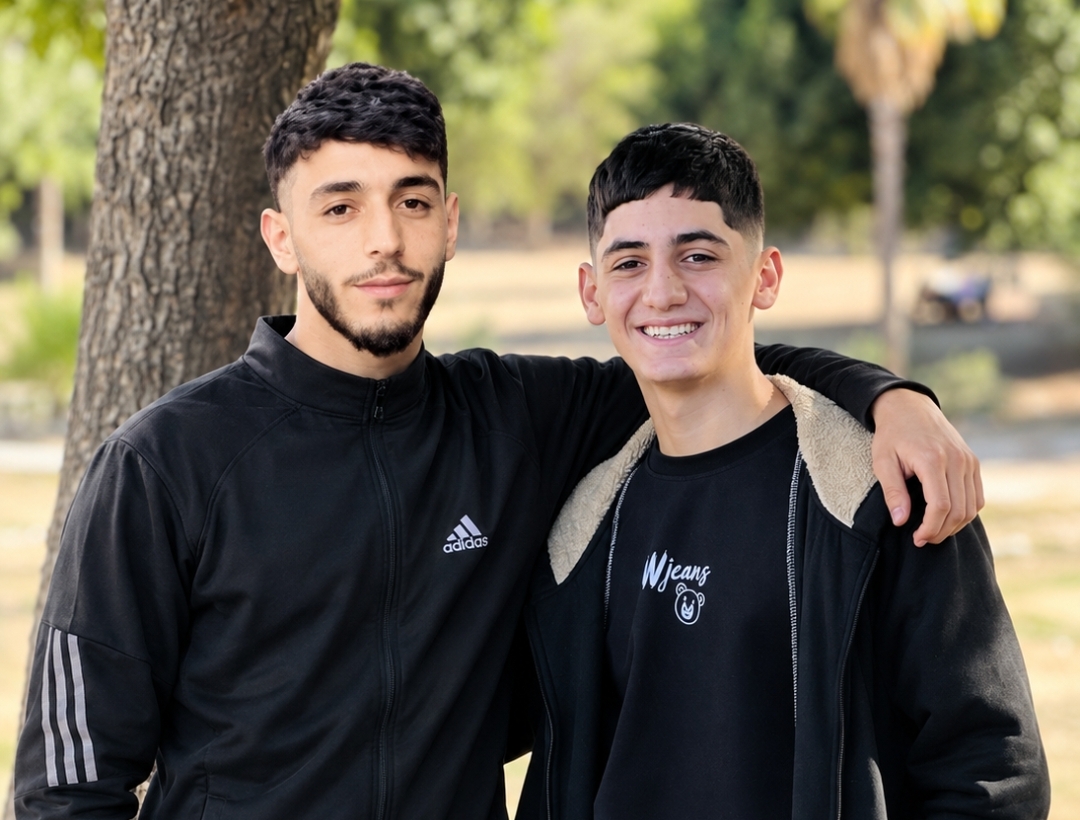
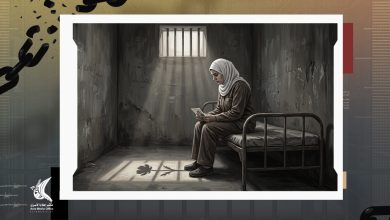
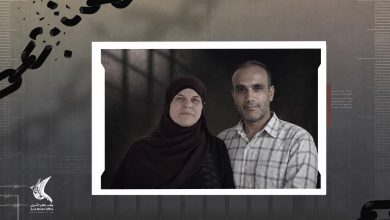
Ramez Sneif has spent about eight months in administrative detention without charge or trial. As school starts in Palestine, his seat sits empty.
Across Palestine, thousands of classroom seats are filling up again. Others stay empty. The students who should be sitting in them are in Israeli detention.
Ramez, from the town of Qarawat Bani Zeid, was preparing to continue high school when Israeli occupation forces arrested him on January 12, 2026. He has been held in occupation prisons ever since. He is cut off from his school, his books, and his classmates at a stage of his education that is supposed to decide his academic future.
The damage goes beyond his education.
In captivity, Ramez has suffered severe weight loss, and his health has worsened, according to information on his case. His family says prisoners in occupation prisons go hungry. Conditions, they say, are harsh.
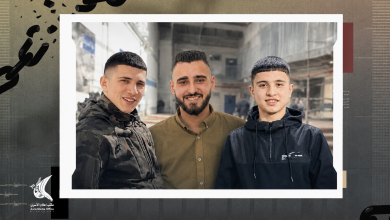
In Tubas governorate, the story is much the same. Yaman Hussam Bani Odeh, 15, from the town of Tammun, has been held in administrative detention since March 15, 2026. His family says the ninth-grader is the youngest prisoner from the governorate. With school back in session, they think about the seat he should be filling.
Yaman should have started the year with his classmates, carrying his books and keeping up with his lessons like any child his age. Administrative detention put an end to that. His school, which had been expecting him back, now marks him absent.
Another seat is on the family’s mind: the one that belongs to Yaman’s martyred brother, Rayan Bani Odeh.
That makes this school year harder to bear. One seat for a prisoner robbed of his freedom and his education. The other for a martyr robbed of his life.
For some Palestinian families, the start of the school year is less about the first bell and children’s backpacks than about counting empty seats and remembering the names of absent children. Detention and martyrdom took them from their desks.
Detention denies students like Ramez and Yaman their basic right to an education and puts their academic futures behind bars. Of all the marks it leaves on the lives of Palestinian children and students, this is one of the most visible. Along with their freedom, the occupation cuts off their schooling. The gaps it opens in their studies, and in their futures, are hard to close.