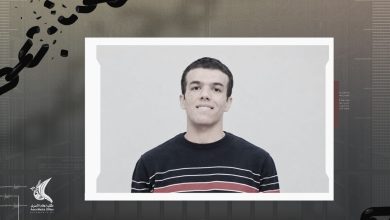
Turning Eighteen in Ofer: Ibrahim Wazwaz and the Administrative Detention of Childhood

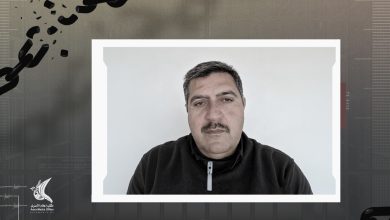
Ibrahim Mohammad Wazwaz was 17 the night occupation forces raided his family’s home in Hebron and told him to hand himself over. Two in the morning, January 4, 2025. He said goodbye to his mother and walked out of the house a child.
He is 19 now.
His family says: “Ibrahim’s detention has been extended four times: twice for four months and twice for six months. We are still waiting for relief. His last administrative detention order is set to end on September 1, 2026, and we hope he will get his freedom then.”
He was still in secondary school, in the science stream. He wanted to finish the tawjihi with high marks and study automotive engineering. The road was open.
Ibrahim spent part of his detention in the juveniles’ section at Ofer Prison, turning over what freedom meant, and the school desk taken from him in a single moment. His 17th year passed behind bars. Then he turned 18, and by the occupation’s count he had left “the age of childhood.” The prison moved him out of the juveniles’ section and into one of the general sections at Ofer. The transfer began another stage of suffering.
Years in prison do not pass the way they pass outside. Ibrahim alone knows what he lived through in them.
The family knows little about his life inside. Not his health. Not whether detention has changed his face or his weight. They know one thing: he caught scabies in prison, and he recovered.
Ibrahim is the eldest son.
He was supposed to be the family’s first joy, its first success. In Palestine the story runs differently. Instead of books and papers, he got administrative detention orders, renewed again and again.
Hundreds of young Palestinians have lost their childhood behind the occupation’s bars. Ibrahim is one of them, one of the tawjihi students denied their desks and their morning assembly, left with the head count, the repression, and the abuse of prison routine. The years drain out of them, day after day.