Killed, Jailed, Disappeared: The Occupation’s War on Palestinian Journalists
Occupation forces have killed more than 260 Palestinian journalists since the genocidal war began and arrested more than 240 others. About 40 are still in prison. Two have been forcibly disappeared.
The numbers
Prisoners’ institutions put the toll at more than 260 journalists killed by occupation fire. They call the targeting systematic, an attempt to silence the witnesses to the crimes.
Arrests climbed alongside the killing. Occupation forces have detained more than 240 journalists from across the Palestinian territories since the war began, among them women reporters, photographers, and field documenters. Others were arrested on accusations of “incitement.”
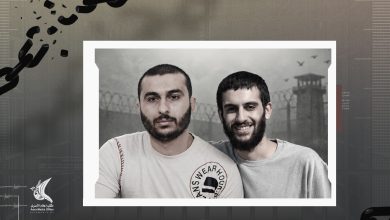
About 40 remain behind bars today. Of those, 20 are held in administrative detention, with no charge and no trial, on a file the occupation keeps secret. That strips them of the most basic fair trial guarantees.
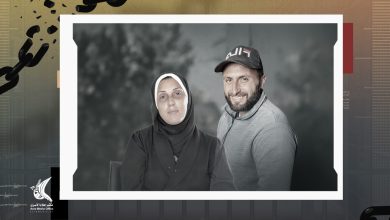
Journalists in Gaza bear the heaviest share. At least 14 of them are held in occupation prisons. Nidal al-Wahidi and Haitham Abdel Wahed have been forcibly disappeared since October 7, 2023. The occupation has never disclosed where it holds them or what has become of them. That is a clear violation of international humanitarian law.
Death in Megiddo, house arrest in Jerusalem
Deliberate denial of treatment killed the journalist Marwan Harzallah inside Megiddo prison in March 2026. He had already lost a leg to an earlier injury.
His death is what the policy of slow killing looks like. Sick prisoners left to deteriorate in the occupation’s jails.
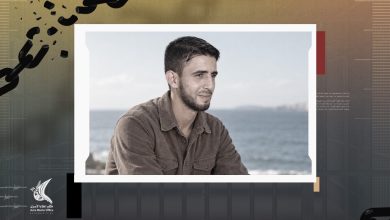
In occupied Jerusalem the occupation reached for a quieter tool. It has placed journalists under house arrest, among them Sumayya Jawabreh and Bayan al-Ju’ba, to restrict their movement and keep them from working.
The tools vary. The target does not.
Inside the cells
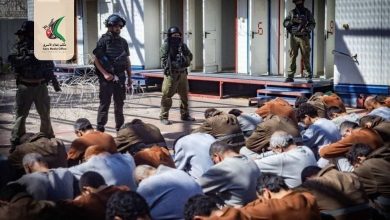
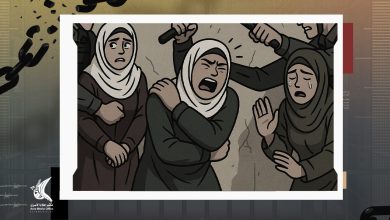
Prisoners’ institutions have documented a whole system of violations behind the walls: physical and psychological torture, systematic starvation, and medical neglect. Solitary confinement for some. Daily humiliation for all, and the denial of the most basic rights.
The occupation draws no line between a journalist and a political prisoner. Journalists are sometimes punished harder, for the very thing they did: documenting the crimes and carrying the truth to the world.
The demand for accountability
What Palestinian journalists are going through amounts to war crimes and crimes against humanity, the Prisoners’ Media Office says: systematic killing, arbitrary arrest, enforced disappearance, and the violations that run alongside them inside the prisons.
It repeats its demands: release every detained journalist, disclose the fate of those forcibly disappeared, and bring those responsible before the international courts and bodies with jurisdiction.
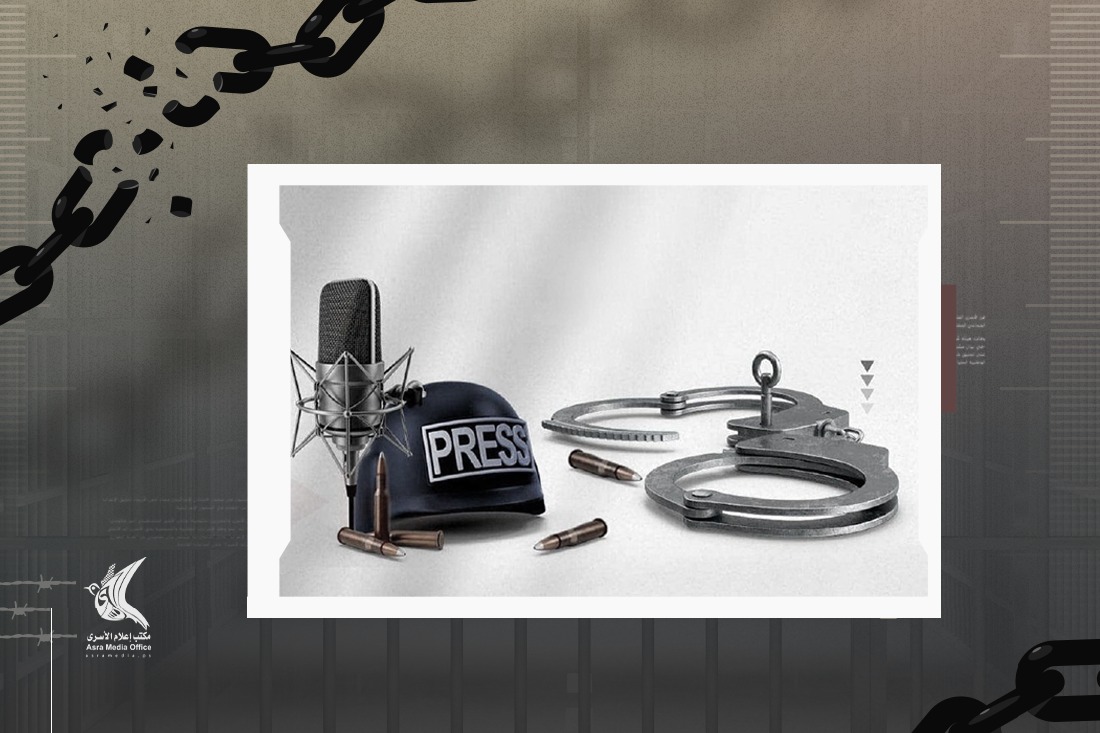
The world has watched this war through the lenses of Palestinian journalists. The camera that filmed the ruins and the microphone that carried the voices of the victims became the evidence the occupation wanted erased, the witness it wanted silenced. By assassination or by arrest.
Who documents the suffering of the people who documented everyone else’s? Who tells the journalist’s story once he becomes the news himself, behind bars?