The Exam Ola Never Sat
The English exam she had stayed up studying for never happened. Instead, soldiers took 16-year-old Ola Qatishat from her family’s home in the early hours, and she has been behind bars ever since.
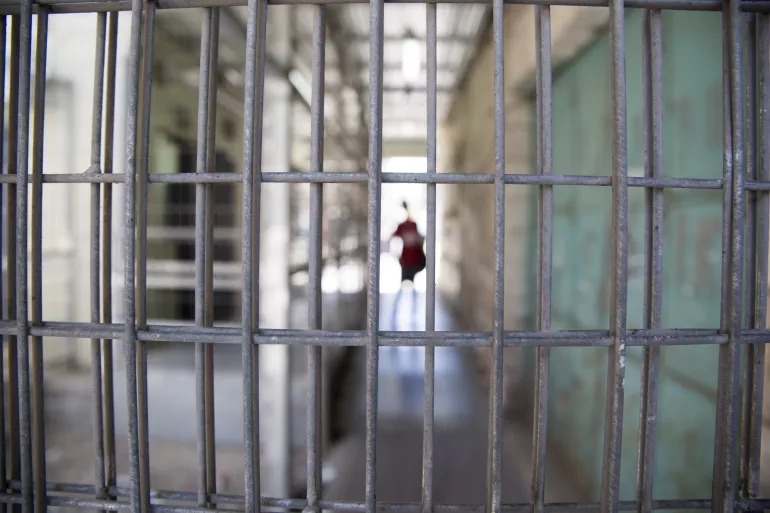
Ola, from the town of Tammun in the Tubas governorate, now sits in a single cell inside Damon prison. Her only company is another child, 17-year-old Nada Iyad Bani Odeh, from the same town. The two girls are held apart from the other women prisoners, alone together in one room.
She had gone to sleep early the night they came for her. The exam was all she could think about. Her sister was in the next room, reviewing for her own General Secondary Examination. Then, at 1:30 in the morning on May 24, 2026, the family woke to a house full of soldiers.
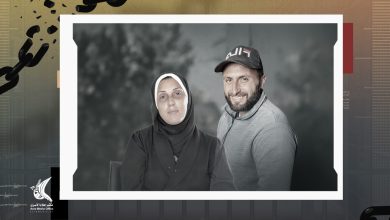
“They didn’t give us a chance to understand what was happening,” the family says. “We rushed to put on our prayer clothes, and then they separated us from each other.”
Ola’s mother panicked and stayed close to her daughter. The soldiers were rough and brutal, her sister says, and they spoke no Arabic, so the family could not understand what they wanted. “They pushed me away from her, then they took photographs of her, and a female soldier was brought in to search us, but we refused. Suddenly I saw them putting my sister in handcuffs. I tried to find out why, and my parents tried to undo the restraints, and I lifted the blindfold they had placed over her eyes. We were all in shock.”
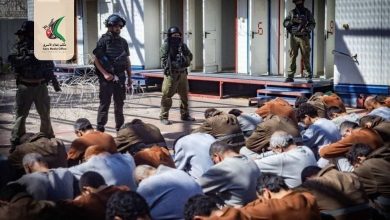
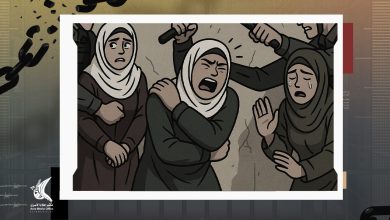
They led Ola away in handcuffs and a blindfold while her family was held to one side. Her sister and parents tried to follow, screaming “She’s a child, bring her back.” The soldiers threw a stun grenade toward them. They ransacked the house and left it damaged.
Her only worry that night had been a school exam. Now she faces a test of a different kind.
Since the arrest, the family has lived in constant fear, because she is a child who has not finished her sixteenth year. Three court sessions have been held during her detention. The last was pushed to July 28, 2026, leaving her fate suspended while she waits for a new decision.
The Prisoners’ Media Office spoke with Ola’s family about her situation and what it means for a child to lose her childhood to detention and to court dates that stretch on with no end in sight.
Her sister carries that night with her even now, as she prepares to sit her own secondary school exams. Ola has been kept from finishing her eleventh-grade exams in the commercial track.
“Ola was excited about my exams,” her sister says. “She was planning a small party after I passed the General Secondary Examination. Now she’s gone from the house, and she’s left a big emptiness behind. My mother is deeply affected by her arrest. I still remember her asking my mother to prepare the maamoul. She even sent a message later asking if we’d made it.”
The family has filed a request to move Ola and Nada out of the cell where they are held alone and into a room with other women prisoners. Ola’s mental state is deteriorating from the isolation, they say, from being denied visits and cut off from direct contact with her family.
Their daughter is patient and strong, the family says. She fought the soldiers and refused to go until the last moment. But she remains a child who needs to come home, to her parents’ arms and to her seat at school, to finish her studies in the commercial track and then go on to study journalism. She wants to defend the rights of the wronged and the powerless, and to leave her mark on her community and her country.