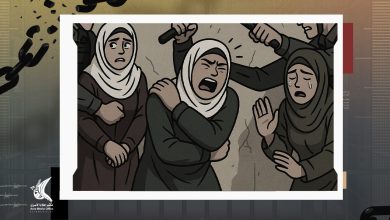
From the Legislative Council to Occupation Prisons: Seven Palestinian Lawmakers Behind Bars
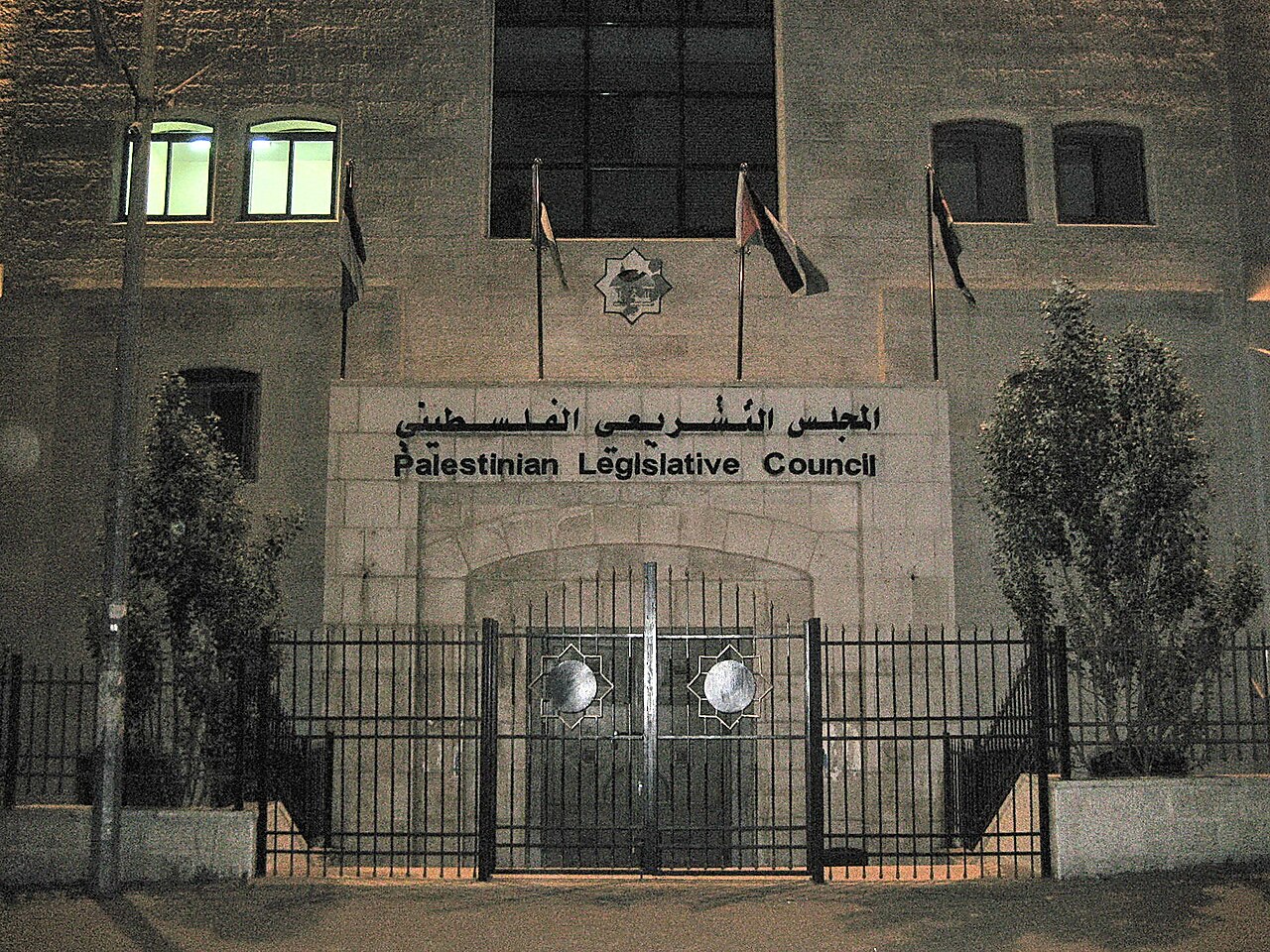
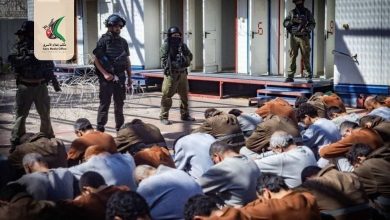
Seven elected members of the Palestinian Legislative Council, all from the West Bank, are held in Israeli occupation prisons. Some serve life sentences. Others sit in administrative detention. They are kept in isolation, denied medical care, and abused.
The arrests reach past activists and national leaders to the very representatives Palestinians elected. Holding them violates parliamentary immunity and international law, including the Geneva Conventions that protect people under occupation and the leaders they choose. It denies them the political rights the law guarantees. The aim is plain: push the figures who shape Palestinian public life off the national stage.
Marwan Barghouti and Ahmad Sa’adat have been held the longest. Keeping them in prison is meant to drive them from public life and cut the broad influence they hold among Palestinians.
Marwan Hasib Hussein Barghouti, 66, from Ramallah, has been held in Israeli prison since April 15, 2002. His arrest that day followed years of pursuit and repeated attempts on his life. Months of interrogation, torture, and solitary confinement came next. In 2004, an Israeli occupation court handed him five life sentences plus 40 years, holding him responsible for operations against occupation targets during the Al-Aqsa Intifada.
His record of arrests goes back decades. Israel first detained him in 1976 and jailed him more than five times in the years that followed. In 1986, wanted by the occupation, he was arrested and deported alongside the martyr Khalil al-Wazir, known as Abu Jihad. He returned to Palestine in 1994, won a seat on Fatah’s Revolutionary Council, then became the movement’s secretary in the West Bank. In 1996, he entered the Palestinian Legislative Council.
Ahmad Sa’adat, 72, also from Ramallah, is serving a 30-year sentence. Occupation forces seized him from Jericho prison on March 15, 2006.
The occupation keeps him in constant isolation and abuses him, revenge for his standing as a national symbol and his influence among prisoners and across Palestinian society. Prison authorities deny him proper treatment and the follow-up care he needs. They move him from one isolation unit to another despite his age and failing health. The policy is built to drain him, body and mind.
Occupation forces raided the home of Nasser Abdul Jawad, 57, in Deir Ballut, west of Salfit, on August 21, 2025. They abused him as they took him into custody. A well-known figure in political and religious life, he has spent close to 20 years in occupation prisons across repeated arrests. His time in prison began in 1993 with 12 unbroken years. More arrests followed, most of them after he won the Salfit seat in the 2006 Legislative Council elections, and again when he ran on the “Jerusalem Is Our Promise” list in 2021.
From Salfit too, occupation forces arrested Omar Abdul Razek Matar, 68, on November 2, 2025. Matar, a noted political and academic figure, has spent more than seven years in occupation prisons, most of that time in administrative detention.
Anwar Zboun, 58, from Bethlehem, has been held since August 17, 2025. Repeated arrests have marked his recent years, much of that time spent in administrative detention.
Mohammad Jamal al-Natsheh, 68, from Hebron, is one of the most serious medical cases among the detained lawmakers. Occupation forces seized him again on March 11, 2025. A harsh interrogation followed. His health worsened, and he was hospitalized.
Arrested many times before, al-Natsheh has spent 23 years in occupation prisons, most of them in administrative detention. He is among the most prominent national leaders in the Hebron governorate.
Occupation forces arrested Abdul Rahman Fahmi Zeidan, 66, an engineer from Deir al-Ghusun north of Tulkarm, on June 14, 2025. The arrest came during a broad raid across the governorate that swept up other prominent national figures. A leading figure in the area’s national and Islamic activism, Zeidan won his Legislative Council seat in 2006.
Taken together, the arrests are a direct intrusion into Palestinian affairs and an attack on the institutions Palestinians elected. They pull influential political and social figures out of public life, weaken their presence in society, and upset the political balance these leaders hold across Palestinian governorates.