Lama Khatir: The Cost of a Free Voice
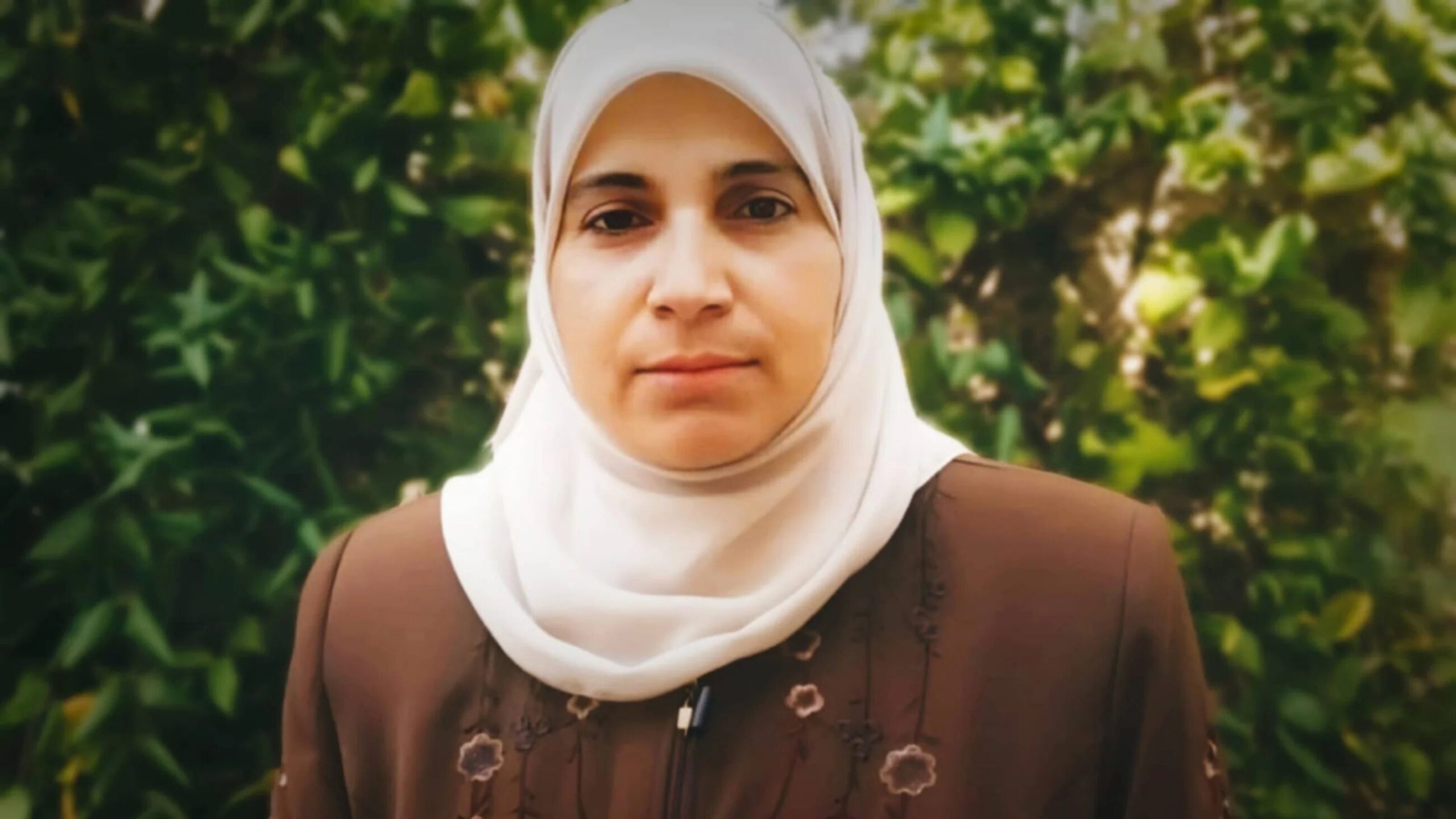
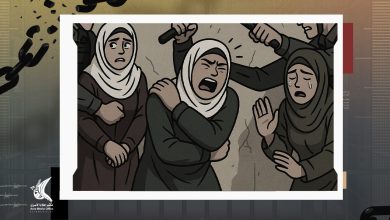
Lama Khatir, a 50-year-old writer from Hebron, has been held at the Moskobiyeh interrogation center in Jerusalem since late March, denied the eyeglasses she depends on. Without them she suffers severe headaches. In her cell, day and night blur into one. Her jailers have met her with beatings, insults, and the confiscation of her glasses, a tactic the occupation uses to break prisoners down.
Her family confirms she remains there alongside the prisoner Duaa al-Battat.
The occupation raided her Hebron home on March 24, 2026, and arrested her, returning her family to a wait they already knew well. She had won her freedom in her previous detention through the Tufan al-Ahrar prisoner exchange.
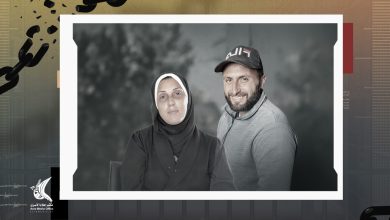
The Prisoners’ Media Office reached her husband, the freed prisoner Hazem al-Fakhouri, for word on her condition.
Al-Fakhouri says his wife is still held at the Moskobiyeh with Duaa al-Battat, after the rest of the women detained with them were moved out. The occupation seized her medical glasses despite how badly she needs them, and her lawyer told him this has left her with severe headaches. The family is now trying to reach Physicians for Human Rights to help her win back the right to wear them. The lawyer also reported that she has faced beatings and verbal abuse, held in harsh conditions where day and night run together.
On March 30, 2026, days after the arrest, the occupation moved her file to administrative detention. No charge was named. The pretext was a “secret file,” the standard formula in administrative detention cases.
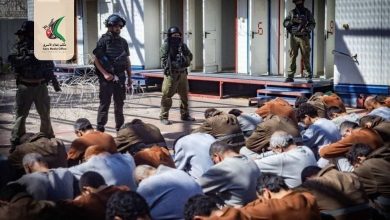
She is now one of 24 women held in administrative detention, according to the Prisoners’ Media Office. The occupation issued a four-month order against her, renewable without limit. A hearing was held to confirm the detention, and no ruling has come.
Khatir had been through two earlier detentions, bringing her total to three and roughly 14 months behind bars. Her most recent release came in the Tufan al-Ahrar deal.
The occupation keeps pursuing her through arrest, part of a policy meant to silence her. Her earlier detentions came over her writing and her media work documenting her people’s suffering. She once said the interrogation had made clear the occupation was reading her words closely.
Khatir is known for her free voice as a writer and as an activist on women’s issues and Palestinian political analysis. In arresting her, the occupation is targeting freedom of opinion and expression. It holds her with no indictment and no clear limit on the detention, all the more so under the state of emergency in place since October 7.
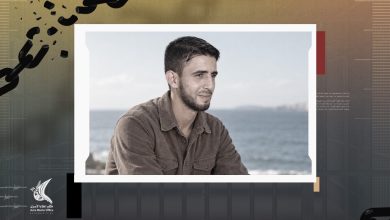
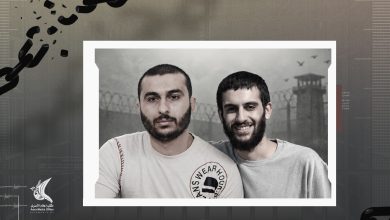
Her household has paid a heavy price, its members absent again and again, denied any stability. Al-Fakhouri was arrested three times and spent three years in detention in all, and he says the worst came after October 7. Their son Osama was held for two years, through repeated raids on the home.
The family stands as a model of a resistant household: father, mother, and son all detained, the children raised on pride, dignity, and the free word. The arrests and the raids keep coming, and the family draws its strength from its faith in its principles and in God’s will over all things.