Munir al-Arouj: Years Lost to Administrative Detention and Night Raids
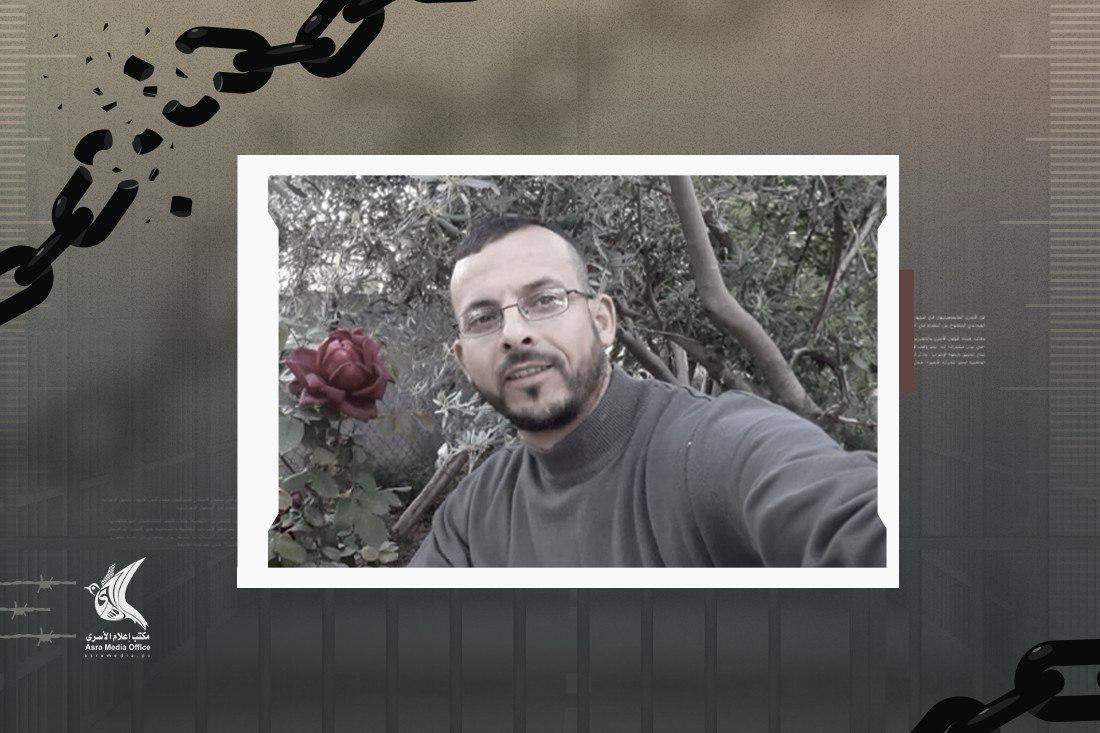
Munir Muhammad Mahmoud al-Arouj has lost 20 kilograms since Israeli forces took him from his home on September 6, 2025. The 41-year-old father of two, from al-Arouj village east of Bethlehem, is held in Gilboa prison under administrative detention, no charges filed. An occupation court renewed his six-month order on February 25, 2026.
He is one of about 3,442 Palestinians now held in administrative detention in Israeli occupation prisons. The military issues these orders from secret files. No charges. No trial. No end date. Since October 7, 2023, its use has expanded sharply, with open-ended orders pulling young Palestinian men out of public life for years at a time.
His family knows the routine by heart. Military jeeps at the door. Soldiers shouting outside. Fists on the walls. The raids come nearly every month, always with threats, always with searches.
Under the emergency conditions imposed on prisons since October 2023, families hear almost nothing about their relatives inside. Released prisoners are the only source. The Prisoners’ Media Office contacted al-Arouj’s family to document his case.
His family says:
“He is a patient, hardworking young man. He never got the chance to finish his education because of the repeated arrests and harassment. He chose honest work and became a construction worker to support himself and his family with dignity.”
Israeli forces first arrested al-Arouj in 2002, while he was still in high school. That arrest ended his studies. More administrative detention orders followed. He was detained again in 2014 and held until 2016. By the time of his latest arrest, he had already spent four and a half years in Israeli prisons.
He married in 2017. The raids kept coming.
On September 6, 2025, soldiers seized him from his home in front of his wife and children. His family says:
“Munir was interrogated for a full month, until October 5, 2025, when a six-month administrative detention order was issued against him. On February 25, 2026, the occupation court renewed his order for the same period.”
He was moved from Ofer prison to Gilboa on November 4, 2025, and remains there.
At home, his two children, Bara’a and Iba’a, ask about their father constantly. They have learned what night raids mean, what arrest means, what “administrative” means. They learned these words before they should have had to.
His health is stable apart from the weight loss, his family says. He has dropped around 20 kilograms under the starvation policy enforced in occupation prisons. Family visits remain banned.
His family describes him as a man whose patience does not break. They believe his release is near, and that he will come home to Bara’a and Iba’a soon.