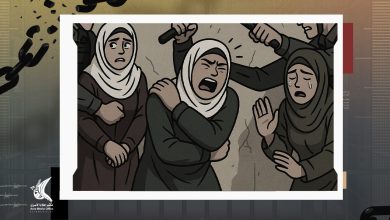
On Mother’s Day, Palestinian Mothers Behind Bars
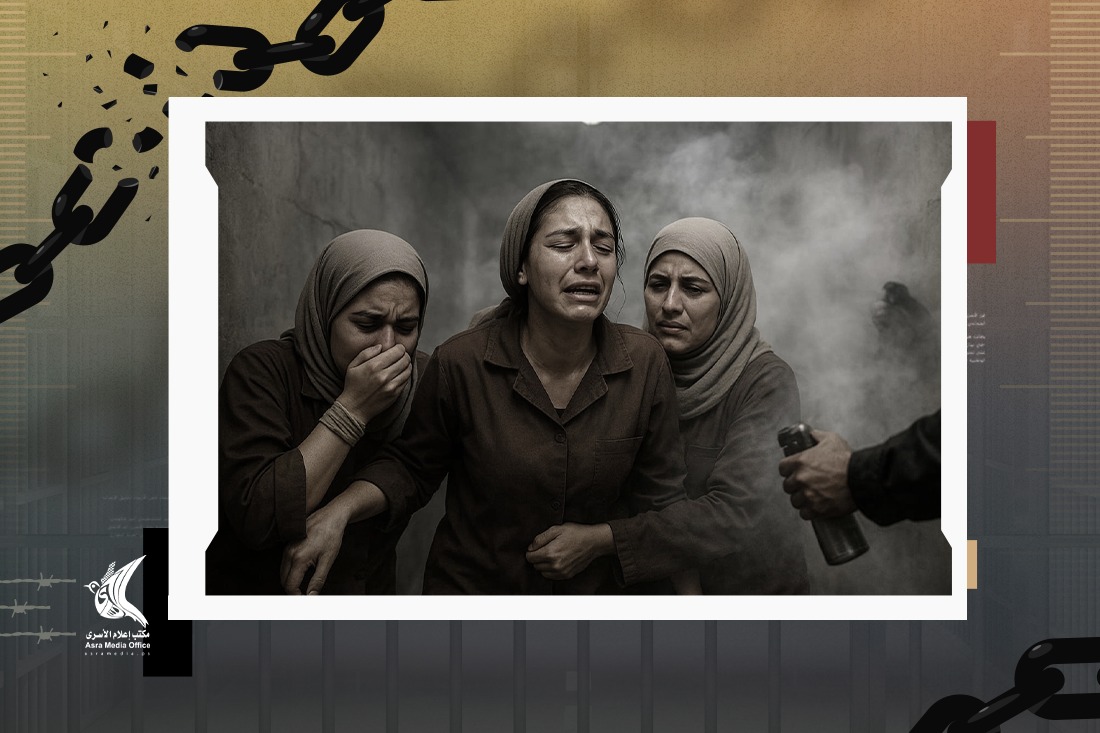
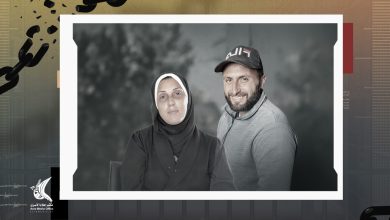
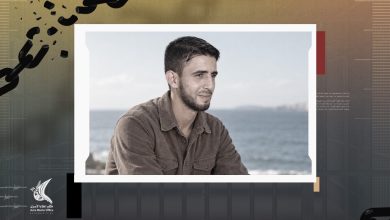
Three Palestinian mothers are locked in Israeli occupation prisons this Mother’s Day, unable to hold the children growing up without them. One has an 8-year-old daughter who lost both parents to administrative detention within months of each other. Another was arrested on her way home from a hospital where her mother lay dying. A third has not held her two sons in more than six years.
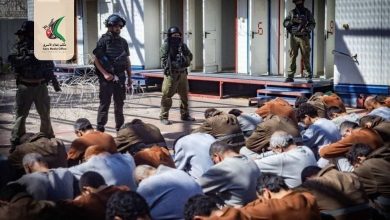
Since the war began on October 7, Israeli forces have arrested tens of thousands of Palestinians across the West Bank, Gaza, and the occupied interior, including roughly 500 women. Some are mothers. Some are held as leverage, used to break the will of their families.
Aseel Abd al-Kareem Hammad
Aseel Abd al-Kareem Hammad, 34, from Beit Furik east of Nablus, was arrested on June 3, 2025. Her daughter Ilyaa, 8, has lived in a state of shock ever since. She does not understand what administrative detention means. She does not understand why her mother cannot come home.
Aseel’s detention order has been renewed twice, four months each time. Under the wartime rules now in effect, there is no cap on renewals.
Ilyaa’s father, Musab Mleitat, has been held in administrative detention since September 21, 2025. The girl now has no mother and no father. Relatives care for her, but they cannot fill what her parents left behind.
Banan Jamal Abu al-Haija
In Tulkarm, four children wait for their mother. Tuqa, Jana, Hamza, and Ghuna are the children of Banan Jamal Abu al-Haija, 40, a lawyer arrested on May 7, 2025, and held under open-ended administrative detention since.
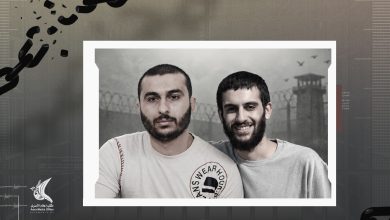
Imprisonment runs through the Abu al-Haija family. Banan’s brothers, Abdel-Salam and Asem, have each spent more than two years in administrative detention, their orders renewed again and again. Her father, Sheikh Jamal Abu al-Haija, has been in prison since 2002, serving nine life sentences plus 20 additional years.
Banan was on her way home from the hospital when soldiers seized her. She had been sitting with her sick mother, who died five days later. She had been rushing back to Tulkarm to check on her ill daughter. No charge has been filed. No indictment exists.
Her children have a loving father, an aunt, and relatives around them. They still feel her absence every morning, at the hour she used to get them ready for school. They will feel it through Ramadan and the coming Eid. From her cell, Banan worries constantly: what did they eat, what did they wear, how are they spending their days.
Aya Khatib
Aya Khatib, 33, from the village of Arara, was arrested on February 17, 2020. She spent one year and two months in detention, then two years and three months under house arrest, moving between three villages. On August 15, 2023, the Israeli Central Court in Haifa sentenced her to four years.
Her two sons, Mohammed al-Fatih, 14, and Abdel-Rahman, 11, count the days. They used to watch her during court hearings on Zoom, the sound broken and unclear, trying to talk to her through gestures. They dream of hugging her, of the cake they will bring to celebrate her release, of getting back some piece of the childhood that was taken from them.
A War on Palestinian Women
The past months have been brutal for Palestinian women. Abuses have worsened as part of a war of genocide targeting Palestinians across the West Bank, Gaza, and the occupied interior. Imprisoned women, mothers among them, face daily abuse. The international community has done nothing.
The arrest pattern repeats itself. Soldiers storm homes at night, pulling mothers from their children at gunpoint. The children scream. The abuse continues through transport and interrogation: insults, psychological pressure, and physical force.
Since October 7, imprisoned women have been sealed off from the outside world. The International Committee of the Red Cross has been barred from visiting. Lawyers face deliberate obstruction. The women sit alone in their cells, cut off from everyone.
In interrogation centers, women are forced to stand for hours, denied sleep and food. They are threatened with violence to coerce confessions. Many cannot see their lawyers.
Damon Prison
Damon Prison holds the vast majority of Palestinian women prisoners. Since October 7, conditions have grown far worse.
Women endure constant assault, solitary confinement, and organized abuse by suppression units. Guards confiscate personal belongings. Some sleep on cold floors for lack of blankets or clothing. In freezing weather, they remain in the same clothes they wore the day they were arrested.
The prison administration withholds food, barring women from the canteen and serving portions barely enough to keep them alive. Medical care is denied or delayed as a matter of policy.