Occupation Checkpoints Target Journalists to Suppress the Truth and Silence the Palestinian Narrative
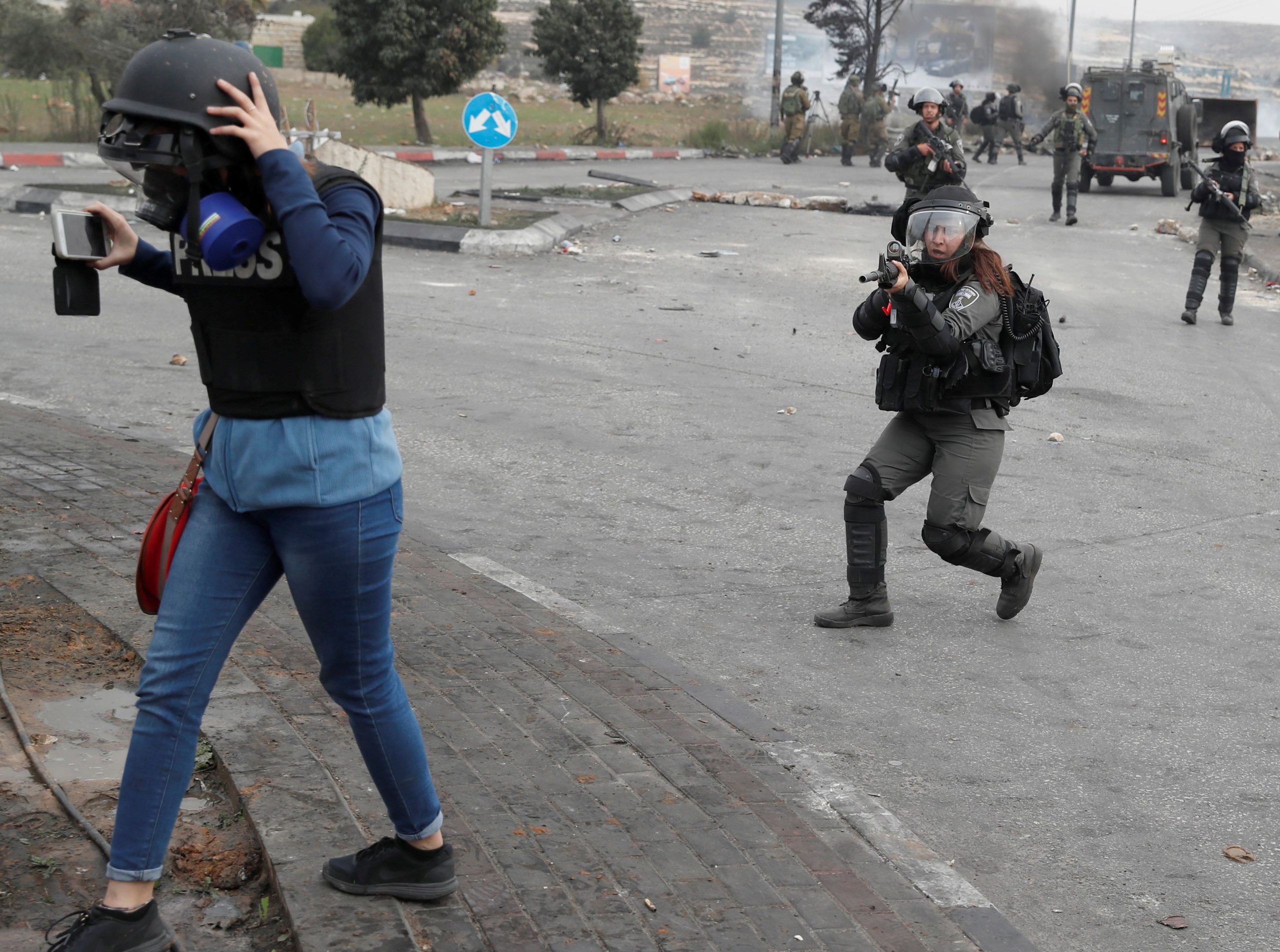
Israeli occupation authorities deliberately arrest Palestinian journalists and media workers as part of a systematic policy designed to intimidate them, force them from the field, and prevent them from covering and exposing the occupation’s crimes against the Palestinian people.
The occupation carries out this arrest policy against journalists across all areas of the occupied Palestinian territories. Military checkpoints are among the most prominent tools used to hunt journalists, either by abducting them, detaining them for hours, or subjecting them to abuse before releasing them or transferring them to formal detention.
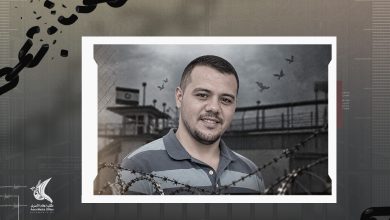
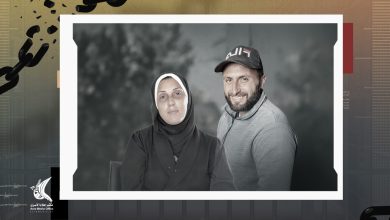
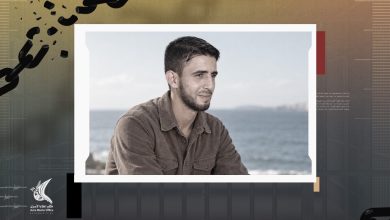
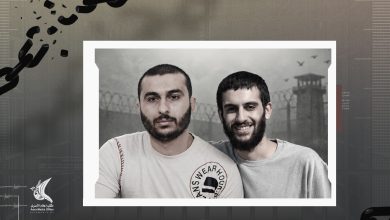
The latest victims of these checkpoints are journalist and freed prisoner Bushra al-Tawil and journalist Hatem Hamdan, both arrested by occupation forces as they passed through the Ein Sinia military checkpoint, erected on Palestinian land north of Ramallah.
The arrests of al-Tawil and Hamdan bring the total number of journalists held in occupation prisons to 42. Three journalists from the Gaza Strip remain forcibly disappeared with no information about their fate: Nidal al-Wahidi, Haitham Abdel Wahid, and Ahmed Issam al-Agha.
The family of journalist Bushra al-Tawil reported on Friday that the occupation army had summoned her for interrogation at Salem military camp, built on Palestinian land in Jenin. Shortly before she arrived, she was informed the interview had been canceled. Soldiers then arrested her on her way back to Ramallah at the Ein Sinia military checkpoint and transferred her to the detention facility known as al-Maskobiyya.
Al-Tawil is from the city of al-Bireh. A freed prisoner, she has spent more than five years in occupation prisons across multiple arrests. She was released on January 20, 2025, as part of the latest prisoner exchange deal.
Separately, occupation forces arrested journalist Hatem Hamdan from the city of Tulkarm as he passed through the Ein Sinia military checkpoint. He was transferred to the occupation police station known as “Binyamin.”
The occupation army stopped Hamdan’s vehicle. Hamdan, who works with Al Jazeera Mubasher, had his car searched before being arrested and having the vehicle confiscated. His arrest was not reported until roughly 24 hours later; he had effectively vanished for an entire day with no announcement of his detention.
The targeting of journalists is part of the occupation’s effort to keep them away from the scenes of killing and destruction it inflicts on Palestinians, and to prevent them from conveying the truth to global public opinion, in an attempt to silence voices that expose the occupation’s crimes.
Since October 7, 2023, approximately 220 cases of arrest and detention of Palestinian journalists and media workers have been recorded.
Roughly a month earlier, occupation forces detained journalists Mutasim Saqf al-Heit and Karim Khamayseh at a checkpoint erected near the entrance to the Faculty of Commerce at Birzeit University.
Detained journalists endure harsh conditions, on par with those faced by all prisoners, under ongoing policies of abuse, deprivation, torture, starvation, and medical neglect. The health of imprisoned journalist Ali al-Samoudi has recently deteriorated severely, with warnings that he faces risk of death while held under administrative detention.
The Palestinian Journalists Protection Center (PJPC) confirmed that the occupation continues its policy of comprehensive media suppression through the killing and arrest of journalists in Gaza, the West Bank, and Jerusalem, in an effort to erase the Palestinian narrative and block media coverage of its violations.
The center revealed that the occupation holds 21 journalists under administrative detention without charge sheets or defined detention periods, in flagrant violation of international standards, particularly Article 9 of the International Covenant on Civil and Political Rights, which prohibits arbitrary detention and guarantees every person’s right to know the reasons for their arrest and to be brought before a fair trial.