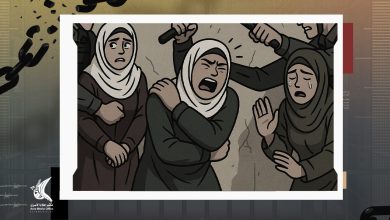
The Rakevet Section: A Graveyard for the Living and a Recipe for Death
The Palestine Center for Prisoner Studies has described the Rakevet section, where the Israeli occupation holds hundreds of Palestinian prisoners from Gaza, as a graveyard for the living, a place where prisoners face slow death with every passing moment.
Rakevet is a new underground section the occupation built inside Nitzan Prison in the city of Ramla, designated for Gaza prisoners classified by occupation authorities as “very dangerous.” The section is sealed off entirely from the outside world. No sunlight enters. No fresh air reaches it. Prisoners have no access to any form of communication, whether radio or television. Even clocks are banned.
The center said that holding prisoners in Rakevet amounts to a ready-made recipe for death. Under the occupation’s repressive measures and relentless abuse, prisoners are stripped of every basic necessity of life. The aim, the center stated, is to plant despair and break their will, to crush their humanity.
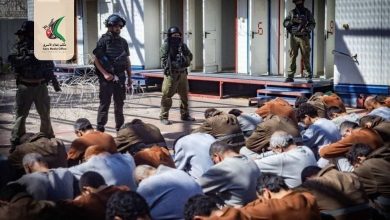
The occupation treats these prisoners as numbers, not human beings. Authorities deliberately escalate repression through constant raids on cells, severe beatings, and dragging prisoners across the ground. Prisoners are thrown face-down on cold floors for hours at a time, their hands bound behind their backs with tight restraints that cause wounds and lasting pain.
Prisoners in Rakevet face genuine starvation. The occupation provides only minimal quantities of food, devoid of any protein or vitamins their bodies could use. Their bodies have visibly wasted away. These conditions have created fertile ground for the rapid spread of disease, compounded by a policy of deliberate medical neglect that denies treatment to sick prisoners.
The center revealed that occupation forces remove all mattresses and blankets from the cells each morning and return them only at night. For the hours in between, prisoners are left on bare cold iron beds or on the floor. The cold and persistent humidity that pervade the underground section cause severe back pain.
Suppression units assault prisoners on a regular basis. The beatings frequently result in broken ribs and fractured fingers. Prisoners who report these abuses to lawyers during visits are threatened with solitary confinement and intensified beatings. Lawyers are strictly warned against conveying any information to prisoners about events outside the prison walls; those who do are threatened with bans on future visits.
The occupation also denies prisoners in Rakevet basic hygiene supplies, fueling the spread of disease. Scabies has infected most prisoners in the section, covering their skin with ulcers and boils. Prison authorities refuse to provide treatment, compounding their suffering.
Many prisoners in Rakevet arrived with existing injuries. They were transferred directly from the point of injury to interrogation centers and then to the section without receiving adequate medical care at any stage. These wounded prisoners endure severe health conditions and face slow death with no real treatment provided. Their pain worsens sharply during the winter months in the biting cold of the underground cells.
The occupation has imposed a complete ban on family visits for prisoners in Rakevet. Lawyer visits are restricted to a small number of prisoners and subject to severe conditions. Prisoners are allowed into the outdoor exercise yard for no more than half an hour, and authorities frequently revoke even this as a punitive measure.
The center stressed that these brutal conditions and the systematic abuse prisoners endure in Rakevet pose an immediate threat to their lives. Any one of them could die at any moment, particularly the sick and wounded who receive no medical care inside the prison.
The Palestine Center for Prisoner Studies called on international institutions and the International Committee of the Red Cross to form a human rights committee to visit the Rakevet section, examine the conditions prisoners endure, halt the ongoing destruction of their lives and health, and pressure the Israeli occupation to shut down a facility where clear war crimes are being committed in violation of all international human rights rules and conventions.