Fifty Women Prisoners Confronting Daily Repression, Harsh Cold, and Isolation
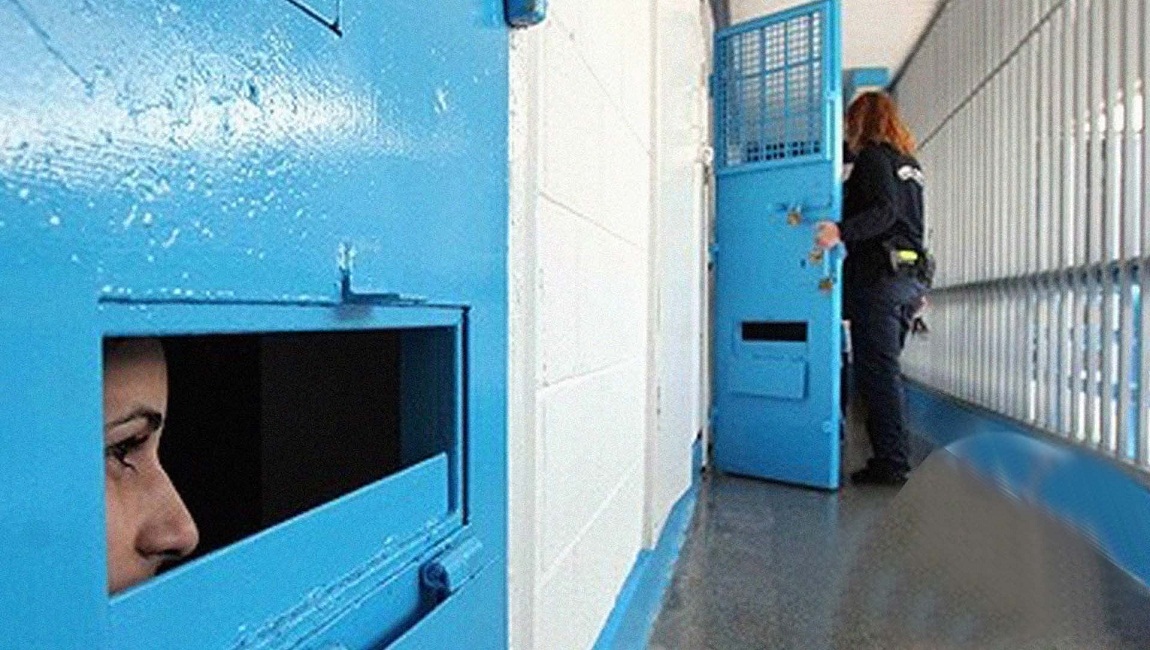
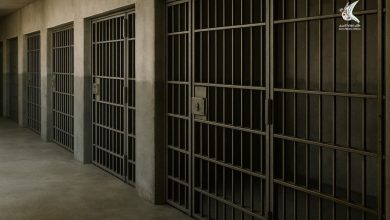
In one of the most severe manifestations of violation, approximately fifty Palestinian women prisoners in Damon Prison face an exceptionally dangerous detention reality that extends beyond mere deprivation of liberty to constitute systematic targeting of human dignity. Behind closed walls, these women prisoners are subjected to a continuous series of repressive and punitive measures, including sudden raids, deliberate medical neglect, and acute shortages of food and clothing. Under such harsh conditions of detention, imprisonment has been transformed into an open-ended daily ordeal in which the most egregious forms of psychological and physical pressure are practiced, in flagrant violation of international humanitarian law and international conventions concerning the protection of prisoners.
Inhumane Detention Environment
The women prisoners in Damon Prison live in a constant state of fear and tension resulting from repeated raids on the sections, carried out at various times throughout day and night without prior warning. Recent testimonies received by the Prisoners’ Media Office confirm that these raids have become an established policy aimed at maintaining the prisoners in a state of perpetual psychological exhaustion.
The women prisoners suffer from:
- Severe overcrowding within the rooms, with each room holding numbers exceeding its capacity.
- Acute shortage of beds, forcing some prisoners to sleep on the floor.
- Noticeable weight loss resulting from malnutrition and the poor quality of food provided.
- Complete absence of privacy and restriction of movement within the sections.
Repeated Repression and Security Escalation
According to recent testimonies received by the Prisoners’ Media Office, Damon Prison witnessed four consecutive repression operations within a single month alone, without clear justification.
The most recent repression operation directly targeted a number of rooms, during which:
- Prisoners were forcibly removed to the prison yard.
- They were compelled to sit on the ground in severely cold weather.
- Hijabs were forcibly removed from the prisoners in a degrading scene.
- Sound grenades were deployed, and police dogs accompanied the repression operation.
- Injuries and bruises to the lower limbs were documented as a result of beatings.
Testimonies confirm that this repression forms part of a deliberate policy aimed at breaking the will of the women prisoners and maintaining them in a permanent state of insecurity.
Harsh Living Conditions
Recent testimonies indicate a serious deterioration in living conditions, the most prominent manifestations of which include:
- Acute shortage of winter clothing and blankets, despite the bitter cold weather.
- Windows kept permanently open, compounding the suffering of the prisoners during the winter season.
- Provision of extremely cold water in the bathrooms without consideration of weather conditions.
- Irregular outdoor exercise periods, often reduced to less than one hour.
Medical Neglect and Basic Needs
The women prisoners suffer from a severe shortage of basic feminine necessities, primarily sanitary pads, despite repeated requests that have received no response from the prison administration.
Medical neglect emerges as a general policy, whereby only basic painkillers are provided regardless of the health complaint, without diagnosis or follow-up. This practice exacerbates health conditions and compounds both physical and psychological suffering.
Position of the Prisoners’ Media Office
The Prisoners’ Media Office considers the treatment of women prisoners in Damon Prison to constitute grave and systematic violations of international humanitarian law, representing a clear example of collective punishment policies and organized retaliation against Palestinian women prisoners.
The Office affirms that the continuation of repression, poor conditions of detention, deliberate medical neglect, and deprivation of basic needs poses a genuine and immediate danger to the lives and psychological and physical wellbeing of the prisoners.
The Prisoners’ Media Office holds the occupation authorities fully responsible for any health deterioration or harm that may befall the women prisoners, and calls upon international human rights and humanitarian institutions, foremost among them the International Committee of the Red Cross and the Human Rights Council, to take urgent action and apply serious pressure in order to:
- Immediately halt repression campaigns and raids.
- Improve living and health conditions within the prison.
- Provide winter clothing and basic necessities, particularly feminine hygiene products.
- Guarantee the minimum standard of human dignity for the women prisoners, in accordance with the provisions of international conventions.