Prisoners in Southern Israeli Detention Facilities Suffered Frostbite During Recent Cold Wave
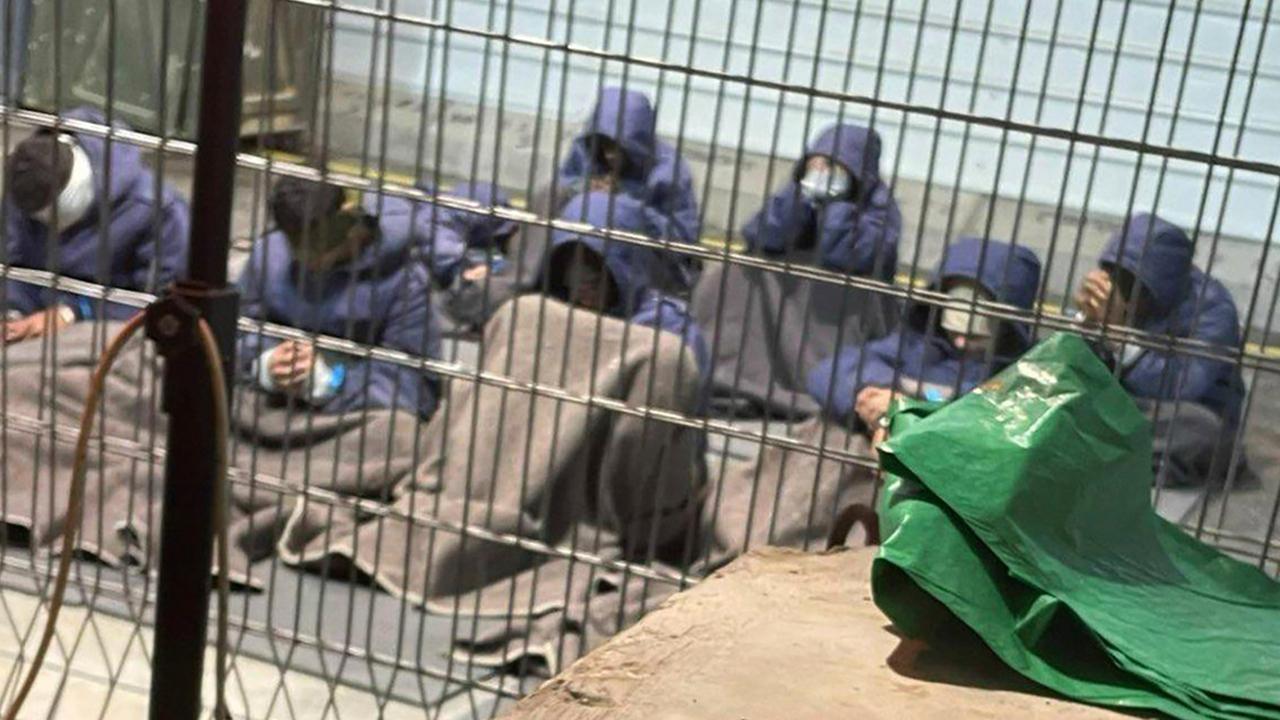
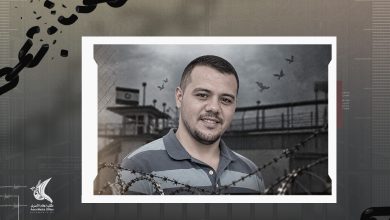
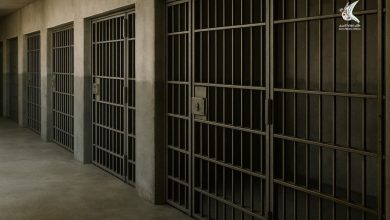
Prisoners held in detention facilities in Israel’s Negev desert suffered frostbite during the recent winter storm, the Palestine Center for Prisoner Studies has confirmed. Temperatures dropped to near zero as rain pounded the region, but prisoners had no heating, no winter clothing, and no blankets, deprivations that have persisted since the war on Gaza began.
The affected facilities include Negev, Nafha, and Ramon prisons, along with military detention camps established during the war, most notably Sde Teiman. Together, these sites hold roughly half of all prisoners in Israeli custody.
Negev Prison has seen the worst conditions, according to the Center’s director, researcher Riad Al-Ashqar. More than 2,500 prisoners are held there, with some sections still relying on tents. Rainwater seeped through the fabric, damaging prisoners’ few belongings and clothing. Many detainees, particularly those arrested recently, have only the clothes they were wearing when they were taken into custody. Hot water has been cut off under directives from National Security Minister Itamar Ben Gvir.
The crisis stems from a state of emergency declared across all Israeli prisons on October 7, 2023, which imposed complete isolation from the outside world. Family visits, lawyer visits, and visits from the International Committee of the Red Cross have all been banned. For more than two years, no clothing or blankets have been permitted to enter, not from families, not from humanitarian organizations.
“Prisoners fundamentally suffer from harsh detention conditions and are deprived of all basic necessities of life,” Al-Ashqar said. “The weather conditions multiply their suffering significantly.”
The cold has created conditions ripe for illness. Influenza, coughs, fevers, and respiratory congestion have spread through the facilities, but the prison administration provides no treatment. Prisoners once relied on available herbs like chamomile and sage to treat themselves, but these too have been unavailable since visits were suspended.
Al-Ashqar noted that the prisons have never been adequately prepared for winter, making the season a recurring hardship. But this year has been worse than any before. Adding to prisoners’ misery, authorities have forced detainees outside during early morning hours in bitter cold for what officials describe as security inspections.
The Palestine Center called on international human rights organizations to intervene, form committees to visit the prisons, assess conditions firsthand, and pressure Israeli authorities to reinstate the visitation program suspended more than two years ago.