Detention After Sentence Expiry: the Case of Ahmed Abu al-Nour
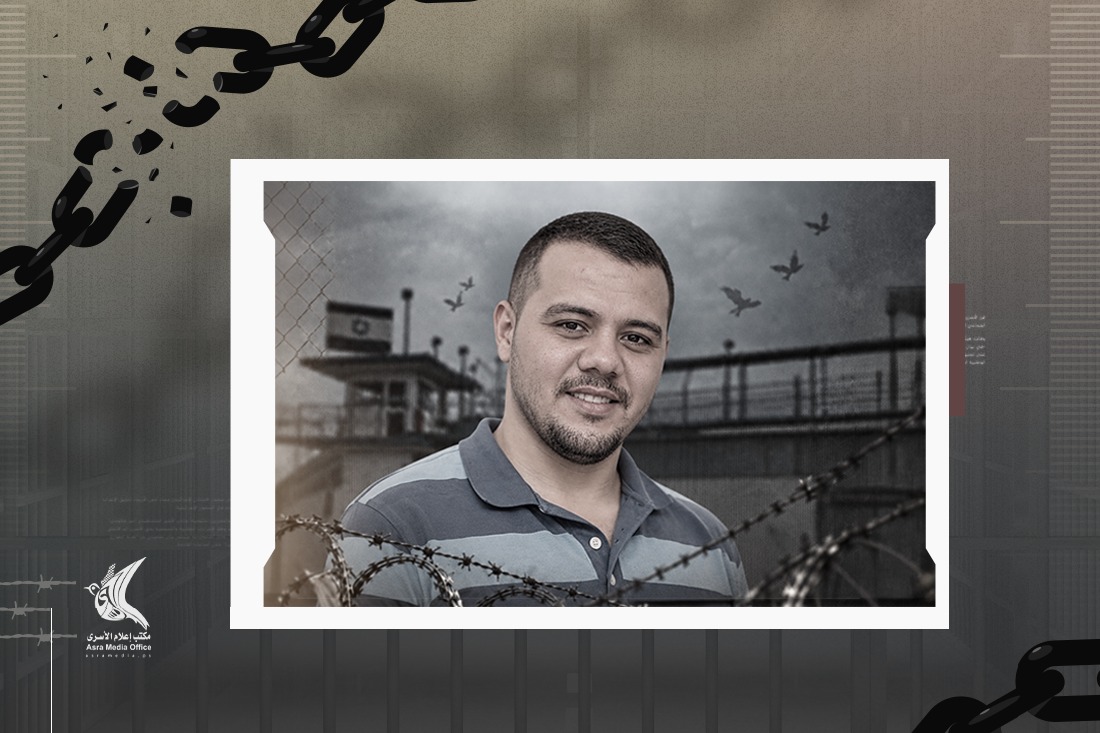
Ahmed Abu al-Nour’s two-year sentence ran out in the first months of the war on the Gaza Strip. The occupation still holds him.
He has now spent more than two years in prison past the end of that sentence. When he was arrested, he weighed 98 kilograms. Released prisoners say he is down to about 50. Beyond that, his family has heard nothing to reassure them.
Since the war broke out, no news of his family has reached him either. Whatever he knows about Gaza, or about his own family, he picks up from a few fellow prisoners. What weighs most on his family is that he doesn’t know which of his relatives have been martyred. Nor do they know what the prisons have done to his body.
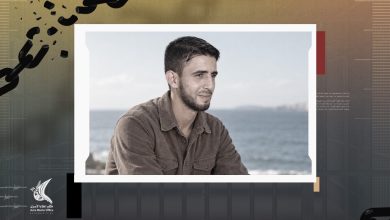
Ahmed Bilal Abu al-Nour was born on October 25, 1994. His family told the Prisoners’ Media Office that he was arrested on January 23, 2022, while inside the 1948 occupied territories. Since then, they have not been able to visit him or reach him. Whether he is getting the treatment he needs, or facing his illness without his daily medication, they don’t know. The last they heard, he was in Nafha prison. They are still waiting for any news that might ease their worry.
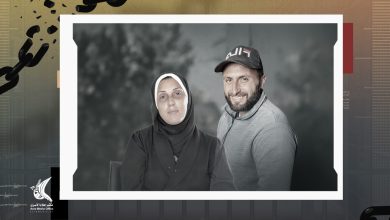
The family hoped the Al-Aqsa Flood prisoner exchange deal would bring him home, his wife remembers. His children bought new clothes for his homecoming.
He didn’t come out.
“We don’t know what became of those clothes, or how long we will go on waiting,” she says. As time passes, it gets harder for her, mostly because of the children’s questions. Their daughter, Noura, is 10, and their son, Ali, is 7. Both keep asking her, “Why hasn’t Dad come out yet?”
She has no answer.
Ahmed earned his high school diploma during his years in prison. But his wife says, “Ahmed has lost 48 kilograms. So what does he look like today?”
Before his arrest, he already had a third-degree hernia and chronic stomach problems that keep him from eating many kinds of food. His family doesn’t know how his health has held up inside, or whether he is getting treatment.
“My husband depended on treatment because of his stomach problems, and today I know nothing about him,” she says. “The Red Cross doesn’t visit him. Human rights and medical organizations can’t check on him. A total news blackout.
“While he has been gone, some of his relatives were martyred, including his cousin, who was like a brother to him. He lost his two grandmothers, his mother’s mother and his father’s mother, and he lost his grandfather too. We couldn’t tell him about any of these tragedies.”