Held Six More Months on the Day of His Release after 12 Years of Detention
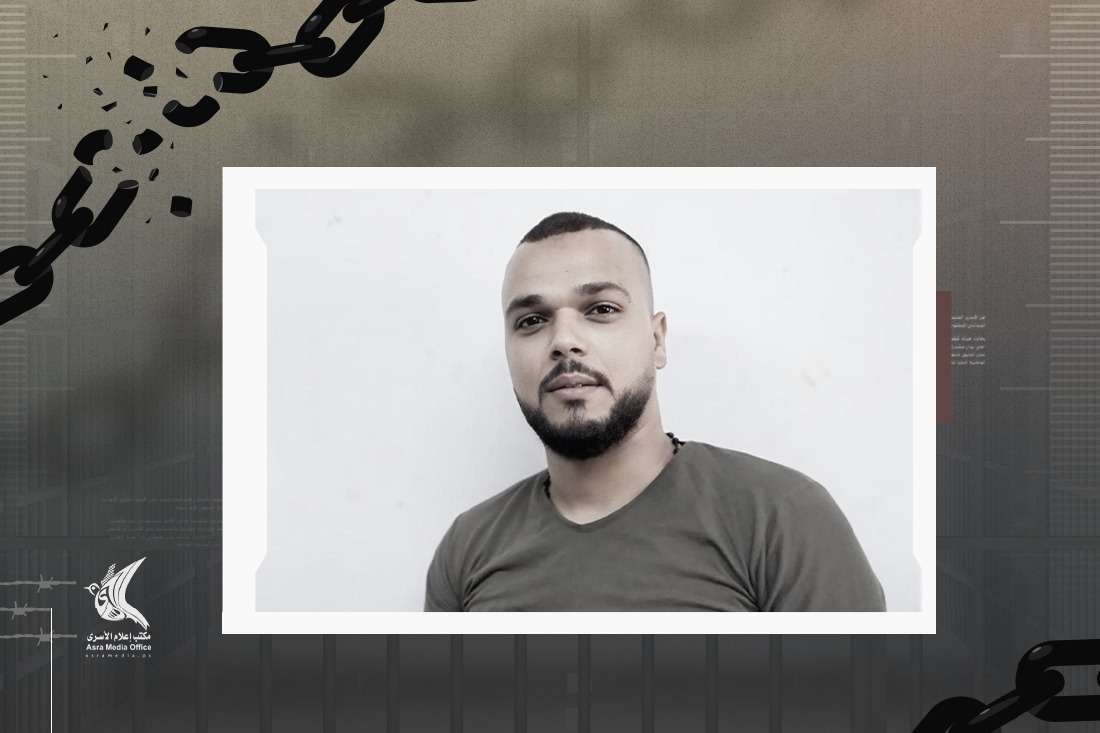
Occupation intelligence issued a six-month administrative detention order against Mohammed Ahmad Abdel Wahab al-Madani on July 29, 2026, the day he was due to walk free after 12 years in prison. His bags were packed, and his family had driven out to the checkpoint to meet him. Then the lawyer called. No charge. No trial. He stays inside.
The occupation has now taken two release dates from him in two months.
The first was May 30, 2026, when the 12 years ran out. It came and went. During those years, the occupation had opened a new case against him and fined him. His detention ran on for two more months. His family waited them out and started counting the days again.
July 29 became the new date. It ended the same way, with an order resting on nothing a court has heard. Dozens of Palestinian prisoners have gone through this.
The occupation arrested Mohammed on May 30, 2014. He was 20, working with his father to keep the family fed. The sentence was 12 years, to be served in full.
His brother Moataz al-Madani was martyred by occupation bullets while Mohammed sat in a cell. His grandfather died. Then his grandmother. Family celebrations went on without him. His brother’s children were born while he was inside, and he has never seen them.
Since October 7, 2023, his family has heard almost nothing. Visits are banned. The prisons remain under emergency rules. What news reaches them comes secondhand, from released prisoners who say Mohammed has lost much of his body weight to starvation and the conditions in Rimon prison.
The Palestinian Prisoner’s Club says his case is not isolated. Pushing a prisoner into administrative detention on the day his sentence ends is part of a revenge policy that has escalated at an unprecedented rate since the genocide in Gaza began. New orders and renewals together have passed 20,000, and 3,244 Palestinians were being held under them as of early July.
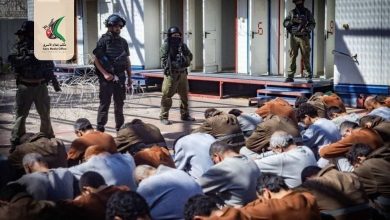
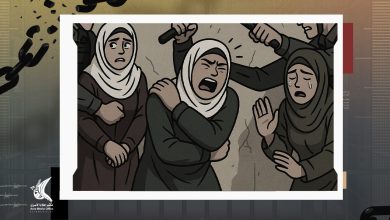
The orders reach every part of Palestinian society. Children are held. So are women, the elderly, and the sick. Inside, the Club says, administrative detainees face torture, starvation, and medical neglect. Guards humiliate them. A number have been martyred in occupation prisons.
Mohammed’s family is no longer counting down to the end of a court sentence. They are facing open-ended detention with no real ceiling. The occupation took 12 years of his life, then two months on top of that, and now six more months under an administrative order. This is what the policy does. It turns freedom into an appointment that keeps moving, and the end of a sentence into the start of new suffering.