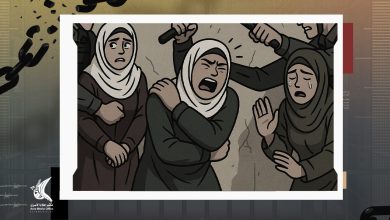
The Occupation Took Him at 15, It Handed Him Back in a Coma
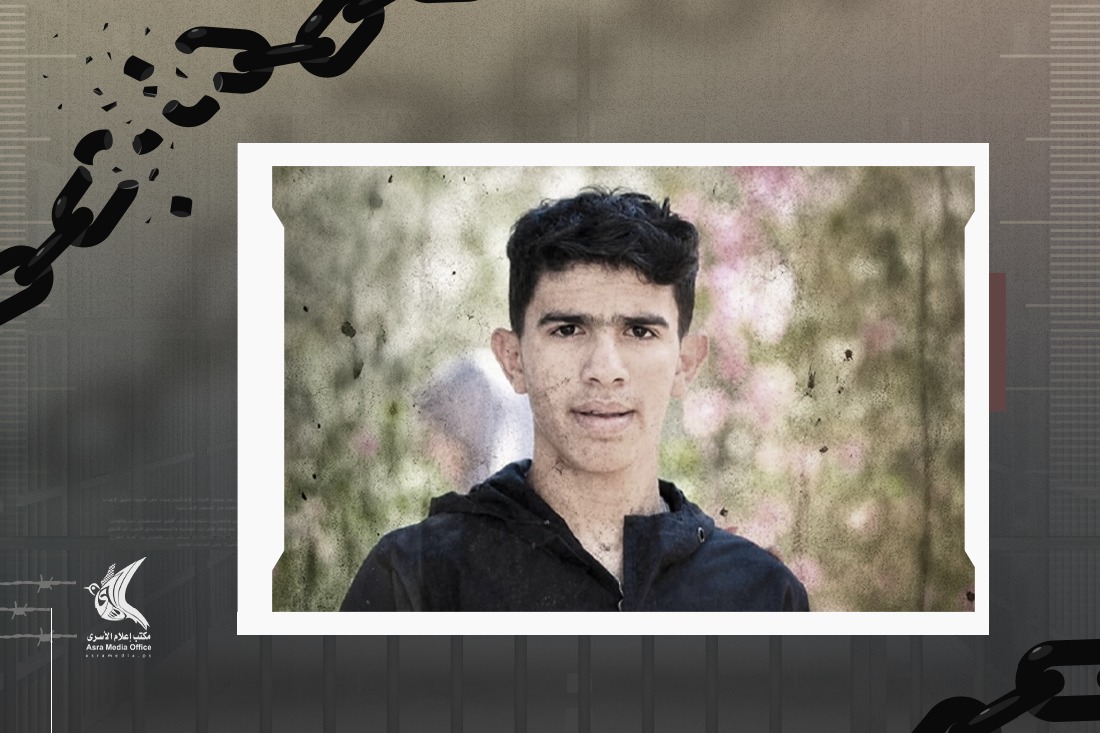
Mohammed Musa Suleiman Hamid is 15 years old. He cannot move or speak. A ventilator breathes for him. Doctors have told his parents that keeping him alive may mean cutting off his right leg above the knee.
Five months ago he was healthy.
Israeli occupation forces raided the family home in Tuqu’, a town in the Bethlehem district, on February 25, 2026, and took him away. He was one of hundreds of Palestinian children the occupation arrests every year. Everything after that happened behind prison walls, out of sight.
He went in healthy. He came out fighting for his life.
His family did not see him once in the months that followed, and learned nothing about his condition. Contact with prisoners has been restricted since the war on Gaza began. His lawyers pressed for a trial date. The occupation never set one.
As pressure grew to account for the boy, the Prisoners’ Media Office reached his family. The occupation shirked its legal responsibility, the family says, and handed their son back with his body riddled with disease.
Word reached the family that Mohammed was lying in Shaare Zedek hospital. Medical reports laid out what had been done to him: torture, beatings, and medical neglect. He had also contracted scabies.
Severe complications followed. Infections spread through his body. A clot formed in one of his arteries and closed the main valve of his heart. Surgeons had to replace it.
The occupation sent him back to prison shortly after the surgery. His condition collapsed again, and guards returned him to the hospital.
Under legal and human rights pressure, the occupation authorities ordered his release on bail of 2,000 shekels. The family refused to take him. Accepting the bail, they understood, would let the occupation escape responsibility for what it had done to him inside prison. The authorities then released him without bail and lifted every security restriction. They pulled the guard off him and left him there in critical condition.
With help from legal groups, his parents reached his bedside after about eight days, and saw the full scale of it. Mohammed lay in a deep coma, unable to move or speak, breathing through a machine. Doctors told them that infections and gangrene had spread through his body, and that blood had stopped reaching his right leg. Saving his life, they said, might mean taking the leg off above the knee.
This is a crime with all its elements present, his family says. A child taken from his home and his classroom. Never charged, never brought before a court. Within months, a patient fighting to stay alive. They hold the occupation fully responsible for what happened to him inside Ofer prison.
The Prisoners’ Media Office says Mohammed is not an exception. What happened to him is what Palestinian prisoners face inside occupation prisons, where torture and medical neglect threaten their lives.
His story got out. Hundreds of others have not.
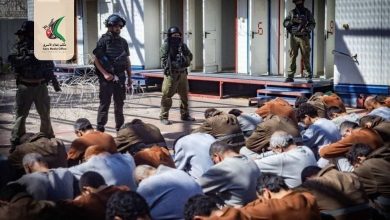
About 360 Palestinian children are held in interrogation centers and in Ofer and Megiddo prisons, cut off from visits by the International Committee of the Red Cross and from any contact with their families. Lawyers’ visits remain tightly restricted. The children are left exposed to violations, with no one held to account.