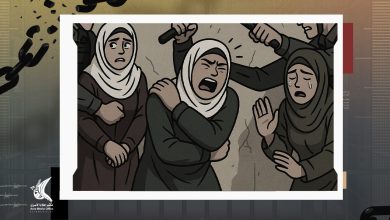
Out of Prison, Still Kept From Their Families
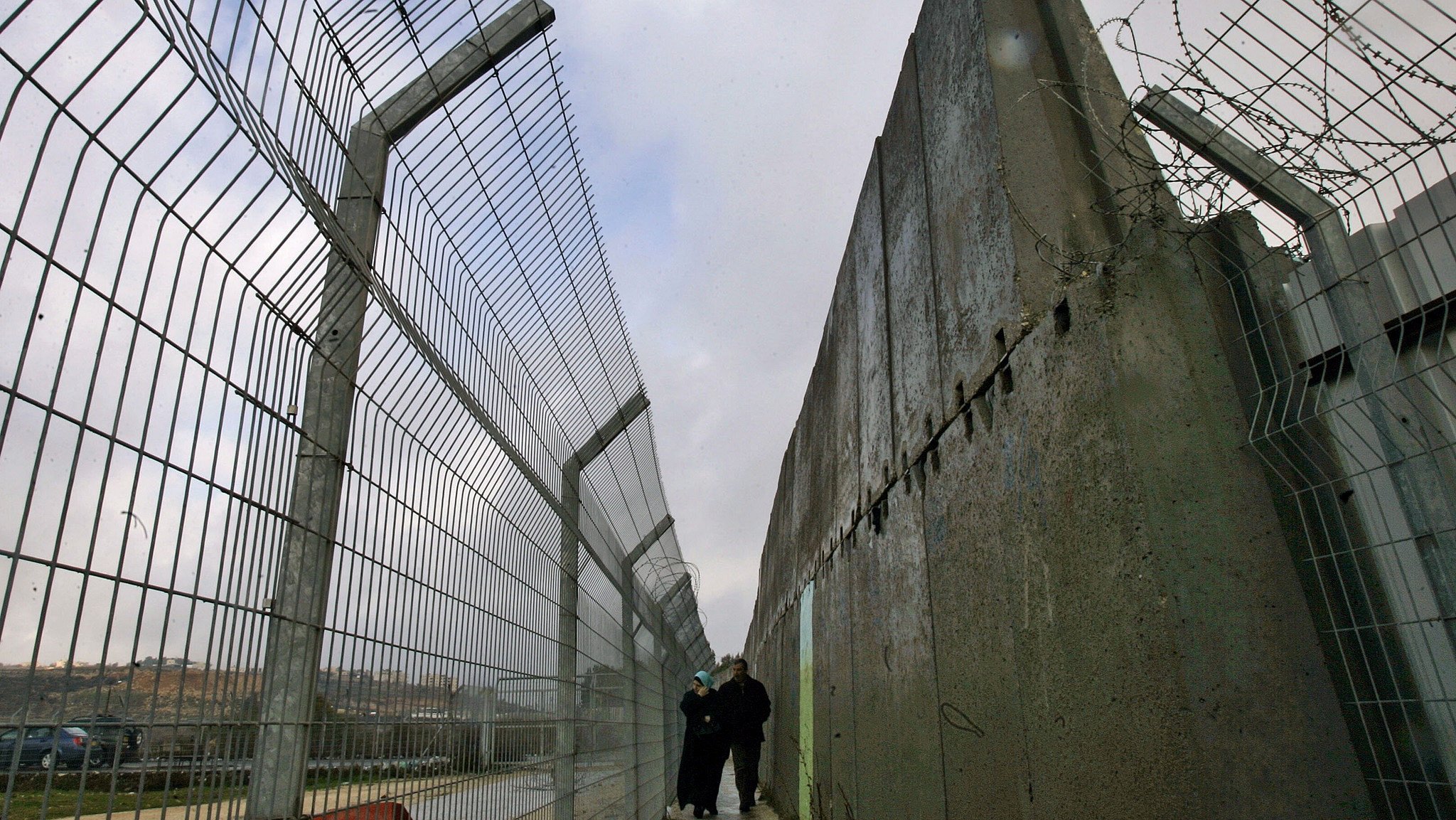
Twenty-two Palestinian prisoners walked out of Israeli jails and still cannot go home. They were freed in the January 2025 Tufan al-Ahrar (Flood of the Free) prisoner exchange, then deported to the Gaza Strip. They are out, and still cut off from the parents, wives, and children who waited years for them. Their freedom is not whole, and it carries a pain of its own.
In prison, none of them dreamed of a house or money. They dreamed of one thing: walking out and finding their families. The occupation took even that.
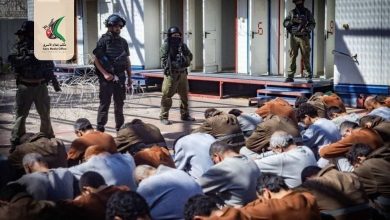
Some spent more than 25 years inside, others went in as young men and came out old. Either way, the occupation keeps punishing them after release.
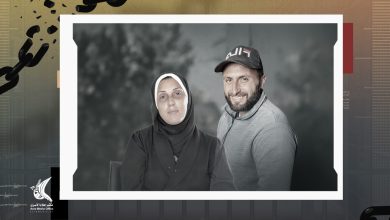
Mohammed Fawzi Salama spent most of his life behind bars, serving a life sentence. “I went into prison a young man,” he says. “I came out over 60.”
A short sentence for a lifetime lost.
When he finally walked out, no mother’s embrace, no father’s tears, no sister’s joy. His father, his mother, and his sister had all died waiting for his release. They died before they could see him. They died before the dream they had lived for came true.
“Only a few of the family are left,” he says. “I want to see them while I still can.”
He is afraid death will take them too, before he can hold them.
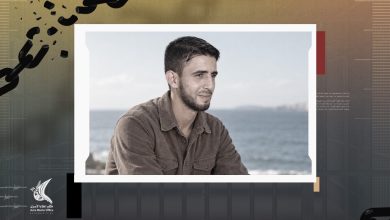
For Ismail al-Radaydeh, the suffering did not end at the prison gate. After years in prison he was deported to Gaza, into displacement, bombardment, and hunger, while his family stayed far away. He walked out of an Israeli cell straight into a war. One cramped cell traded for another wait with no end.
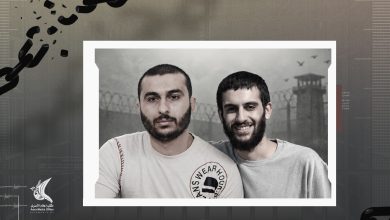
Mohammed Taha Shaalan spent 26 years in prison. He says the freed men expected the road to freedom to run through Egypt, the way the deal had set out. Instead they were sent to Gaza, and the reunion they had waited decades for slipped further out of reach.
Their demand now is not political, the men say, and not about any faction. It is human, nothing more: to see their parents, wives, and children before it is too late.
The years prison stole from them were enough.
But the occupation did not stop there. It kept them from their parents’ funerals, from kissing their hands one last time, from watching their children grow up. Now it keeps them from reaching their families even in freedom.
The Prisoners’ Media Office calls this a form of collective punishment, one that follows a prisoner long after he leaves his cell. Not content with taking their youth, the office says, the occupation keeps stripping them of their most basic rights, above all the right to see their families again after years apart. The office holds the occupation fully responsible for their suffering. It calls on international and human rights bodies, and on the International Committee of the Red Cross, to act now: end the deportations and let these men reach their families.
Many of them thought prison was the hardest part. Some learned there was something harder: to be free and still unable to reach your mother.
To spend 30 years dreaming of one reunion, then stand hundreds of kilometers from home, unable to knock on the door. To know your parents have aged and your children have grown, the people you love waiting on the other side of a road you cannot cross.
These 22 men are free. Their hearts are not. They are still standing at the doors they never came back to, and the mothers are still waiting for an embrace that is decades late.