Detained, Disabled, Beaten: A Palestinian Prisoner’s Account of Sde Teiman
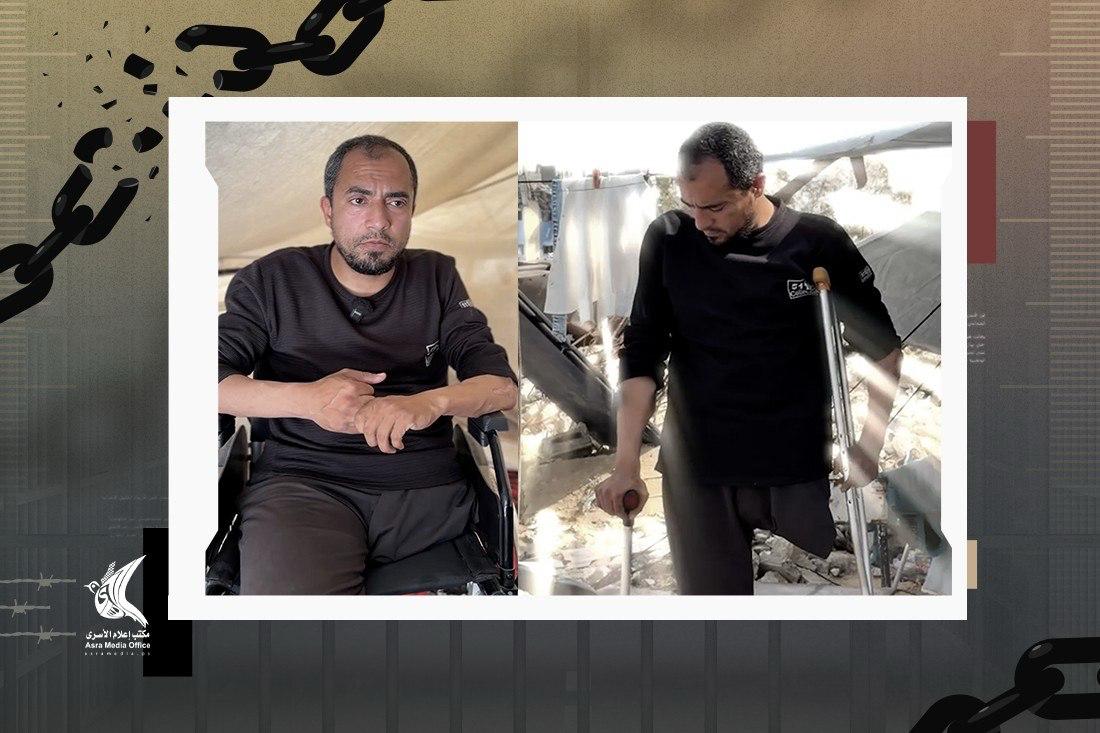
Wounded and disabled prisoners beaten, forced to sign documents, and held in conditions one detainee calls hell
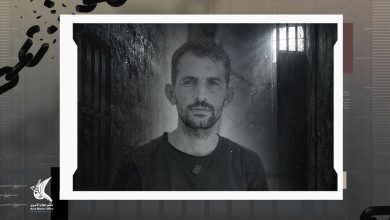
Abdullah Said Abu Harbid was missing a limb and badly wounded when Israeli forces arrested him during military operations in northern Gaza. His condition did not shield him from torture. It made him a target.
Abu Harbid had been unable to leave northern Gaza after evacuation orders were issued in October. His amputation made movement impossible. When the forces entered the area, they detained him on the spot and transferred him to Sde Teiman, a former civilian facility converted into a prison. His account is among the harshest to come out of wartime detention.
From the moment of arrest, Abu Harbid says, no one considered his medical condition. He was beaten despite open wounds. His amputation and physical disability drew harsher treatment, not leniency.
Forced to sign
Guards packed detainees into overcrowded cells inside the facility. Abu Harbid says interrogators coerced prisoners into signing documents that classified them as unlawful combatants, regardless of whether evidence existed against them or who they actually were.
Beatings inside the prison and during transfers
Suppression units raided detention areas repeatedly. Abu Harbid says guards beat prisoners, dragged them across floors, and struck them with clubs and other objects.
During one transfer between prisons, guards beat detainees inside the bus. Abu Harbid overheard a soldier telling the driver not to report what was happening to the officers. The blows knocked him off balance. He developed a high fever that lasted days and sustained nerve damage in his ear.
He still suffers from it.
The weakest singled out
Abu Harbid says the wounded, people with disabilities, and the elderly faced the worst abuse. Children and women were not spared. The pattern, he says, was deliberate: those least able to endure it received the most of it.
Starvation, disease, medical neglect
Detainees inside Sde Teiman face severe food shortages and spreading disease. Medical care is almost nonexistent. Others are still held in conditions Abu Harbid says he cannot describe. He fears conditions are getting worse.
Fear inside, bombardment outside
Abu Harbid says he lived in constant fear inside the prison: fear of dying from his injuries, and fear that his family was being killed under bombardment outside.
Those days, he says, were nothing but pain, physical and psychological. The damage has not left him.
His testimony adds to growing pressure on human rights organizations to investigate conditions inside Israeli detention centers and the treatment of Palestinian prisoners held during the war.