Prisoners Are Forgotten Dead Behind Bars
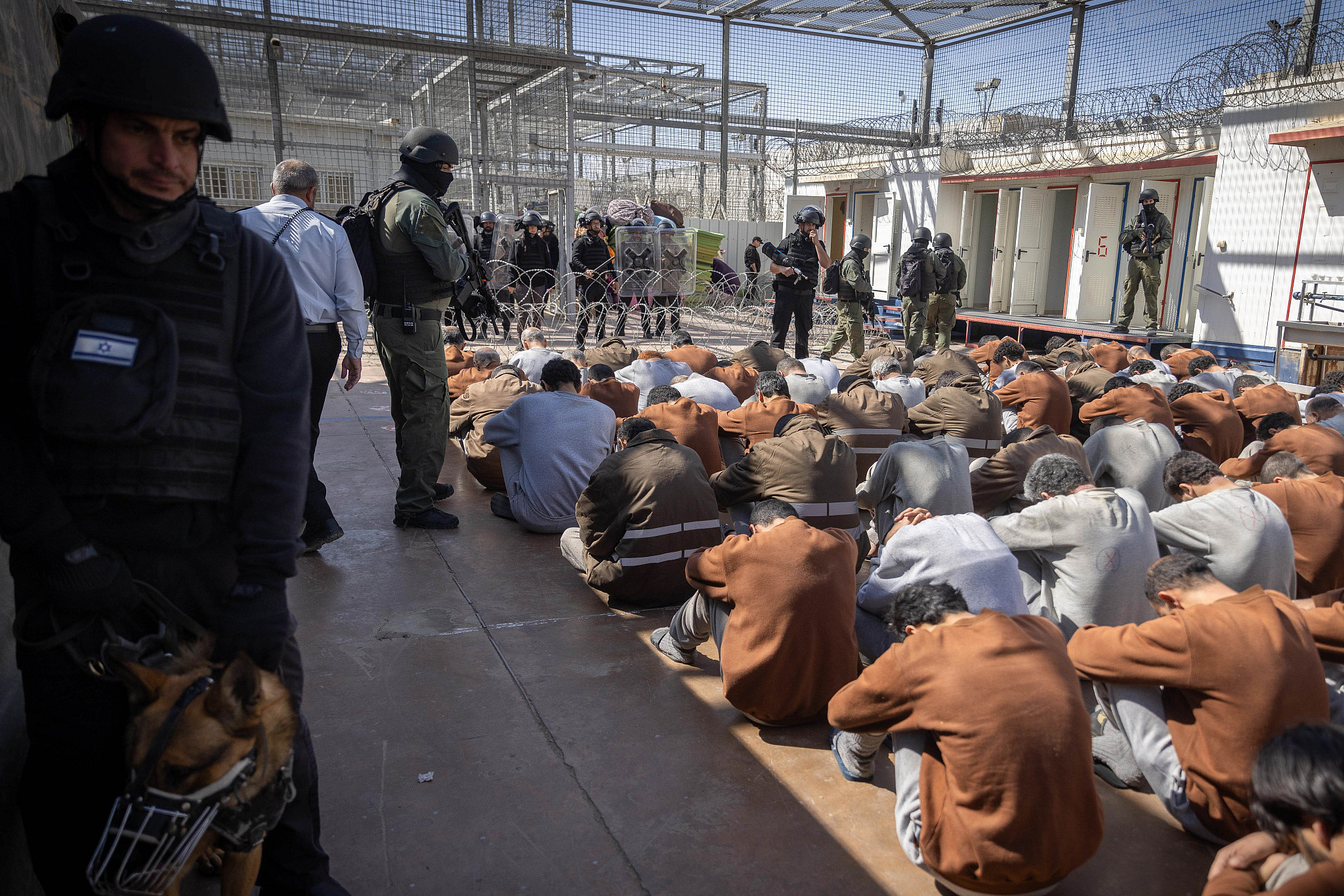
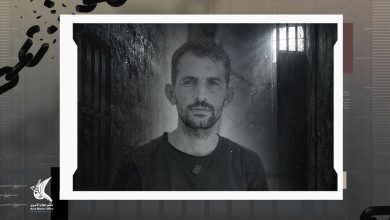
With a body ravaged by hunger and a soul that witnessed death daily, journalist Samer Khweira emerged from Nablus after nine months of administrative detention to issue a cry that shook consciences: “The prisoners are dead, forgotten… no one can comprehend the reality of prison unless they have lived it.” These words were not merely an account of a passing detention experience, but rather a living testimony to the most brutal phase in the history of the prisoner movement, the period following the seventh of October, when prisons were transformed into open spaces for repression, humiliation, and systematic starvation.
Samer, who was arrested on the tenth of April of last year, did not leave prison as he had entered it. He emerged as a witness to a phase in which detention facilities became open arenas for repression, humiliation, and systematic starvation, where not even the minimum standards of humanity exist. He states that what he experienced inside prison cannot be described in words, “because only God knows the true extent of the degradation.” With this phrase, he summarizes a daily reality of beatings, humiliation, and relentless oppression, where time loses all meaning, a single hour in this hell equals thirty years, because the place itself is a state of continuous madness, founded upon repression, beatings, degradation, and abuse.
Samer recounts that the prisoners in the facilities have become “like the dead, forgotten”, no one can truly know the reality of their conditions unless they have lived them firsthand. He confirms that a policy of humiliation constitutes the daily norm by which the lives of detainees are administered. As for food, it is virtually non-existent; he describes it bitterly: “There is no food… food is something we only hear about,” referring to the starvation policy employed as an additional tool to break prisoners physically and psychologically.
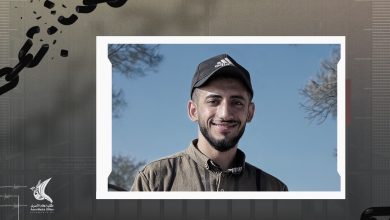
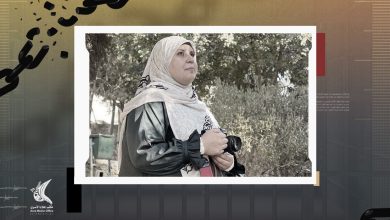
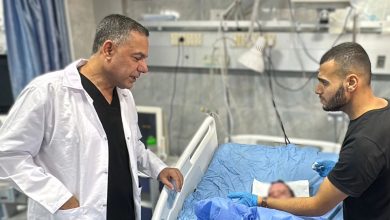
This testimony clearly corroborates dozens of testimonies provided by released prisoners to the Prisoners’ Media Office over recent months, in which they similarly spoke of severe beatings, degrading searches, sleep deprivation, solitary confinement, deliberate ill-treatment, and the abandonment of the sick and wounded without proper medical care, a scene reflecting a comprehensive retaliatory policy being implemented against the prisoner movement since the outbreak of the war.
As Samer recounts, the oppression in prison is not limited to physical pain alone but extends to wound the soul at its core, where the prisoner is stripped of his humanity and treated as a number without value. Humiliation becomes a daily routine, hunger becomes a weapon, and fear becomes a constant companion. This description corresponds with what other released prisoners have reported, confirming that the period following October 7th marked a dangerous turning point in the nature of treatment inside prisons in terms of its severity, brutality, and overt vindictiveness.
The testimony of Samer Khweira is but one of thousands of silent testimonies behind bars, yet it clearly reveals that what is occurring in prisons is a systematic policy aimed at breaking the Palestinian person in body and spirit, transforming detention into an experience of slow destruction.
These testimonies remain a cry in the face of the world, a reminder that behind the walls and barbed wire there are human beings being tortured every day, and that the suffering of prisoners is not merely numbers in reports, these are stories of real anguish, dignity being violated, and souls being drained in silence.
Samer emerged in body, but he left behind thousands of “the dead” who await the world to hear their screams, screams that Samer conveyed with faithfulness and bitterness.