Hassan Yousef: 20 Years Under the Sword of Administrative Detention
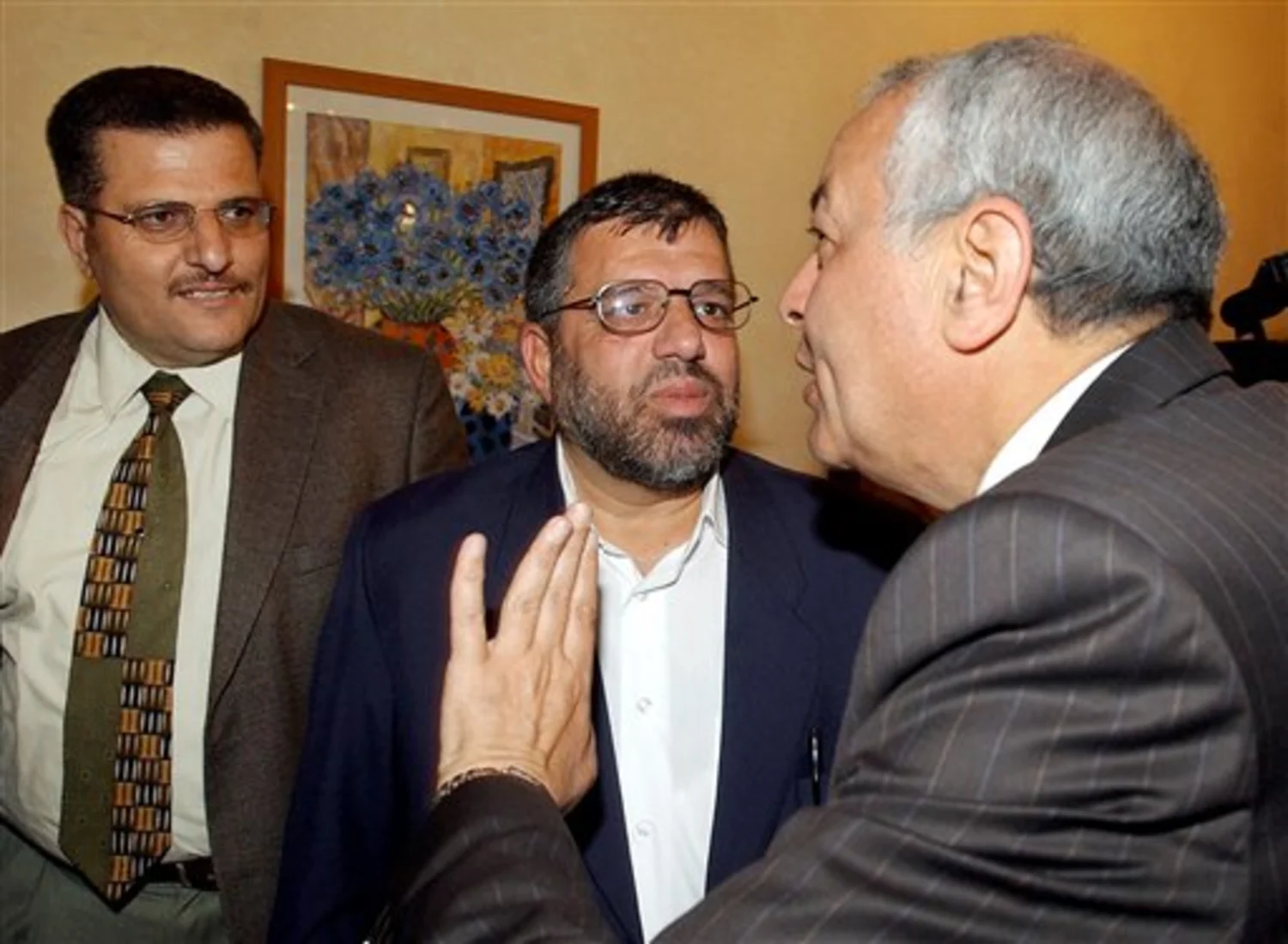
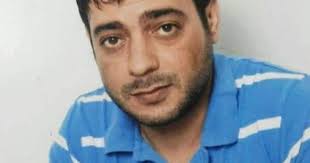
Hassan Yousef Dawoud Khalil, known as Hassan Yousef, is 70 years old, from Beitunia near Ramallah. A Hamas leader, a prominent national figure, and one of the West Bank’s most respected public personalities, he has endured decades of imprisonment, specifically the arbitrary weapon of administrative detention without charge, which has become a sword hanging over his life.
His family expected him home on Thursday, February 12. After years of absence, they waited to finally see him. Instead, an occupation court renewed his administrative detention for the sixth consecutive time, adding four more months without any charge.
For more than 20 years, Sheikh Hassan Yousef has not spent more than six continuous months with his family before being rearrested. He remains a permanent hostage of administrative detention with no ceiling, solely because occupation intelligence claims his presence outside prison walls poses a threat, given his popularity, influence, and the weight his words carry.
Hassan Yousef has spent roughly half his life in occupation prisons. He was first arrested in 1971, at just 16 years old, on charges of social and political activism. He was arrested again in the early 1990s during the First Intifada on charges of belonging to Hamas, then deported along with hundreds of others to Marj al-Zuhour in southern Lebanon for a year.
He was rearrested in 2005 and sentenced to six years in prison. Despite his detention, his name topped the candidate lists for the Palestinian Legislative Council elections. He won and became a member of the Legislative Council while still behind bars.
After completing his sentence, Hassan Yousef was released, but administrative detention has shadowed him ever since. He is barely free before he is detained again. In 2011, he was placed under administrative detention for more than two and a half years, released in 2013, then rearrested during the mass arrest campaign the occupation launched after three settlers were kidnapped in Hebron in 2014. He spent another year in administrative detention without charge or trial.
The cycle continued. He was rearrested in 2015 and spent 22 months in administrative detention, released in August 2017, then rearrested just three months later with a six-month administrative detention order that was renewed for an additional four months. He served 10 months before his release.
He was arrested again in 2019 and spent two years under administrative detention. His most recent arrest came after the outbreak of the genocide against the Gaza Strip in October 2023, when a six-month administrative detention order was issued against him. He remains detained to this day. The order has been renewed five consecutive times. He was expected to be released today, but an occupation intelligence recommendation to keep him imprisoned drove the rubber-stamp court to renew his detention a sixth time for four months, with a promise that it would be the last.
The repeated and closely spaced detentions have severely damaged his health. He suffers from chronic high blood pressure and diabetes and requires specialized medical care. Since October 7, conditions for all prisoners have deteriorated sharply, and Sheikh Yousef’s health has declined significantly under a policy of deliberate medical neglect by prison administrations, placing his life at risk. He suffers from pain in his shoulder and legs without any real treatment or examination by a specialist to determine the cause, despite his advanced age and constant vulnerability to illness.
His election to the Palestinian Legislative Council in elections the entire world recognized as fair has not shielded him from years of detention and abuse by the occupation. This violates the most basic norms and laws granting immunity and legitimacy to elected legislators, protections the occupation has never respected. Since the 2006 Palestinian elections, the occupation has arrested and tortured 65 legislators.
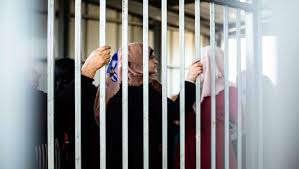
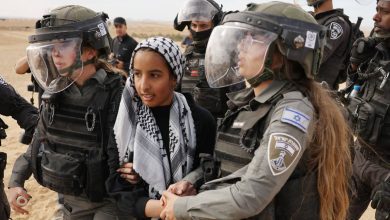
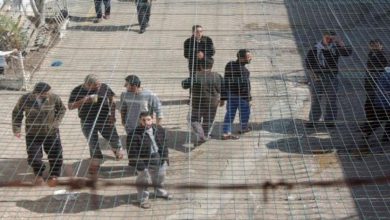
The escalation of administrative detention since October 7, 2023, is a systematic policy designed to keep as many of Palestine’s leading figures as possible behind bars, consuming their years, undermining their futures, and preventing them from engaging in social and political work in service of their cause and their people. The occupation focuses on targeting activists, community leaders, and the educated class: university students, academics, journalists, social work leaders, and legislators. It has spared neither women nor children.