Abdul Jabbar Jarrar: Grief Behind Bars
Between the loss of a wife and the renewal of administrative detention
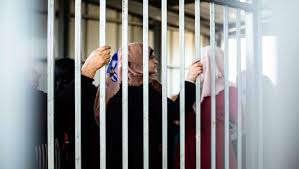
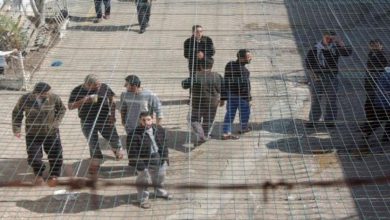
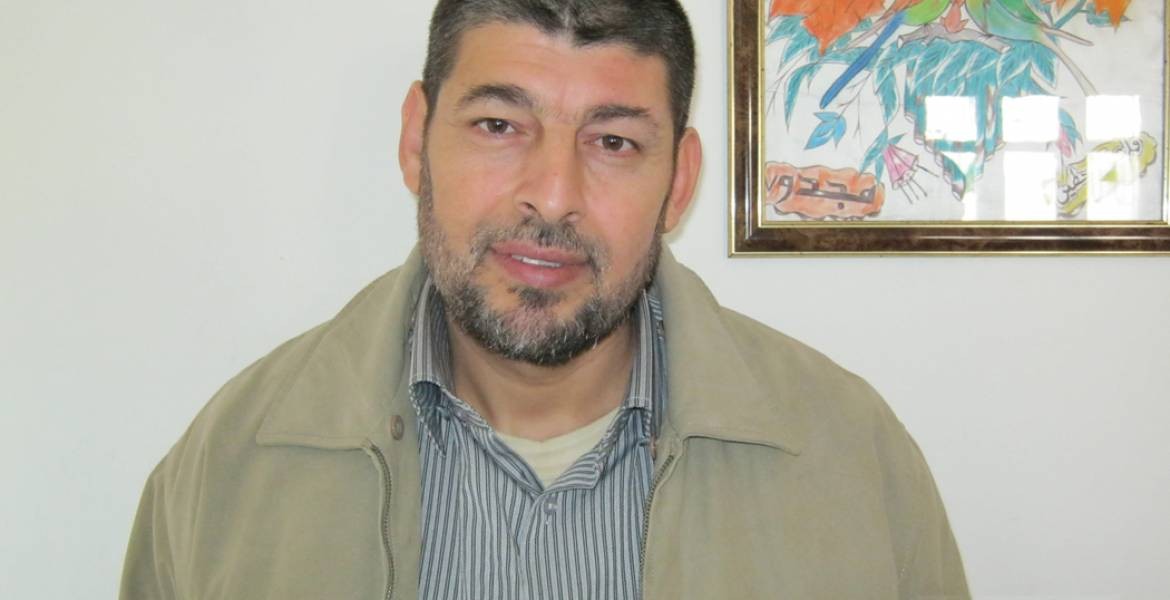
Abdul Jabbar Muhammad Jarrar is 60 years old, from the city of Jenin, and entering his third year in administrative detention. He is one of approximately 3,385 administrative detainees who make up 36% of the total prisoner population, according to the Prisoners’ Media Office. His detention has no end date. It runs parallel to an ongoing campaign of starvation, abuse, and repression inside Israeli occupation prisons, under a state of emergency that prison authorities use to hide violations from human rights organizations and carry out a policy of slow death against prisoners.
Only two years ago, during earlier detentions, his wife’s presence stayed with him like a shadow inside the prison walls. She ran their household and tracked the details of his arrests, so many that only her overburdened heart knew the count. She memorized every arrest date, recognized the sounds of raids and the routines of detention. She coordinated with his lawyers, followed his legal proceedings, and knew every prison that had held him. She was the unseen soldier of his struggle, his partner in life and in pain.
The weight of her loss must have been immense. He sensed the separation was near. When news of her injury and death reached him, he stood like a mountain of patience before the prisoner community that sees him as a symbol of steadfastness, and before his jailers too. He buried his grief. There are no words for the pain of a man denied the chance to say goodbye to his wife or receive condolences while in captivity.
The Prisoners’ Media Office spoke with the Jarrar family, whose lives have been completely upended over the past two years in ways they had never experienced before. The family is no stranger to prisons. Their father’s cumulative time in detention exceeds 16 years, most of it under administrative detention, which before October 7 rarely exceeded two years. After the war, it became open-ended, with no clear timeline.
The family, like their father in his cell, had been counting down to the end of his latest detention order, two years after his arrest on February 7, 2024. Israeli occupation authorities renewed his administrative detention for an additional four months. The family began a new countdown.
This was not the first time Jarrar came close to freedom. He was supposed to be released on the same day his wife, the fighter Wafa Jarrar, died. She was killed days after her arrest on May 21, 2024, leaving half her soul behind bars, a husband treating wounds no one can measure with nothing but patience and his failing health.
When occupation forces arrested Wafa Jarrar in May 2024, they claimed an explosive device detonated in the vehicle transporting her during the arrest, causing her injuries. The family tracked her condition with every ounce of strength they had, even as an administrative detention order was issued against her while she lay in critical condition. They later learned she had fallen into a coma. They were told her legs would be amputated and asked to sign consent. On May 30, 2024, occupation authorities released her in severe medical condition, an attempt to evade responsibility. When the family received her, she had fractures in her ribcage, a broken vertebra in her spine, both legs amputated, a blockage in her left lung, and a severe blood infection.
On August 5, 2024, freed prisoner Wafa Jarrar died from her injuries, leaving behind a story of suffering whose beginning and end no one fully knows, and a husband who never had the chance to say goodbye. Despite his children’s reassurances that her condition had stabilized, he felt she would not survive.
The family recounts: “News reached the prison that a female prisoner had been injured while our father was detained, but he did not know it was his wife. He prayed for her during his prayers. When a new prisoner entered the section and congratulated him on her safety, he realized it was her. On the day she died, the news reached him. He was supposed to be freed that same day because his administrative detention order had expired. The occupation renewed his detention again.”
Jarrar remained composed. He received condolences from fellow prisoners with patience and faith. Every prisoner released after that day told the family their father had stayed strong. He was the one who always comforted other prisoners when they lost loved ones. Now he found himself needing to be strong for them, under brutal prison conditions that demand endurance, refusing to show any sign of weakness before his jailers.
The past two years have weighed heavily on the family: the weight of absence and longing, and the weight of losing the mother who had been their father’s anchor through every detention. After her death, the children took over that role amid enormous difficulties in tracking his legal status and navigating transfers between prisons. The family currently knows he is in Naqab Prison but suspects he has been moved elsewhere. Released prisoners reported seeing him inside a “bosta” transport vehicle during a transfer for Shin Bet interrogation. His whereabouts after that remain unknown.
A lawyer visited Jarrar roughly a year ago, but he later asked the family not to send lawyers unless absolutely necessary because of the abuse prisoners endure before and after legal visits. The family reports he has lost approximately 66 kilograms, despite pre-existing heart disease and high blood pressure. He also suffers from knee problems, which eased somewhat after the weight loss. He contracted scabies and recovered, but the family believes he has likely been reinfected given the dire sanitary conditions inside Naqab Prison. He is also in the early stages of diabetes and takes regular medication, making skin diseases significantly more dangerous to his health.
The family confirms that Naqab Prison is no less brutal than any other. Prisoners face acute shortages of food, winter clothing, and blankets in the harsh desert cold at night, compounding their father’s physical and psychological suffering, especially after the latest renewal of his detention.
Abdul Jabbar Jarrar has spent more than 16 years of his life behind bars, defending his convictions and his people, confronting violations against prisoners with unwavering resolve. Administrative detention continues to besiege his life and his family’s, prolonging his wait for release from prisons of starvation and abuse under systematic policies that target prisoners physically and psychologically.