Administrative Detention as a Tool to Steal Prisoners’ Lives Without Charge or Trial
The Palestine Center for Prisoner Studies has accused Israeli occupation authorities of deliberately escalating the use of administrative detention against Palestinian prisoners in a systematic effort to drain years of their lives behind bars without charges or indictments, in flagrant violation of international law and the human rights standards that restrict the use of this exceptional measure.
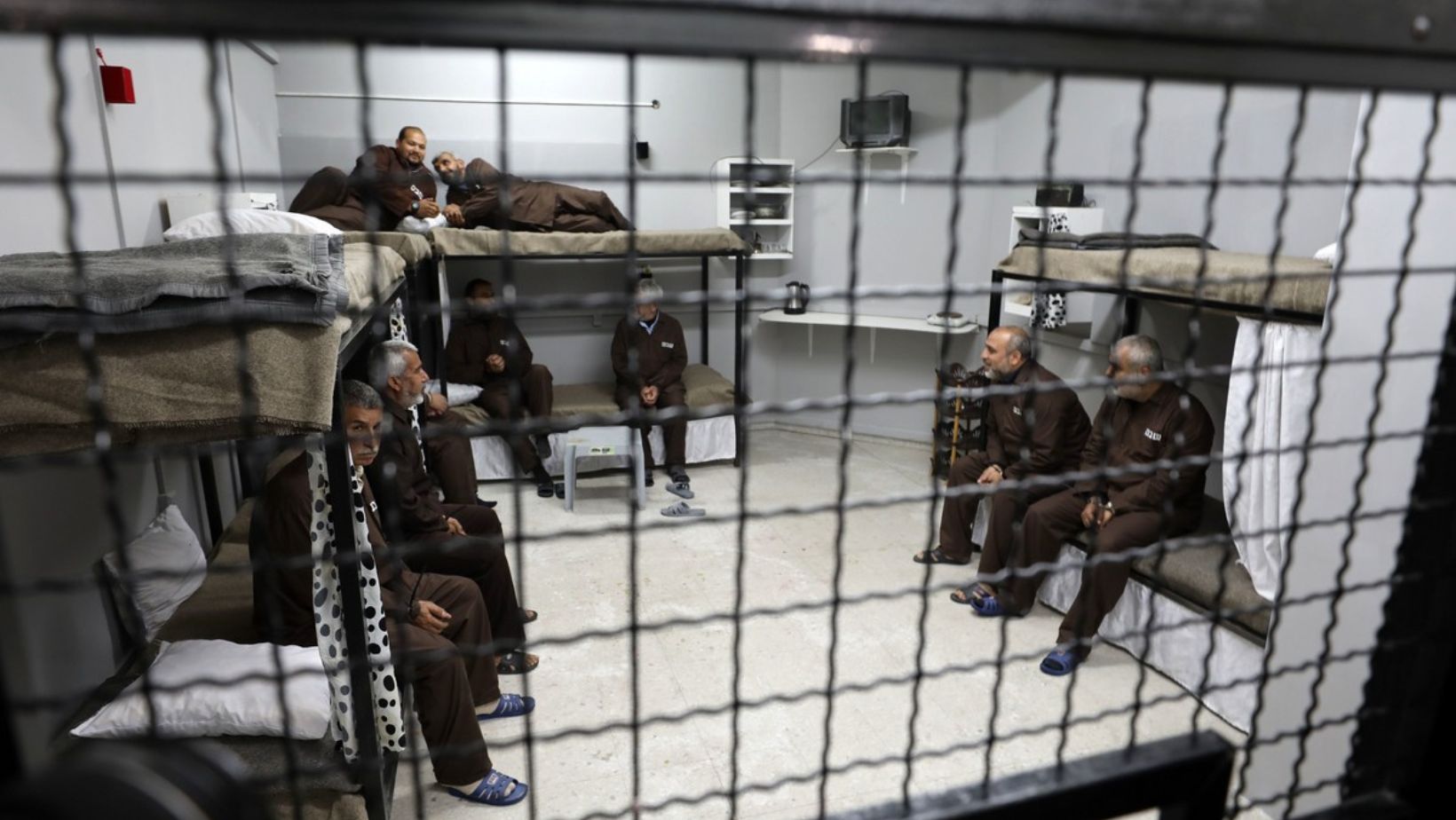
Riad al-Ashqar, the Center’s director and researcher, said the occupation has escalated its use of administrative detention at unprecedented levels since the start of the genocidal war on the Gaza Strip. The number of administrative detainees rose from roughly 1,300 before October 7, 2023, to more than 3,500 as of February 2026, an increase of approximately 270%.
Al-Ashqar stressed that this escalation is not random. It falls within a systematic policy designed to keep the largest possible number of Palestinian elites behind bars, to drain their years and undermine their social and professional futures. The occupation, he said, deliberately re-arrests freed prisoners multiple times at close intervals, holding them for years without trial.
Through administrative detention, the occupation targets active members of Palestinian society and its influential cadres, particularly university students, academics, journalists, social leaders, and parliamentarians. The targeting has also expanded to include women, children, and the elderly.
Al-Ashqar described administrative detention as one of the collective punishment tools the occupation uses to disappear the Palestinian people’s leaders and influential figures. Since 1967, occupation authorities have issued more than 75,000 administrative detention orders against Palestinian prisoners, with over half being renewal orders extending existing detention periods.
Administrative detention has never stopped since the occupation began, al-Ashqar said, though it has gone through phases of escalation and decline. It surged in the early years of the occupation, then gradually decreased until it reached zero in 1980, before the occupation reactivated and expanded the practice through decisions that made it easier to implement.
The policy escalated sharply with the outbreak of the First Intifada in 1987, declined after the Oslo Accords in 1994, surged again during the Al-Aqsa Intifada, receded once more, then escalated again from 2014 onward. That wave drove prisoners to launch an open-ended hunger strike lasting 62 days. The policy reached a new peak after the genocidal war on Gaza, with the number of administrative detainees tripling to account for roughly 35% of all prisoners in occupation prisons.
Al-Ashqar explained that the occupation’s intelligence agency, the Shin Bet, has full control over the administrative detention file. It relies on secret charges that neither the detainee nor their lawyer is permitted to see, with no indictments or legal evidence presented. This strips detainees of the right to defend themselves and denies them even the most basic fair trial guarantees.
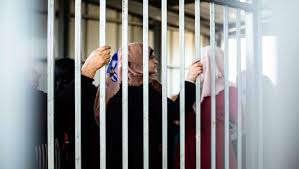
The Palestine Center noted that the occupation has not limited administrative detention to adult prisoners but has extended it to minors. At least 90 children are currently held under administrative detention, along with 16 female prisoners, among them 17-year-old Hana Hammad from Hebron, whose administrative detention has been renewed three consecutive times.
The Center concluded by affirming that the occupation does not stop at a single detention order. Thousands of freed prisoners are re-arrested weeks or months after their release and issued new orders without charge. Dozens of prisoners are also transferred to administrative detention the moment their sentences end, instead of being released.