The Prisoner Brothers Ibrahim and Mohammed Ighbariyya: Three Decades of Life Sentences

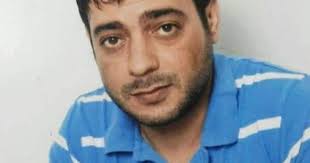
Thirty-three years have passed since the detention of the prisoner brothers Mohammed Saeed Ighbariyya (57 years old) and Ibrahim Mohammed Ighbariyya (60 years old) from within the territories occupied in 1948, yet the occupation’s prisons continue to hold them captive.
Neither has been included in any prisoner exchange agreement; each time, they are treated under what the occupation terms an “internal matter,” despite their significant role in the struggle and their life sentences.
Their family, like those of other prisoners, held great hope that the two would secure their freedom in the “Flood of the Free” exchange. However, the occupation once again excluded their names, adding yet another chapter of official abandonment and deliberate exclusion.
History of Struggle
The prisoner brothers Ighbariyya were born in the village of al-Mushayrifa in the Umm al-Fahm district. Prisoner Mohammed Ighbariyya was born on 1 January 1968, while his brother Ibrahim was born on 19 February 1965.
They lived ordinary lives until prisoners Mohammed Ighbariyya and Yahya Mustafa Ighbariyya (57 years old) decided to form a military cell to carry out resistance operations inside the occupied interior.
The cell, later known as the “Gilad Camp Cell,” was subsequently joined by Mohammed’s brother, prisoner Ibrahim Ighbariyya, as well as prisoner Mohammed Tawfiq Jabarin (73 years old), bringing its membership to four.
On 14 February 1992, the four fighters raided the Gilad military camp near Wadi Ara, engaged occupation soldiers inside the camp, killed three soldiers and wounded five others with varying degrees of injury, before successfully withdrawing from the site.
Arrest and Interrogation
Days later, the occupation forces managed to arrest the prisoner brothers Mohammed and Ibrahim Ighbariyya on 26 February 1992, making them the first members of the cell to be detained.
They were subjected to harsh and prolonged interrogation that continued until 30 March 1992, during which they were held in isolation at Ramla Prison. The following day, they were sentenced to three life terms in addition to 15 years.
Since that time, the two prisoners have not tasted freedom. They were excluded from release in all exchange agreements concluded by the resistance and remain to this day serving life sentences.
Ongoing Suffering and Distinct Symbolism
The prisoner brothers Ighbariyya are among four prisoners detained prior to the Oslo Accords, alongside their cell comrades Mohammed Jabarin and Yahya Ighbariyya, a distinction in the history of resistance that sets these prisoners apart.
Today, the two brothers endure the same harsh conditions faced by prisoners generally: denial of family visits, near-total isolation from news except through infrequent lawyer visits or testimonies of released prisoners.
The starvation policy has also caused visible physical deterioration, and they have been subjected to continuous abuse inside Ramon Prison.
Education Behind Bars
Despite the arduous years of detention, the two prisoners pursued their academic endeavours. Prisoner Mohammed Ighbariyya obtained a bachelor’s degree in Political Science and a master’s degree in Democratic Studies, while his brother Ibrahim earned a bachelor’s degree in Political Science.
Life Sentences Awaiting Freedom
To this day, the freedom of the prisoner brothers Ighbariyya remains denied amid the occupation’s escalation and the threats of extremist minister Itamar Ben Gvir, including references to the so-called “prisoner execution law” targeting those serving life sentences, among them the Ighbariyya brothers.
The two are considered veteran prisoners from the occupied interior, who currently number 16 out of 116 prisoners serving life sentences from various parts of the homeland.
Though faith remains that freedom will come, the wait has been long and the shackles persist, while the ongoing state of emergency in prisons since 7 October continues to worsen detention conditions and deepen the suffering of prisoners.