The Hell of Prisons After the Genocide War
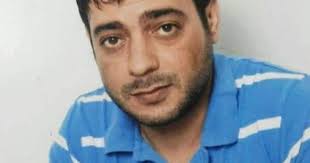
Muhammad Shamasneh survived more than thirty years in Israeli prisons before his release in the third prisoner exchange of the Al-Aqsa Flood deal.
The Jerusalem resident from Qatanna recounts how a second war began inside the prisons the moment the Gaza war erupted. “On the first day, they cut off the broadcasting stations. On the second, they confiscated all electrical devices,” Shamasneh says. “Even a small radio became an offense. They wanted us deaf, knowing nothing of the world except our walls.”
At Rimon Prison, suppression units turned cells into venues for systematic deprivation. Guards confiscated food, clothing, fans, and warm water, leaving prisoners with only two pieces of clothing each.
The violence escalated beyond deprivation. Gas spraying became routine. Speaking became an offense. “If you said ‘ah,’ you’d be suppressed. If you asked for treatment, you’d be punished. We lived between fear and silence, not raising our heads to avoid being beaten.”
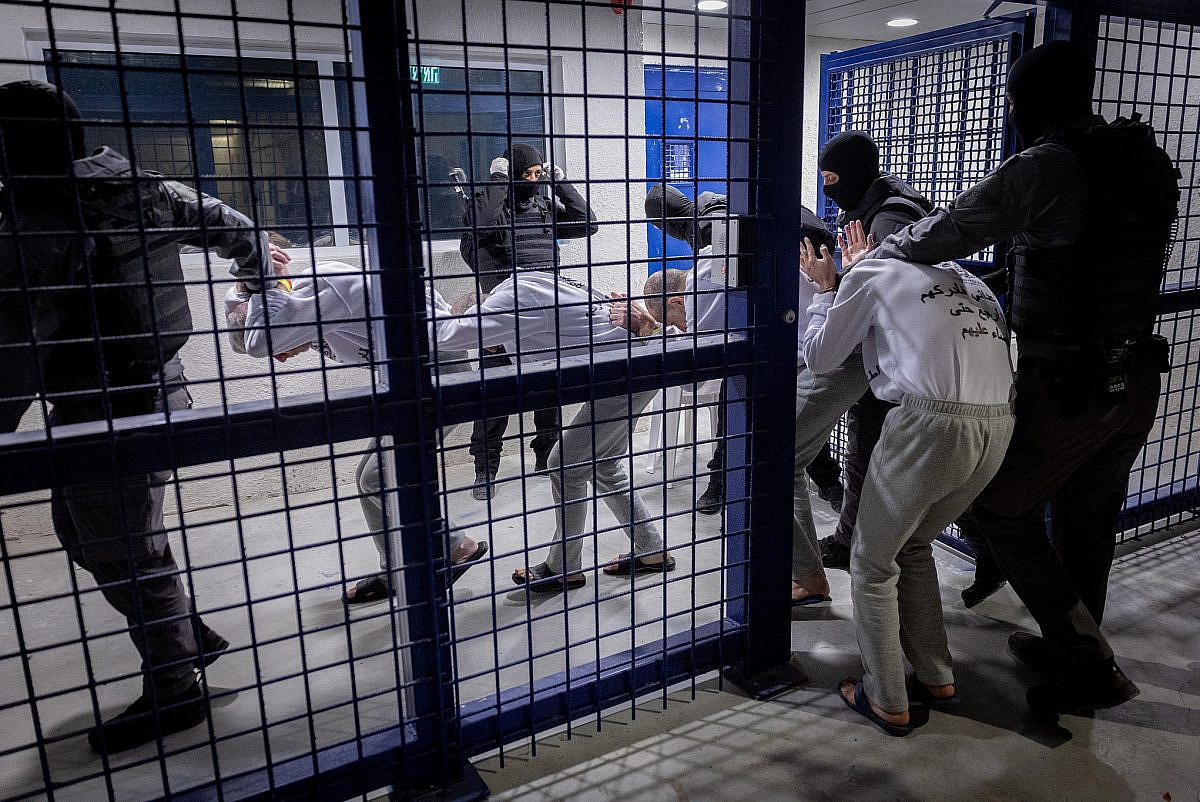
Guards would storm rooms without warning, beating elderly, sick, and young prisoners indiscriminately. “They’d bind us with plastic cuffs until they cut into the flesh. We’d scream, and they’d laugh. They savored the pain as if it were music.”
At Megiddo Prison, Shamasneh witnessed what he calls unforgettable brutality. Guards stormed rooms with prisoners already shackled. When one prisoner tried to block a blow and was wounded, “they pounced on him until he bled out. They left him drowning in his blood.” The prison director passed by and asked, “Still alive?” When he heard moaning, he ordered the beating to continue “until he fell silent forever.”
“Even the dogs were part of the scene,” Shamasneh says quietly. “They’d unleash them on us to tear at our bodies while they laughed as if watching a show.”
He remembers Khalid al-Shawish, a leader who died in Nafha Prison after being denied medical treatment. “Days before his martyrdom, he told them: ‘You want to kill me? Leave it to God.’ They took him and he never returned. They finished him off and that was it.”
The Druze guards, according to Shamasneh, were particularly brutal. “If a Jewish guard tortured at fifty percent, the Druze was at two hundred. They exceeded imagination in their brutality.”
Physical torment merged with psychological warfare. Hot water was banned. National Security Minister Itamar Ben-Gvir’s orders limited shower time to four minutes. “Imagine twelve prisoners and five bathrooms.
Religious suppression followed. “They seized the Qurans. We hid a few under the mattresses so they wouldn’t take them.” From the first day of what Shamasneh calls “the extermination war that lasted two years,” authorities banned the call to prayer and prayer spaces. “we’d call to prayer quietly, whisper, establish prayers secretly, because faith cannot be withdrawn.”
Recreation time disappeared entirely. For a full year, prisoners were confined indoors. “We didn’t see the sun. No soap, no water, no showers, not even laundry.” Young men’s bodies weakened. Diseases spread unchecked, such as Scabies.
“It had a simple treatment, but no one cared. It spread through all the rooms, burrowing into the skin. We’d scream from the pain, and the guards would come to suppress us instead of treating us.”
After a year of the outbreak, Shamasneh contracted the disease from another prisoner. “The scabies would attack me at night. I’d scratch my body until blood came out, couldn’t sleep, waiting for dawn. When it eased, we’d pray and doze a little, then the pain would return again. Those with thinner bodies than mine suffered more.”
Only when guards themselves became infected did any response materialize: “not for us, but to protect themselves.”
Shamasneh views these conditions as a deliberate plan to strip prisoners of their humanity. But he insists the plan failed. “We knew freedom was near. We persevered because we believe that patience itself is resistance”.
Shamasneh emerged free, but his voice remains with those still inside, those resisting through silence, their souls declaring that despite the hell, they are alive.