Israel’s Prescription for Sick Prisoners: Beatings Until Unconsciousness
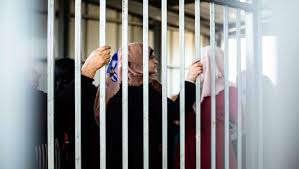
Israeli detention facilities have cut off all communication with Palestinian prisoners’ families since the war began, eliminating visits and blocking contact channels—particularly for detainees awaiting sentencing. Families now get five minutes or less with lawyers reviewing detention files, barely enough time to learn whether their relatives are alive, let alone understand the physical and psychological toll of their imprisonment.
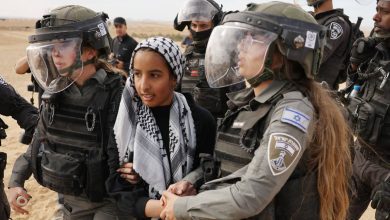
The abuse starts the moment soldiers arrest someone. Prisoners are bound, blindfolded, and beaten in military vehicles by armed soldiers. The violence continues through interrogation chambers—a particular form of suffering understood only by those who’ve endured it—and extends into the courtrooms, where beatings, suppression, and death threats accompany the trials themselves.
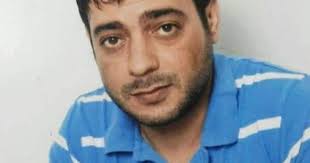
Azmi Nader Azmi Abu Halil, 30, from Dura in the Hebron district, earned his bachelor’s degree, then a master’s in Legal Consultancy while studying in Morocco. He was pursuing his doctorate when special units raided and arrested him. After just ten months in detention, with no indication when his trial might end, Azmi’s weight has fallen to 38 kilograms.
Prisoners now survive on rations so meager they cannot be called meals. Each day, they collect their food allowances and combine them into a single meal eaten at evening prayer, treating this deprivation as a form of fasting and resistance. While this allows them to endure, the extremely poor physical appearance of released prisoners reveal that conditions are pushing detainees toward slow death.
The Prisoners’ Media Office spoke with Azmi Abu Halil’s father, who has launched an appeal to reveal his son’s fate and secure urgent medical intervention. “Azmi suffers from lung disease caused by a respiratory crisis, which has led to heart problems,” his father states. “When he was arrested, he was cut off from his medication. Released prisoners who were with him told us his health condition is extremely grave.”
The special units confiscated Azmi’s medications during his arrest, despite his documented illnesses. His condition requires inhalers to regulate breathing and prevent respiratory crises, medications for heart function, and treatment for eczema. These conditions have worsened in prison cells without air, sunlight, or basic sanitary conditions. “Released prisoners from his section told us they can’t even get a paracetamol tablet,” his father adds. “How can we expect other medications?”
When Azmi demanded medical treatment and refused to enter his cell in protest, prison guards shot him with rubber bullets in the thigh, then beat him until he lost consciousness.
The prison administration continues to deny medical treatment to Azmi Abu Halil. His family appeals to all human rights and humanitarian organizations, and entities concerned with prisoner affairs and the Palestinian people, to intervene and pressure authorities for urgent treatment to save his life before it is too late.