1,615 Political Prisoners Without Salaries
When Syrian artist Samih Shukair wrote his anthem “Ya Heif” (What a Shame), he captured a bitter irony that resonates across Palestine today: “You kill my children, yet you are a son of my homeland.”
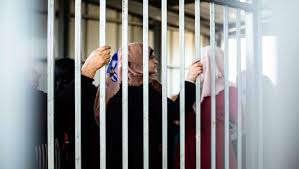
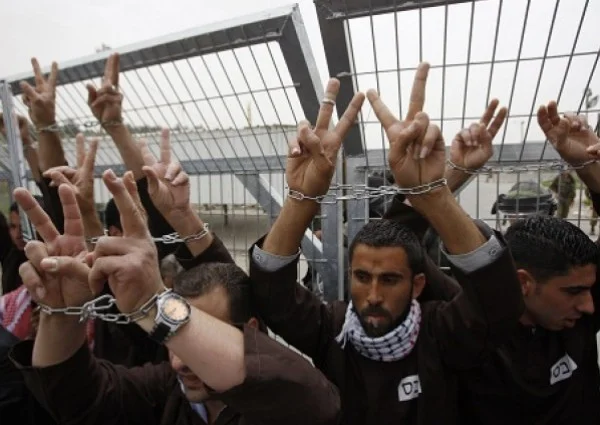
His words echo through the homes of 1,615 Palestinian political prisoners whose salaries have been cut off, leaving their families unable to afford the legal fees needed to visit them in Israeli prisons.
Systematic Economic Persecution
The Committee of Prisoners’ Families confirms that 1,615 political prisoners have had their salaries terminated. These payments—which went directly toward securing prison visits and supporting families left without breadwinners—have been suspended in what the Prisoners’ Media Office calls “systematic economic persecution.”
Since October 7, with family visits prohibited, attorneys have become the only communication channel between prisoners and their relatives. But lawyers now charge up to 2,000 shekels ($500) for a single prison visit. Visits to remote facilities like Nafha and Ramon cost even more, while fees for Negev and Megiddo prisons average 800 shekels.
Families search desperately on social media for affordable attorneys. Most lawyers no longer follow established fee schedules, and families whose sole income was the prisoner’s salary find themselves priced out entirely.
Prominent Leaders Targeted
The salary cuts have particularly targeted symbols of the prisoner movement. Abbas al-Sayyed from Tulkarem, sentenced to 35 life terms since 2002, has had his family’s sustenance cut off. Bilal al-Barghouthi from Beit Rima, serving 17 life terms, faces the same punishment.
Muhammad Zakaria Hamami, 45, from Nablus, is serving three life sentences. Unmarried, his family must now find other means to pay attorney fees for visits and case follow-up—expenses his salary previously covered.
Akram Ibrahim al-Qawasmi, 51, from Jerusalem, sentenced to two life terms, has also lost his salary. “This measure has robbed us of a legitimate right just as his freedom was stolen,” his family says.
Sheikh Bassam al-Saadi and his son Yahya from Jenin refugee camp face a triple blow: their family has been displaced after the camp’s invasion, both father and son are detained, and their salaries that might have eased these hardships have been terminated.
Multiple Generations Behind Bars
Some families have multiple members in prison, compounding their crisis. Jamal Abu al-Heija, 66, from Jenin, is serving nine life sentences plus twenty years. His salary has been cut, as have those of his detained sons Abd al-Salam, Asim, and Banan. Their family endures displacement, detention, and now economic deprivation.
The Rajoub family from Dura exemplifies this multigenerational imprisonment. Sheikh Rizq Abdullah Rajoub, 65, is in his 31st year of detention across 13 arrests. Currently in administrative detention since June 12, 2023, he suffered head beatings that caused temporary memory loss. His retirement salary has been cut.
His sons Muhammad, 19, and Ahmad, 35, are also in administrative detention—Ahmad for two years, Muhammad for one year. Both have had their salaries terminated. Ahmad’s salary has been suspended for over four months; Muhammad has never received any salary at all. Both men have families and children of their own.
Muhammad refuses attorney visits because he is beaten each time. The Rajoub women are left without any provider or support.
A Question of Rights, Not Charity
For many families, the prisoner’s salary was their only income source. In households where the imprisoned father or brother was the primary provider, this modest payment sustained entire families.
“These families neither seek charity nor request pity—they demand their rights,” notes the Prisoners’ Media Office. The organization calls on officials to fulfill their responsibilities and end what they term “deliberate strangulation” of prisoners’ livelihoods.
The salary cuts affect not just daily survival but the fundamental ability to maintain contact with imprisoned loved ones. Without funds for attorney visits, families lose their only remaining connection to relatives who have already spent decades behind bars.
As Shukair’s anthem continues to reverberate—”What a shame… you, son of my homeland, kill my children”—the question remains: Is anyone listening?